



‘Less presents, more presence’ is a quote that sums up Christmas for Kate Jones. It’s one she posted some years ago to her close to a quarter of a million followers on her my_plastic_free_home Instagram page, where she shares tips on simple ways to live more sustainably for several years.
It all started when Kate had her little girl Etta (7), and she started thinking about our impact on the world and what she could do to reduce her use of plastic and waste.
“I feel like I was faced with a situation where I had so many things for her and she created so much waste – like this tiny little human. It really just got me thinking about our impact on the world and what kind of one we’re leaving for her,” explains Kate.
The mother of two, who had previously worked as a treatment manager in a prison with young offenders, says this “mindset shift” is really about behavioural change.
“It [maternity leave] gave me the time and the brain space to think about all the changes I could make, and I really did it in small steps and built them up as I went along,” she says.
Positive changes
“It feels like a massive change if you’re in the habit of maybe doing a big supermarket shop and getting everything in one go because you’re so busy. But actually, if you just make one change at a time, you’ll be shocked at how quickly they add up.
“Soon you’ll just look around your house, and you’ll see how many changes you’ve made and how much better you feel about them.”
One of the first things Kate examined was her cleaning cupboard. “I was really influenced by cleaning products, and I had so many in my home. But then I just realised you only need two or three cleaning products. You know bicarb and soap mixed together makes a soap that cleans so much in your house.”
At the same time, Kate started documenting the steps she was taking on her Instagram page, sharing tips on everything including how to prepare an immunity tea, how to make a simple cleansing balm or clean your toilet without bleach.
She began building a community of like-minded people, which later led to opening her own outlet, The Natural Living Shop at Cedar Farm, a former pig farm in Mawdesley, Lancashire.
Now, she has turned her experience into a new book My Plastic-Free Home.
“At a time where climate news can make us all feel overwhelmed and anxious, I hope that this book feels like a reassuring hug,” the author says in her introduction. “There are so many things that we can do as individuals to make little positive changes in the world.”
Climate change is back in focus with the COP30 conference taking place this week in Brazil, with 190 countries in talks in a bid to make progress on tackling the issue.
Kate believes that much of what she is doing is really about returning to the old traditional practices.
“I would say we got so excited about convenience with food, cleaning and everything in our home and we all loved it until we realised what it is was doing to us. Everyone is now trying to retreat to what is good for us and what’s less processed,” she muses.
In terms of Christmas, Kate tries to keep it simple. For her, it’s not about buying to feel special, the festive season is about making memories.
Kate’s top tips for a sustainable Christmas
1 Shop local
One really easy thing to do is to support your local shops and makers when buying your gifts. I think they are so much more personal and unique. Your community will benefit from local spending.
2 Gifting experiences
Think about gifts that show your friends and family that you want to spend time with them. It could be a concert, a class you can do together or even homemade vouchers for tasks, etc.
3 Second-hand gifts
Some are on board with second-hand gifts and absolutely love it, while others are unsure. However, there are so many things that you can buy second-hand, like toys, for one.
I bought a doll’s house for my daughter last year and it was absolutely beautiful. I know she will love it for years to come.
4 Reuse wrap
I read a statistic last year that 227,000 miles of wrapping paper is used in the UK each year at Christmas. So much of that wrapping paper can’t be recycled, so a really simple thing you can do is to just make sure you buy paper that can be recycled or even composted at home. You can make your own wrapping paper with brown paper and natural materials. I’ve used old maps that I found in charity shops as wrapping paper, and it gives a really luxurious feel.
Also, think about what you can reuse. My nana was the queen of reusing, she used to fold all the wrapping paper, decorations, ribbons up [to reuse the following year].
5 Christmas tree
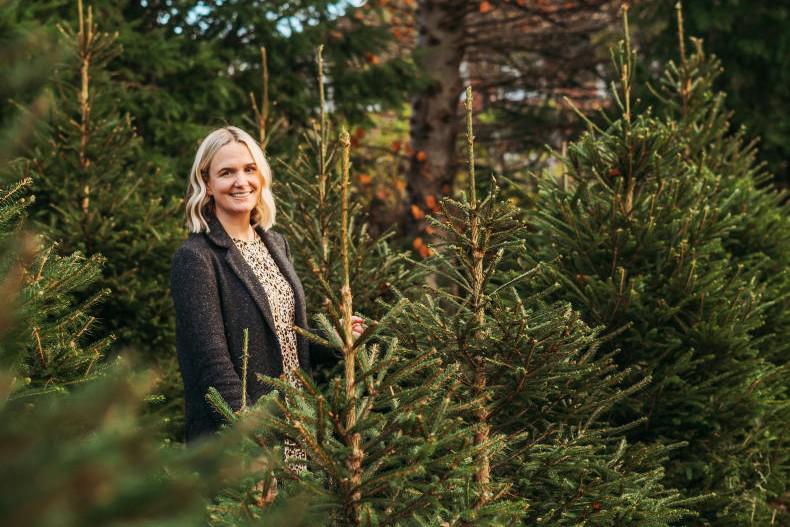
If you’re buying a real tree, buy it from a local farmer that grows trees. A lot are imported, so focus on buying them from someone growing them.
If you have a fake one, carry on using it. It’s more and more sustainable every year you use it. There are a lot of trees you can buy potted. After Christmas, you can put it in your garden and bring them back in year after year.
6 Food
It’s really easy to get carried away with food. If you’re just a bit savvy about it and plan your meals ahead of time, then you don’t get caught out by filling your fridge just in case. There will be much less food waste and you save money too.
When you’re ticking things off your list see how much you can buy from your local farmer or grocer because your food is going to be better quality, fresher and more sustainable.
Also think about using up your leftovers for something delicious like a pie or soup. Food scraps can be turned into stock.
7 Decor
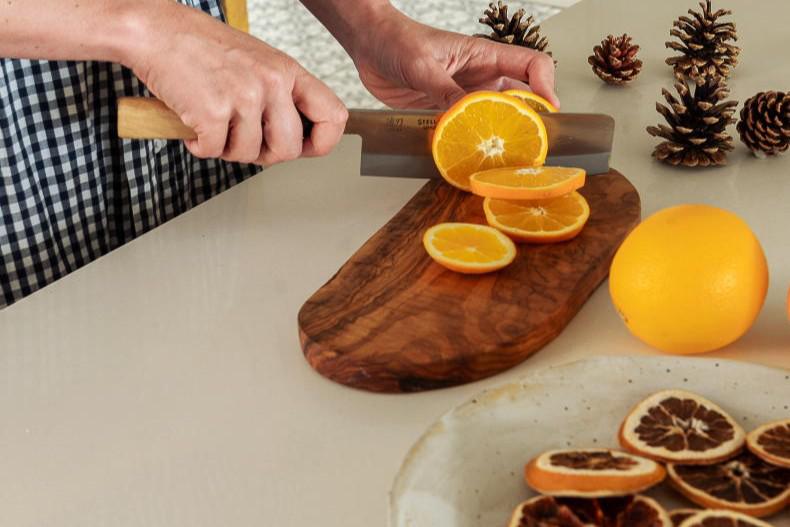
I love making my own Christmas decorations, and they are not difficult. One of my favourite things to do is to dry out oranges. You only need three or four large oranges which you then slice up. The majority of people have an air fryer and lots have a dehydrate button. You can also put them in your oven on the lowest temperature. Pop them in there and they turn into the most beautiful decorations for your tree or hang them in garlands. They are just so classy and so much nicer than plastic.
I have a recipe in the book to make your own dried clay out of cornflour and bicarbonate of soda. You can also dehydrate those and make all kinds of shapes like angels and stars.
8 Nordic stars
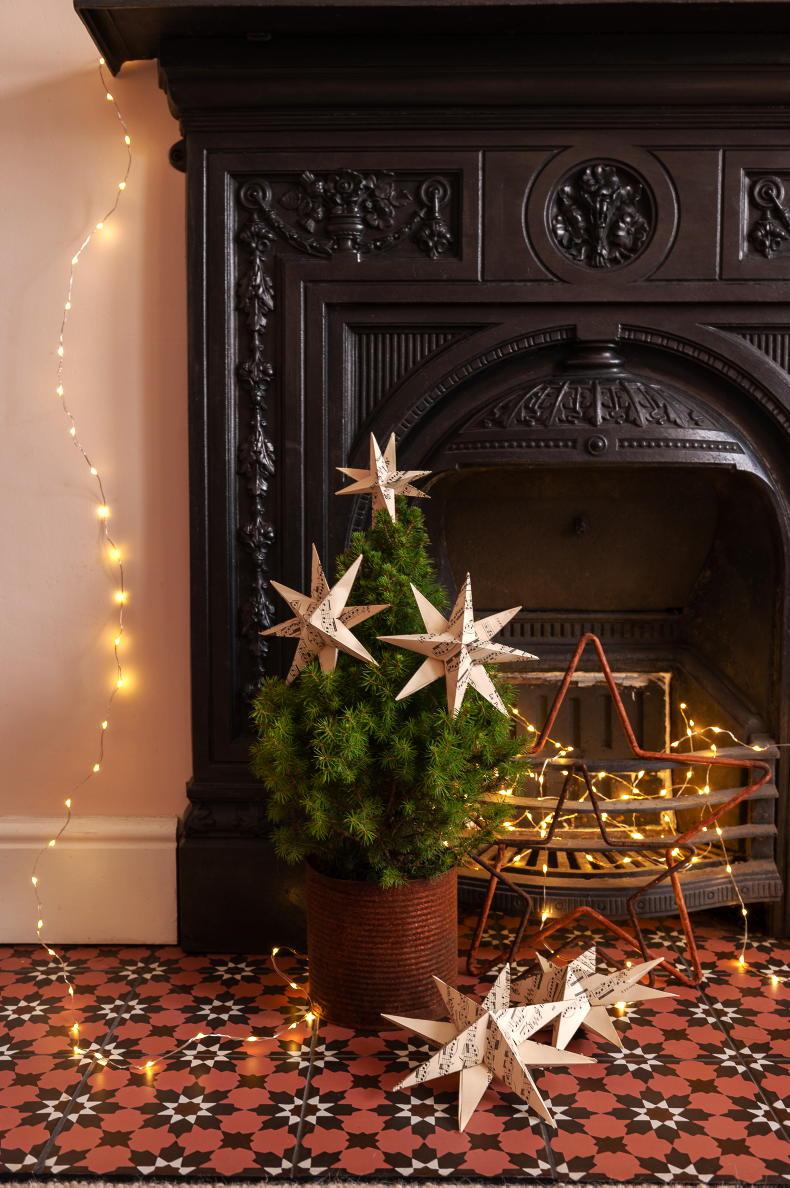
Another decoration I love is the paper Nordic stars. My daughter always asks me to make them with her. We use book or music pages and they’re really simple to make. The directions are in the book. We hang them from the ceiling and we often bring a branch into the house and hang them off that.
We’re always going out on woodland walks, picking up leaves and pine cones. It’s just so nice to find things in nature that you can bring into your home and use for décor.
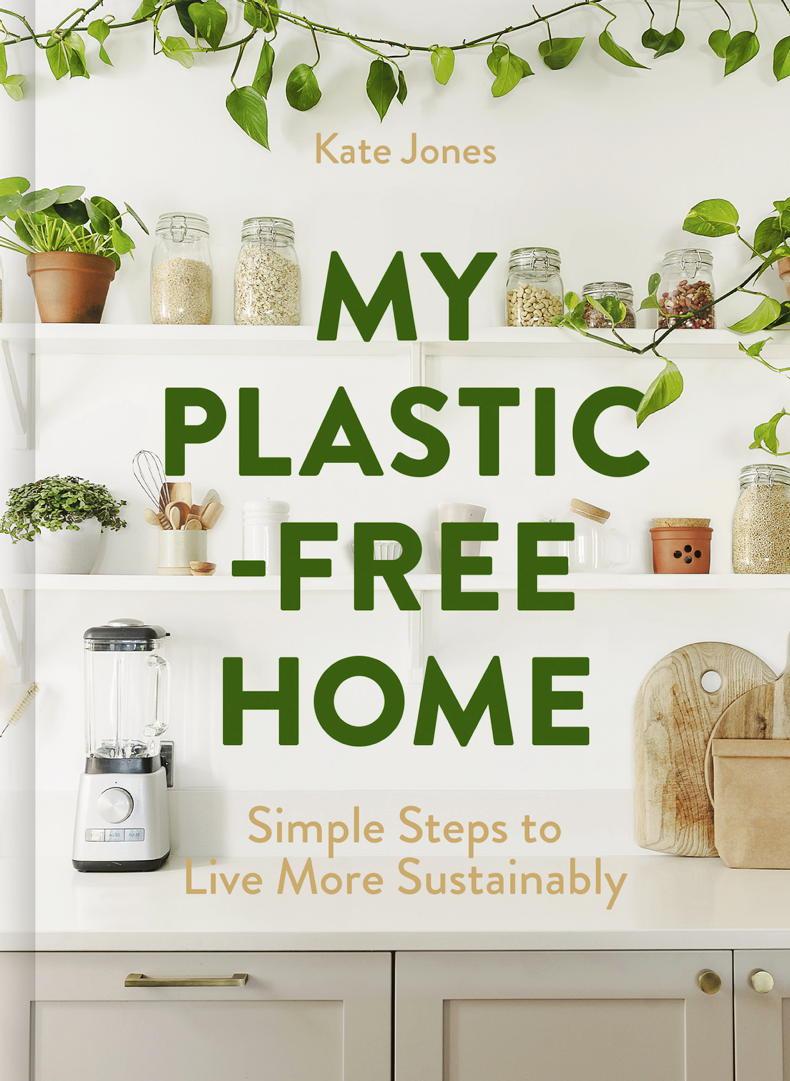
My Plastic-Free Home by Kate Jones is published by Harper Collins, €18.85.


SHARING OPTIONS