



Ireland has a wide range of wetlands, including ponds, turloughs, rivers and floodplains, many associated with low-intensity farming. On river floodplains, or callows, these traditional farming practices maintain a wealth of wildlife, while sustaining their farming value.
This first article focuses on the Shannon floodplains and the special relationship between farming and wildlife.
The River Shannon
Did you know that the flood-meadows that border the river Shannon between Athlone and Portumna are perhaps the most extensive of their kind in western Europe? They are known locally as callows, from the Irish caladh meaning river meadow.
The plants, insects and birds that live here benefit enormously from low-intensity farming of pastures and hay meadows.
The callows are of international importance in terms of wildlife, but unless support continues for the farming community there is a risk that they will be abandoned, resulting in the loss of both an important forage source and wildlife diversity.
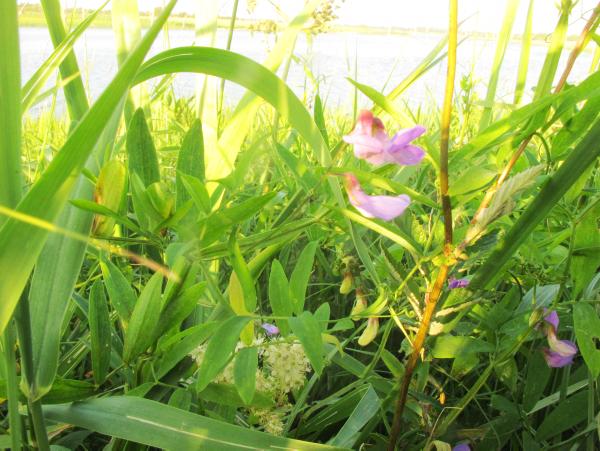
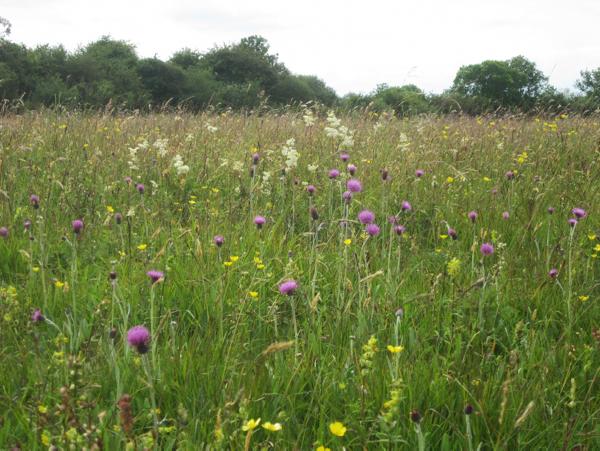
Hay meadows comprise about a quarter of the Shannon callows and are very rich in wildflowers which, when cut regularly, produce sweet-smelling, good-quality hay which cattle often prefer to upland hay (i.e. hay from areas above the floods).
Local farmers maintain that callow hay is especially good for cows in-calf.
The hay is traditionally cut in the summer. However, if spring was dry the hay will be cut early. If not, it may not be cut till late August or even September.
Each farmer owns a strip, often unfenced, and each strip is cut at a slightly different time depending on the farmer.
This variety in cutting times maintains wildlife diversity. Some farmers are involved in agri-environmental schemes where they are rewarded for managing meadows in a way that is friendly to ground-nesting birds.
In that case, the timing of cuts is regulated by those environmental schemes.
So how does traditional farming help wildlife? The most visible example are the Arctic-breeding birds which migrate here in winter. Thousands of whooper swans, wigeon, lapwing and golden plover congregate to feed and roost on these callows.
The bird that the Shannon callows are most famous for is the corncrake. Their numbers have declined in recent years, largely due to the series of very wet summers during which the Shannon flooded their nesting areas.
These wet summers not only affected the breeding birds, but also prevented hay cutting, depriving farmers of this important forage.
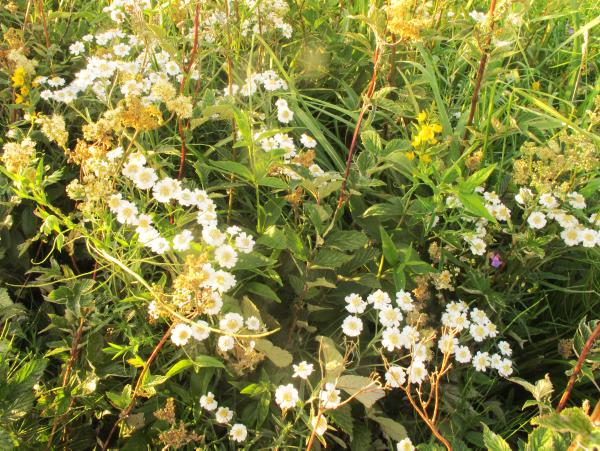
Up until last summer, some meadows were left uncut for as long as three years. In that time, taller, more vigorous plants have dominated the area, such as meadow-sweet, or agrimony as it is known locally.
This tall herb responds well to wet summers and lack of cutting can lead to it completely dominating the field. This reduces plant diversity and fodder quality.
Cutting hay annually removes tall, heavy plant material and maintains forage quality, as it enables a greater variety of plants to grow. Traditionally, little or no fertiliser is added (the river floods leave some nutrients) and, as fertiliser also encourages a few vigorous grasses its absence also allows plant diversity to thrive.
The resulting bright mosaic of flowers attracts insects, such as bees and hoverflies, that come for nectar or pollen and also pollinate the flowers. Bees and hoverflies are very important pollinators of crops such as fruit trees and rapeseed, but they also need to feed at times when these crops are not in flower.
The presence of areas as extensive as the Shannon callow hay meadows, full of flowers, is invaluable to keeping such insects alive throughout the summer. This is known as an ecosystem service – a grand term for something we took for granted until it, or the bees, started to disappear.
Currently, a research project being carried out by NUI Galway, in collaboration with Shannon farmers, is testing different cutting regimes to reduce the abundance of meadow-sweet, improve hay quality and restore the richness of meadow plant species.
This recent issue highlights how important traditional management, practised by farmers for generations, helps maintain this valuable wetland habitat.
With thanks to the Irish Ramsar Wetlands Committee.


SHARING OPTIONS