Mid-August usually finds me admiring our late summer borders at their colourful peak, but this year every stroll around the garden tells the impact of an exceptionally long dry spell. Moisture-loving shrubs, such as hydrangeas, are really struggling while many perennials have finished flowering weeks earlier than usual. Yet, difficult seasons also reveal the plants that truly earn their place, and this summer has highlighted those capable of taking prolonged heat and drought in their stride.
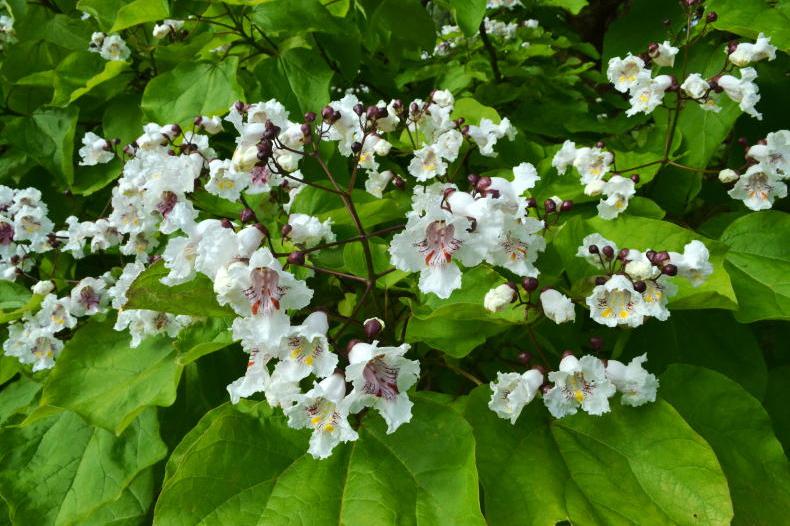
A pleasant surprise has been our Indian bean tree, Catalpa bignonioides. Its showy, white flowers have been remarkable this year, far better than I can remember in recent seasons. The prolonged warmth seems to have suited it perfectly, and whenever I walk beneath its canopy of broad, heart-shaped leaves, I find myself looking up to admire the large panicles of blossom.
The roses have also been extraordinarily generous, producing flush after flush of flowers with regular deadheading. Individual blooms haven’t lasted as long in the intense heat, but the dry weather has brought an unexpected bonus.
With so little rain, black spot disease, which thrives in damp conditions, has been far less troublesome, leaving many bushes with cleaner, healthier foliage than they would normally carry by August. Every gardening season brings its own balance of advantages and disappointments.
Native to South Africa, agapanthus have revelled in the sunshine. Their elegant, blue flower heads rise proudly above the borders, unfazed by weeks of dry weather, providing a welcome splash of cool colour. Elsewhere, echinaceas, salvias, achilleas, agastache and drifts of Verbena bonariensis continue to bloom and attract a steady stream of bees.
Impressively fresh
Another plant that has positively relished the conditions is Acanthus mollis. Its bold, architectural leaves have remained impressively fresh, while the tall, stately flower spikes continue to provide strong, vertical interest. Once established, its deep roots allow it to cope well with prolonged drought. Equally dependable is Hylotelephium × mottramianum ‘Herbstfreude’ (formerly Sedum ‘Autumn Joy’). Its fleshy, succulent leaves store moisture, allowing it to thrive through long dry spells, while the developing flower heads promise another fine display as they gradually change from green to soft pink and finally to rich autumn tones. Other succulents, including sempervivums, echeverias, aloes and aeoniums, are equally drought tolerant, although these are better suited to containers as they need winter protection from frost.
Sea hollies Eryngium have also excelled, their spiky, metallic-blue flower heads looking perfectly at home in hot, sunny borders and gravel gardens. Although the blooms have faded a little sooner than usual, their striking seedheads will continue to provide interest through the months ahead. The same is true of globe thistle, Echinops ritro whose distinctive, blue flower heads opened earlier than normal and attracted plenty of pollinators before making way for the next wave of late-summer stars. Both are excellent choices for coping with heat and poor soils.
Another plant that has quietly proved its worth is Hypericum x hidcoteense ‘Hidcote’. While many other shrubs have wilted under moisture stress or shortened their flowering season, it has carried on regardless, producing cheerful, golden-yellow flowers against fresh green foliage.
Reliable plants such as this are often overlooked when designing a garden, but challenging summers remind us just how valuable they are.
Native to Mediterranean climates, lavender has also shrugged off the drought, reliably producing its familiar fragrant, purple flowers that are loved by bees and butterflies. Its narrow, silvery foliage is specifically adapted to reflect intense sunlight and reduce water loss.
In fact, plants with grey or softly hairy leaves are often among the best performers in hot, dry conditions.
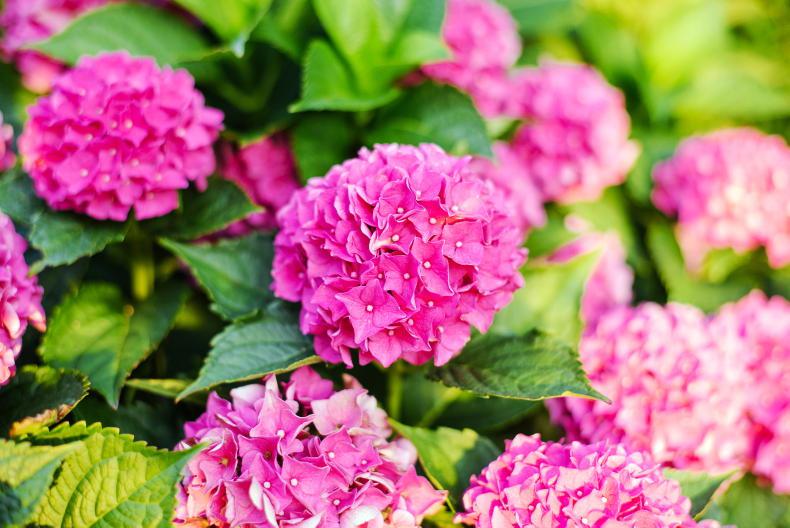
My hydrangea has plenty of leaves but no flowers. Why is this? – Margaret Lalor.
One of the most common reasons hydrangeas fail to bloom is incorrect pruning. Depending on the type, hydrangeas bloom on either old wood (last season’s growth) or new wood (current season’s growth), so it’s important to know which type you have before pruning. Mophead (Hydrangea macrophylla) and mountain (H. serrata) hydrangeas flower on old wood. On established plants, remove about one third of the oldest stems at the base in spring to encourage new growth. Shorten the remaining stems only to the first pair of strong buds below the faded flower heads. Panicle hydrangeas (H. paniculata) and cultivars of H. arborescens, such as ‘Annabelle’, flower on the current season’s growth and can be pruned more heavily.
Deadheading: continue deadheading dahlias, roses, cosmos and other repeat-flowering plants to encourage fresh flowers and keep borders looking their best well into September.
Water wisely: with the hosepipe ban still in place, water wisely using a watering can and prioritise giving a thorough soak to containers, newly planted shrubs and young trees.
Seed: as flowers begin to fade, choose a dry day to gather seed from favourite plants and reliable performers, such as poppies, aquilegias and foxgloves. Store the seed in labelled paper envelopes for sowing next spring.
Birds: keep bird baths and shallow dishes of fresh water topped up.
Do you have a gardening question? Email icl@farmersjournal.ie; post Irish Country Living, Irish Farm Centre, Bluebell, Dublin 12.
Mary Keenan and Ross Doyle run Gash Gardens, Co Laois. See gashgardens.ie