



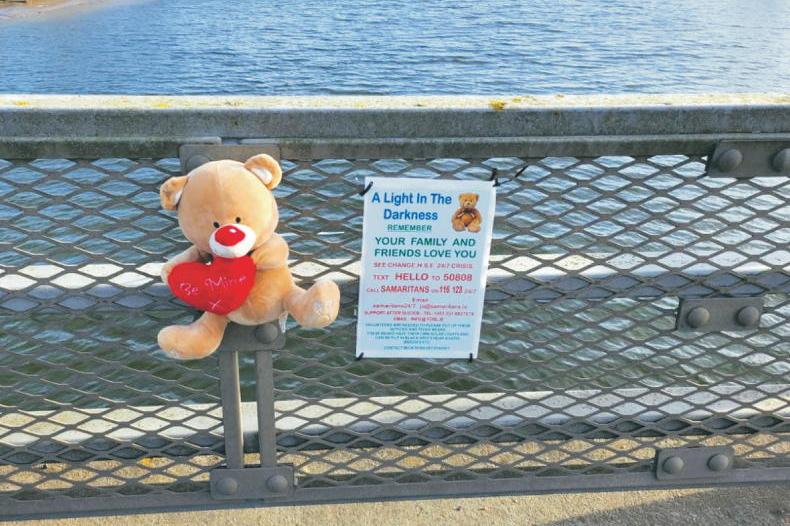
Mick Ryan probably never expected to spend his retirement surrounded by teddy bears, but that’s where he finds himself now, in his home in Bunclody, Co Wexford.
The retired Dubliner, born and reared in the Liberties, is behind a suicide-prevention initiative that places teddy bears and signs displaying helpline information in public places around Ireland.
He receives bags of donated bears from strangers and takes calls from people keen to help with an idea that began with one teddy bear, one solar light and one sign on a bridge in Carlow.
“I just went ahead and put it up,” Mick says of that first sign around nine years ago. He admits his wife Annie was more worried about what the council or Gardaí might make of it, but within a week photographs of the installations were flooding Facebook and the Gardaí were extremely supportive.
Losing his son
It was an idea that grew out of the loss of the couple’s son Sean Paul, who died by suicide 23 years ago.
Several years after Sean Paul’s death, Mick began wondering whether his family’s experience could somehow help prevent another family suffering from a similar loss.
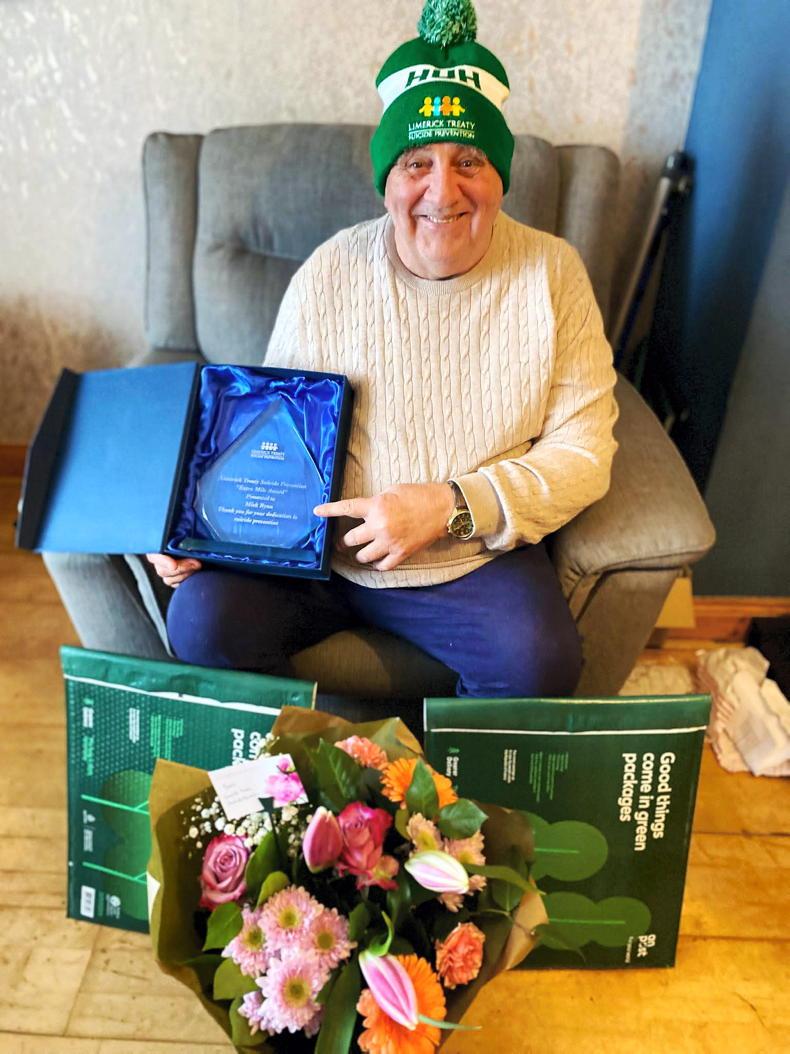
“I just thought of this teddy bear idea and figured, maybe I can help somebody else and stop other people going through the horrendous pain of losing a loved one through suicide.”
The teddy bear was a natural choice. He believes something familiar from childhood might provide a moment of connection and comfort for a person in the midst of a crisis.
“Everybody had a little cuddly toy as a kid growing up,” he says.
He imagines someone walking alone, noticing a solar light glowing in the darkness and being drawn towards the teddy and, vitally, the helpline information.
“They’re all small little flicks in the brain,” he says. “They might just stop the person in their tracks for long enough to look for help.’’
Helping people
As the idea gathered traction, Mick figured that if it worked in Carlow, it would work all over the country. Today, the initiative has spread around Ireland, while Mick’s idea has also attracted attention and touched hearts far further afield.
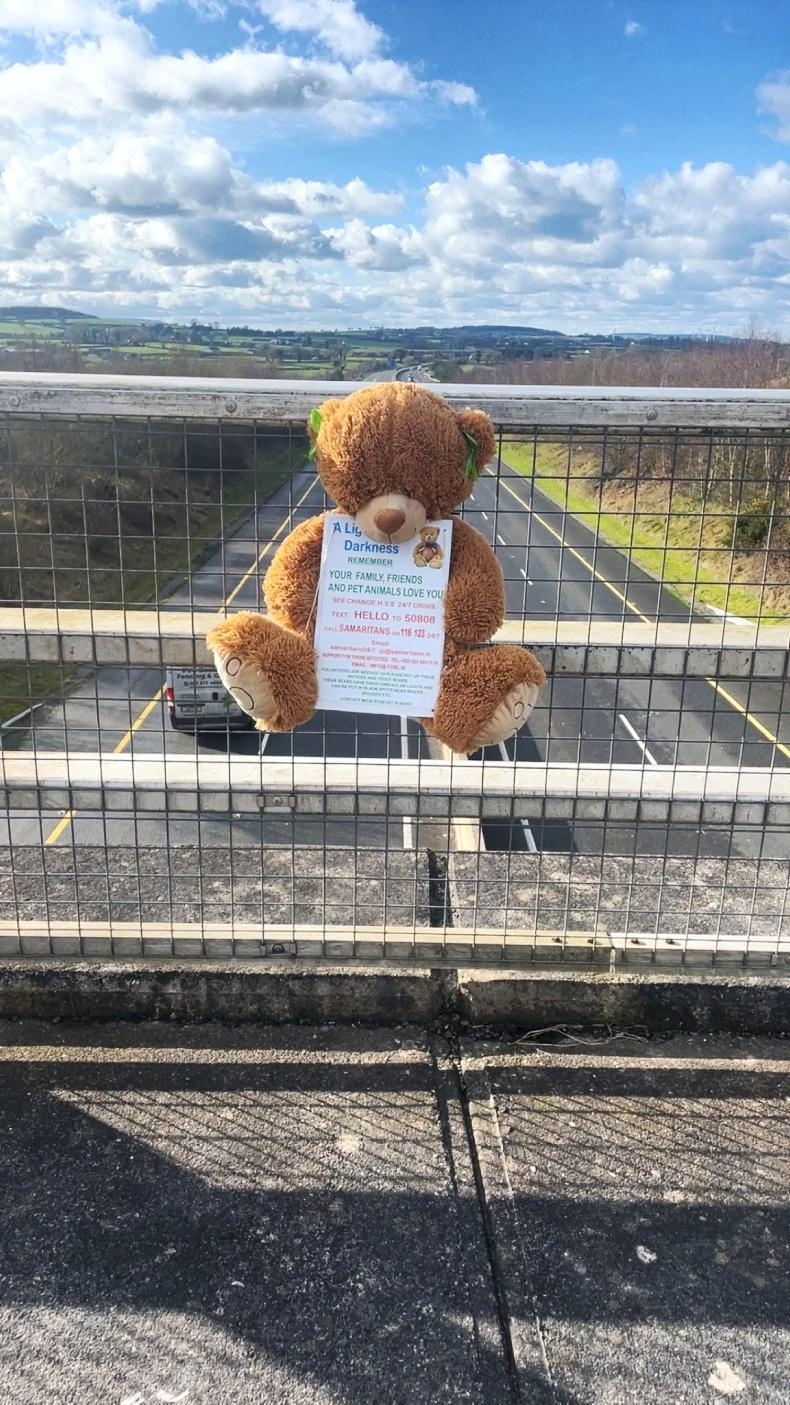
The bears are often donated by people clearing out attics or garages. Others contact Mick asking how they can place one in their own community. A printing company produces the signs free of charge, and Mick sends them to volunteers who display them in suitable places. He even suggests keeping them in the car until they spot somewhere suitable.
“When people are on holidays or shopping or whatever, they’ll see a spot and put one up,” he explains.
Locations include bridges, walkways, forests and parks. Mick covers the postage costs himself, from his weekly pension.
There is no major organisation behind the initiative, just people hearing about Mick’s work and finding ways to help.
All this effort is worth it, Mick says, when people tell him an installation has made a difference. He recalls receiving a call from the father of a young man who had been experiencing a suicidal episode. The father believed coming across one of the bears had helped his son at a crucial moment.
I just thought of this teddy bear idea and figured, maybe I can help somebody else and stop other people going through the horrendous pain of losing a loved one through suicide
“He said, ‘Thanks very much for saving my son’s life,’” Mick recalls.
Such conversations can be overwhelming for someone who has experienced suicide bereavement himself. Yet Mick says the project has become a way of remaining connected to Sean Paul.
“Look what he has me doing; he has me doing this,” he says, poignantly.
The initiative has reached across the seas. In Nebraska, a mother whose daughter, Aria, who died by suicide learned about Mick’s work and established A Ray of Hope, inspired by his idea. More than 60 bears have since been placed there, with interest emerging elsewhere in the US and UK.
Mick has also spoken by video call with students in Spain interested in adapting the initiative using their own language and local helpline information. He has no interest in claiming ownership of the concept. “It’s from my son,” he says.
Teddy Bears short film
At the heart of Teddy Bears is a simple message: that human connection can make all the difference. Dublin producer Yvonne Kinsella is helping bring Mick’s story to the screen, inspired by the quiet, life-changing impact of his work.
Yvonne recalls Ciara, a woman Mick met when she was struggling. He helped her access support and continued to check in on her afterwards. It is this kind of ongoing care, she says, that makes Mick’s work so powerful.
“Mick spends hours on the phone with people,” says Yvonne. “He doesn’t just point people in the direction of help and leave it at that. He makes that connection and follows up.”
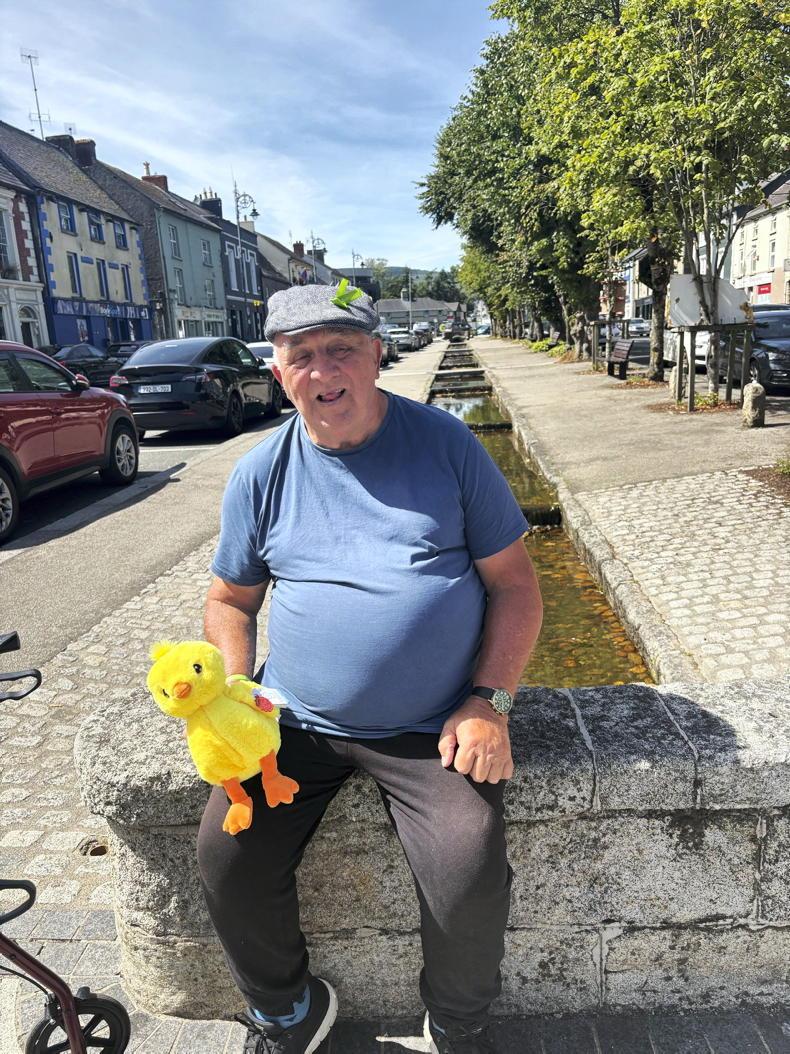
The film has already attracted notable support, with singer Imelda May recording a song for the production and An Post also backing the project. Fundraising, including a GoFundMe campaign, has brought the team a long way, but three scenes remain to be completed.
Now, the filmmakers are seeking 10 companies willing to contribute €1,000 each to help finish the film and bring it to festivals in 2027.
For Mick, however, the idea has never been about recognition. Retired now, he insists it is “just something he can do”.
“I’m not able to run. I’m not able to swim,” he says. But nine years after the first teddy bear appeared in Carlow, his simple idea continues to reach people across county and country borders. Each bear, accompanied by a light and information pointing people towards support, offers a reminder that someone cares.
As Mick tells Irish Country Living: “If you can save one life, job done.”
To donate towards Teddy Bears: A short film about mental health, see gofund.me/506453de6
See suicideorsurvive.ie


SHARING OPTIONS