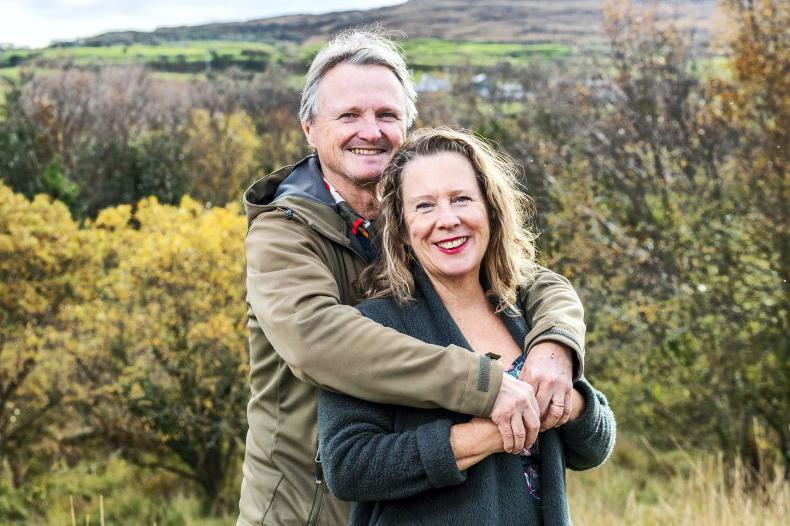
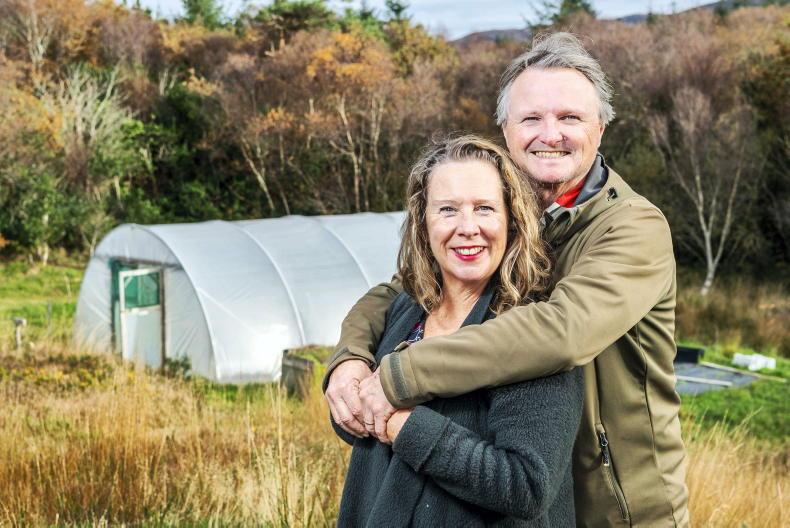
When Davy Millard took to the dance floor with his new bride Joanne Faulkner to the poignant melody and lyrics of Etta James’ At Last, it felt surreal and magical.
Davy, who had been diagnosed with Parkinson’s disease at 47, was challenged with tremors and involuntary shaking only somewhat contained through a cocktail of Parkinson’s medications taken up to six times a day.
But everything changed when he underwent pioneering brain surgery for the illness.
“I went from being obviously Parkinsonian to having almost no symptoms at all,” Davy says.
He underwent deep brain stimulation (DBS) at the London Spinal Clinic through the HSE after being on a waiting list with the Mater for over two years.
The procedure involves placing electrodes in the brain to help control movement; he describes the difference after the operation as being like ‘day and night’.
According to Parkinson’s Ireland, the disease is a progressive neurological condition in which nerve cells responsible for producing dopamine gradually deteriorate. Dopamine helps control movement, and its depletion can cause tremors, stiffness and slowness, as well as less visible symptoms affecting sleep, digestion and mood.
In what had been a particularly difficult period of time for Davy – he had been through a divorce and his dad was diagnosed with dementia; he found himself in physiotherapy after a motorbike crash. While there his therapist noticed a persistently twitching finger and this red flag led to him being referred to a neurologist.
“Up until then I had been a really fit and healthy guy,” says Davy who lives in Castletownbere, west Cork. “There is no way any doctor would have looked at me and said I had Parkinson’s. But this waggling middle finger was a concern, so I was sent to a neurologist who took one look at it and was able to diagnose me with early-onset Parkinson’s. He was 100% certain.”
Diagnosed in 2016, Davy was put on a range of medications including Sinemet, which combines levodopa and carbidopa to help replace depleted dopamine in the brain.
“I struggled to come to terms with it at first. I thought it was something I could beat. The change in circumstances is stark. I felt I couldn’t rely on my body which I was so used to,” he says.
Difficult time
Davy had been in the Coast Guard rescue service, which included climbing mountains, scaling cliffs and taking students out on trips.
“I suddenly felt I couldn’t do those things anymore, but now 10 or 11 years later, I’m regaining a bit of strength – and confidence. Strength of purpose.”
He looks back at the time as extremely difficult.
“My dad was my rock, and then he was diagnosed with dementia, I was going through a divorce, I just felt I was losing everything.”
The paradox is that Davy kept being told not to get stressed when clearly going through extraordinarily stressful circumstances. The best advice he received, he recalls, was to allow himself to feel stressed.
As for additional, unseen elements of Parkinson’s (of which there are many), Davy describes the insomnia he suffered initially as the most brutal. “I was hospitalised with insomnia, I was panicking. There was a two-month period where I might have slept for half an hour. It really affects you mentally, but now I’m sleeping seven, or eight hours a night.”
When he first heard about DBS, he thought it sounded frightening.
“They essentially drill two holes into your head and insert electrodes to the base of your brain. When you hear that, it sounds completely nuts. People were cautioning me – you can have a stroke or a bleed to the brain, but for me – I felt I had no choice but to try it.”
Davy was on the waiting list for the procedure when he met Joanne in a field in Tipperary. Joanne, originally from Liverpool, had settled in Ireland many years earlier after a period living in Spain.
\ Andy Gibson.
Davy, who is from Sutton in Surrey, had come to Ireland to study aquaculture and pursue his love of mountain climbing. They began dating and really enjoying themselves.
They planned to marry in August 2023 and with just a month to go before the wedding, he got the call for the operation and they decided to go ahead with it.
Joanne chimes in to tell Irish Country Living: “There is one aspect post-DBS which affected Davy and our relationship – his voice has weakened. It’s actually reduced the volume of his voice, and that’s like a known side effect. That’s because where the electrode is placed is next to the tremor centre, it’s also right next to the speech centre.
“So we do struggle sometimes because we’ll try and talk to each other from different rooms, as you do. But actually, we kind of have to be in the same room. As his partner and carer I have to be looking at him during conversations.”
Surgery and treatment
Davy underwent DBS in 2023 and the treatment has continued to evolve in the intervening years. Consultant neurologist Professor Richard Walsh of the Mater Hospital explains that speech difficulties can sometimes be managed by adjusting the stimulation settings, rather than patients having to accept them as the price of improved movement.
Davy complements the positive effects of DBS with Qi Gong – a mindful movement practice that Joanne, a teacher and shiatsu practitioner, leads. The couple practise every day, combining gentle movement, breathing and meditation.
They also place considerable emphasis on healthy eating and gut health, making their own kombucha and bread, eating probiotic foods and avoiding gluten, pork and alcohol. Davy has reduced the amount of medication he takes, in agreement with his neurological team, from six doses a day to three. This is the couple’s own holistic approach to living with the condition and reflects what works for them, rather than a recommendation for others.
Their experience has also inspired Joanne’s book, Find Your Flow: Live Well with Parkinson’s.
The couple have built a life together in Castletownbere, where they own land and grow vegetables.
Joanne explains: “Parkinson’s can shrink a person’s world, not only physically but socially, as work, friendships and confidence are all affected. Maintaining those connections is central to our approach to living with the disease.”
While Davy’s experience demonstrates just how transformative DBS can be, the treatment is not suitable for everyone.
Forefront of DBS
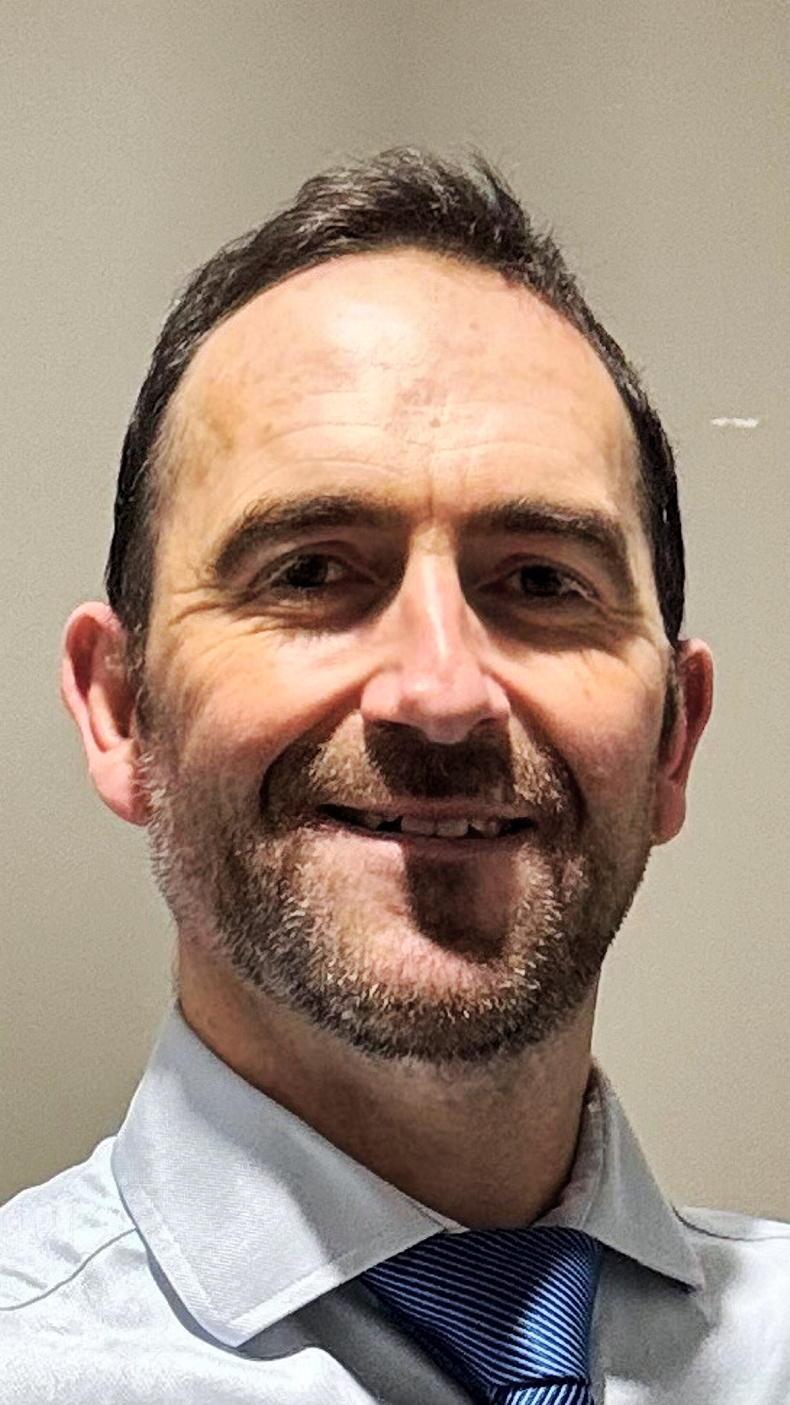
Prof Walsh, who has been at the forefront of DBS treatment in Ireland, explains that one of the greatest challenges for patients is the fluctuating effect of medication, particularly after several years of treatment.
“It can be kind of a feast or famine of movement,” he says.
Patients can go from being stiff, slow and shuffling to moving freely when their medication takes effect, only to find themselves struggling again as it wears off. Others experience dyskinesia, the involuntary wriggling or excessive movements associated with levodopa treatment.
“People would often tend to recognise that from Michael J Fox,” he says, referring to the Back to the Future actor who has lived with Parkinson’s for decades.
Far beyond tremors
Prof Walsh explains that DBS can smooth out these fluctuations by providing continuous electrical stimulation, usually alongside a reduced amount of medication.
“And a small amount of current from that battery has a drug-like effect, but unlike the drug, it doesn’t wax and wane. It’s constant.”
While Parkinson’s is predominantly associated with movement difficulties, Prof Walsh emphasises that the condition extends far beyond tremors and shuffling.
“Alongside that is a cognitive side to it – thinking difficulty, hallucinations, behavioural change. And there are lots of non-motor features like constipation, swallow difficulty, sexual dysfunction, blood pressure regulation difficulty, bladder dysfunction, and excessive sweating.”
“No two people have the same combination of symptoms,” he adds, cautioning against comparing one person’s experience of Parkinson’s with another’s.
Looking to the future, Prof Walsh believes the greatest breakthrough would be a treatment that slows or prevents the continuing loss of brain cells, rather than simply managing symptoms.
“They’re symptom treatments, but they don’t stop the loss of brain cells.”
He hopes that Ireland’s first trial of a neuroprotective drug for Parkinson’s will begin within the next 12 months, involving the Mater Hospital and Cork University Hospital.
While patients can be assessed for suitability for DBS relatively quickly at the Mater, accessing the surgery itself is another matter.
Prof Walsh says the waiting time for surgery at Beaumont Hospital, where the procedure is carried out, is more than two years. But, he says, “that two years is often enough for people to lose their suitability.”
For patients whose symptoms are progressing, it is a particularly cruel predicament. A treatment that could transform their quality of life may no longer be an option by the time surgery becomes available.
Find Your Flow: Live Well with Parkinson’s by Joanne Faulkner and David Millard (€15.99, plus p&p) available at joannefaulkner.ie.