



On 11 June, Kevin Scully, who owns and operates The Merry Mill (themerrymill.ie) in Co Laois, took to Instagram to express some serious frustration: “We’re after having an [EHO, or Environmental Health Officer] inspection and we were told we have to remove ‘gut health’ off the back of our packaging,” he said in the video post. “It’s not permitted to be on it because it’s a health claim… these are single origin, certified organic, gluten-free oats that we grow and mill here on our farm.”
In a separate post, he elaborated: “Over 50% of our customers are either coeliac or gluten intolerant, which is a gut health issue, and we are providing a product which is compatible with their digestive system.”
Unfortunately, under EU legislation, ‘gut health’ is considered a general, non-specific health claim and, on its own, is not permitted to be used on food labels. This legislation is enforced by the Food Safety Authority of Ireland (FSAI) and checked through HSE EHO inspections of food businesses. Other examples of general, non-specific claims include ‘immune support’, ‘heart health’ or ‘energy support’.
The issue small producers have with this is the fact that supermarkets are already full of products making such claims on their labels. These are generally from larger, corporate brands selling yogurts or breakfast cereals.

These larger brands have marketing and legal teams who understand the legislation well enough to provide correct wording and connecting information on labels. For many smaller producers, reading through pages of legislation and understanding legal jargon is not something they have the time or experience to do, which can lead to costly mistakes.
Why it matters
A key consumer trend within food and drink is around health and ‘functional’ foods. An increasing number of Irish consumers live with chronic health conditions like coeliac disease, irritable bowel syndrome (IBS) or Crohn’s disease and choose foods they can easily digest. Others are aware of the benefits of eating so-called ‘gut friendly’ items, like foods naturally high in fibre, or containing good gut bacteria.
However, consumers are also busier than ever before. When they shop, they are not always reading labels in detail. This is why having a quick phrase like ‘gut health’ is handy for brands to help spread their messaging.
“It’s been very frustrating,” Kevin says. “At the moment, one distributor has a big purchase order, but we can’t fill it because we don’t have the pouches. We need a six-week lead to get another order of pouches. This is a huge cost on us: loss of sales, we have to pay our designer, we need to get new plates for the printing company. We’re the only Irish oats company certified as gluten-free and organic, the gut health space is where we are working every day.”
Having to absorb these extra costs has been difficult, but Kevin says the lack of support and timely advice on what they can actually have on their labels has been worse.
“We were given two weeks to sort this out, but it took a week [for them] to come back to us when we asked if we could use ‘gut friendly’. They said no, and they aren’t offering any recommendations. It’s so difficult to know what is allowed and what isn’t.”
Health versus nutrition claim
There is a difference between a nutrition claim and a health claim on food labels. A nutrition claim lets consumers know what is in their product (ie: iron or Vitamin B12), while a health claim tells consumers what a product can do for their body (ie: improves gut health). There are 30 types of permitted nutrition claims under EU legislation, but your product must meet precise criteria for these claims to be used.
Meanwhile, there are currently 260 permitted health claims under EU legislation. This number changes as new claims are approved or existing claims are revoked. To be allowed on labels, there are strict rules which need to be followed and these are often misunderstood or misinterpreted. For example, if a smoothie uses the claim ‘supports immunity’, it must also include a specific authorised health claim like ‘vitamin C contributes to the normal function of the immune system’ (and, of course, the product must contain the correct amount of vitamin C to support that claim).
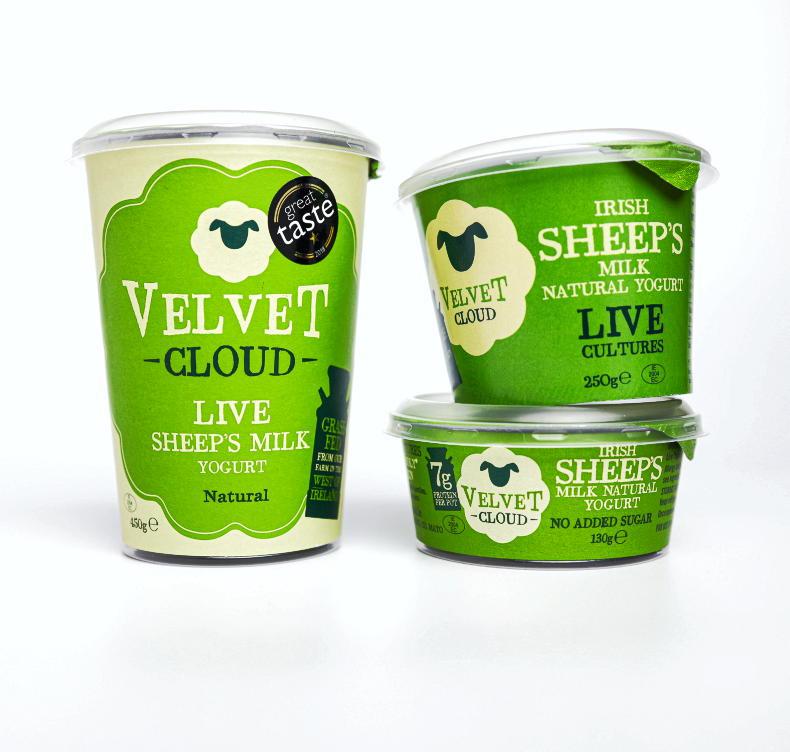
Velvet Cloud, Mayo
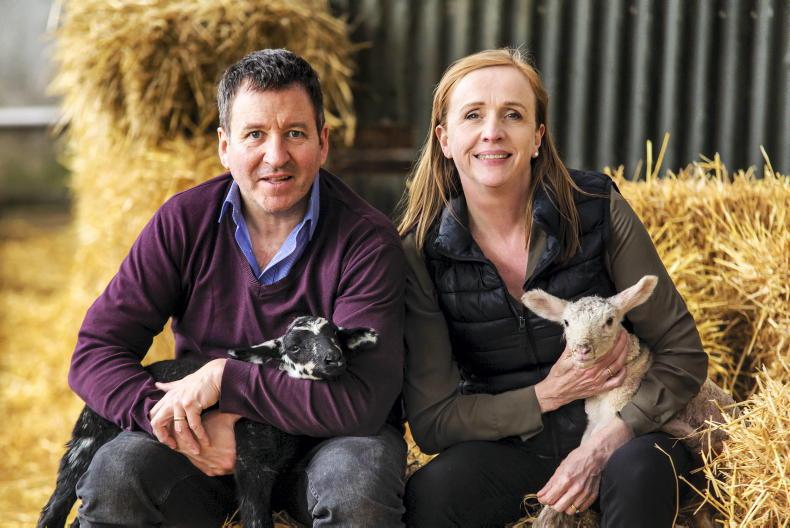
Over in Co Mayo, Aisling Flanagan, who makes Velvet Cloud (velvetcloud.ie) sheep’s milk yogurt and cheese with her husband, Michael, has been through a similar situation. Sheep’s milk contains unique proteins which can make it easier to digest, especially for many who are sensitive to cow dairy.
“We’re only in business 10 years, but we’ve had two incidents over the years,” she recalls. “First, eight years ago, we were told to take ‘gluten-free’ off our packaging because we were told no yogurt contains gluten. The second time, we were told to take ‘digestion friendly’ off, because it’s an unsubstantiated health claim. I’ve been keeping an eye on things after all of this and have been getting private messages from [other] small food businesses who are afraid to make a fuss. This is an area where guidance and support is needed.”
At the moment, one distributor has a big purchase order, but we can’t fill it because we don’t have the pouches. We need a six-week lead to get another order of pouches
Despite these past incidences, Aisling feels that Ireland is one of the best countries in the world to be a food producer and does not think the Government or FSAI is “out to get” small businesses in any way.
“European legislation around health claims, nutrition and ingredients on labels is complex and detailed and it is up to the business to comply,” she explains. “On their website, the FSAI says it doesn’t offer an advisory service, and most small food businesses don’t have legal or marketing teams to assist in this area. It’s a challenging playing field; we often end up paying for it and the larger brands are able to keep the wording on their labels. That’s life. These laws are very strict, but are in place to help the consumer.”
FSAI response
The FSAI provides detailed information around what is and is not allowed on food labels in accordance with EU legislation, but, as Aisling says, does not as of yet offer a support service for small food producers. While information regarding health claims is widely accessible, it is also incredibly difficult to understand.
“When reference is made to general, non-specific benefits of a nutrient or food for overall good health, ie ‘gut health’ or ‘immune support’, it must be accompanied by a specific and related, authorised article 13 or 14 health claim from the EU register of health claims and meet the conditions of use,” an FSAI representative tells Irish Country Living. “The authorised claim must appear in the vicinity of, or after, the general non-specific claim or be linked with an asterisk.
“These rules are in place to ensure that consumers receive clear, accurate and evidence-based information, and to support fair and consistent practices across the food sector.”
The FSAI representative says it has launched a new e-module on nutrition and health claim legislation which is available on the FSAI Learning Portal (learningportal.fsai.ie). The module covers these regulations in detail and provides examples of labels in compliance with regulation.
The FSAI also recently held a public consultation (which ended on 30 June) seeking feedback from food producers on draft guidance intended to support food businesses in understanding and applying the requirements of Regulation (EC) No 1924/2006, specifically in relation to the use of general, non-specific health claims. So, while there is currently no specific body providing direct guidance to small producers, there will hopefully be a facility in the future.
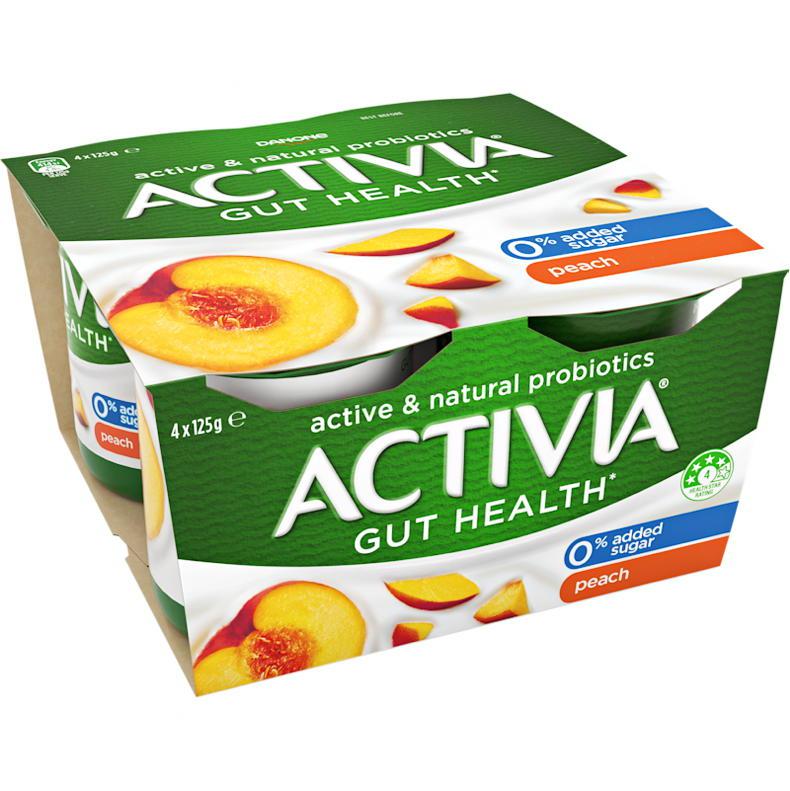
Some brands, for example Danone’s Activia yogurt, have ‘gut health’ (pictured) printed in large letters on their packaging. However, they comply with EU legislation by providing an accompanying approved claim and having an asterix at the end of ‘gut health” which connects the general claim to further information, in smaller print on the pack.
Under Regulation (EC) No 1924/2006, any general health claim placed on a food product must be directly linked to the specific authorised claim related to the specific nutrient or ingredient responsible for the stated health effect. In Activia’s case, the asterix directs consumers to an authorised claim linked to its calcium content: “calcium contributes to the normal function of digestive enzymes”.






SHARING OPTIONS