The news earlier this month that Justice Minister Jim O’Callaghan is bringing forward new proposals to “criminalise extreme violent pornography” was well-received by researchers, GPs and campaigners who have long expressed concern about the impact of pornography on young people in Ireland.
According to Dr Kate Dawson, a lecturer at University of Galway whose research focuses on sexual consent and sexual misconduct, most boys in Ireland have seen pornography by the age of 13, and 60% of boys see porn for the first time between the ages of 10 and 13.
Girls tend to be a bit older before they see porn for the first time. “The majority of girls see it for the first time between the ages of 14 and 17,” says Dr Dawson.
She says that accessibility is one of the main reasons why pornography use is high. Ireland is a wealthy country and people have easy access to digital devices.
“Most teenagers and pre-teens have their own devices. And, surprisingly, a lot of people actually don’t have restrictions on their children’s devices. They might have it on their phone, but maybe not on their laptop.
“I’ve done some research with parents, and I think that can be explained by the fact that a lot of parents just don’t think it’s going to be their child who will search for something like this.”
A child’s first engagement with porn is not necessarily on purpose, though, she adds. “It’s not as straightforward as somebody simply searching for something on their own device. A lot of the time you’ll find that somebody was shown something by their friend.”
Some sites, including social media platforms or gaming platforms, also feature links or pop-up videos of pornography.
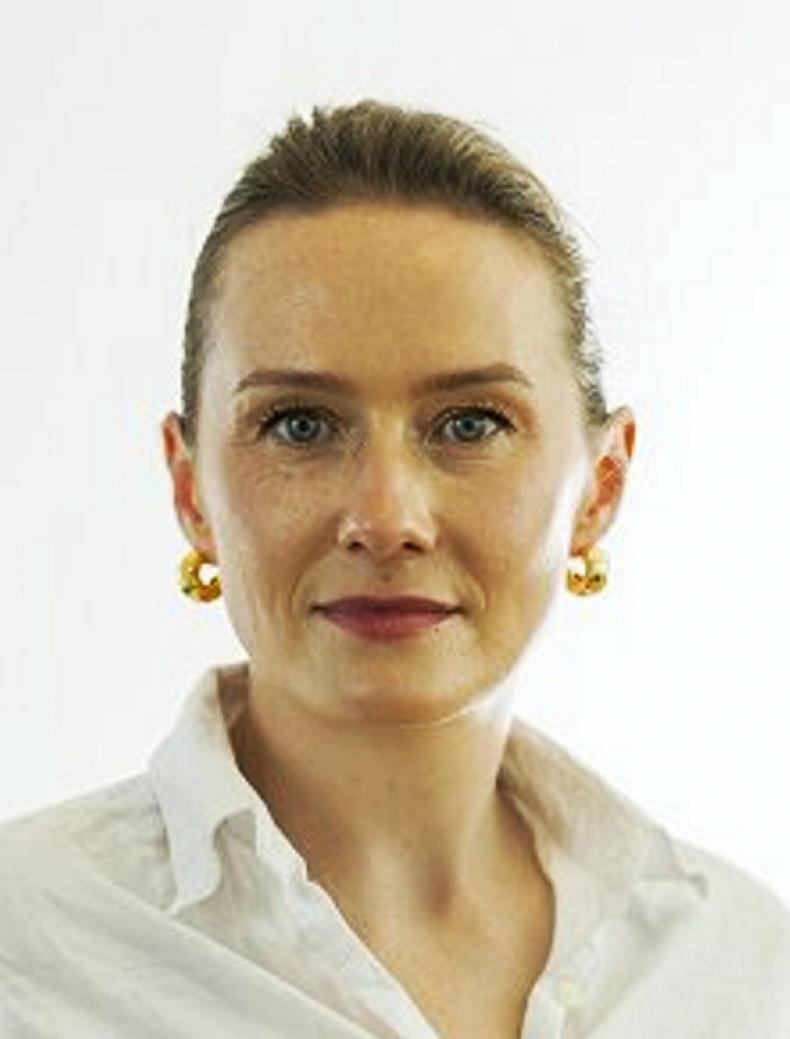
Dr Kate Dawson is a lecturer at University of Galway whose research focuses on sexual consent and sexual misconduct.
Sexual violence
Announcing his plans to outlaw extreme violent pornography, Minister O’Callaghan has specifically highlighted the use of knives and strangulation in online videos.
Ruth Breslin, the director of the Sexual Exploitation Research and Policy Institute, says that acts like strangulation are “becoming an increasingly normalised practice” in pornography.
“What we’ve seen with pornography over the years is, what was seen in sex as extremely niche and unusual about 20 years ago, is now entirely in the mainstream. Acts that were once not very common are now presented in pornography as being totally normal.
“What young people are telling us in our research is that, of course, they’re just teenagers and they’re curious about sex. The young people in our current research are in transition year, so they’re 15 and 16. They’re going online to figure out what sex is, and to learn about it.
“There’s a gender difference there, because the boys are telling us they’re going on to learn what to do to a girl during sex, and the girls are going to learn what to agree to let a boy do to them.”
However, Ruth says: “So much of the content isn’t sex, it’s sexual violence. It is influencing their sexual expectations. So boys would say ‘I have to be dominant and forceful and rough’ and girls would say ‘I have to be submissive and let him do what he wants’.
“That’s what we’re really concerned about, that pornography is shaping young people’s sexual expectations, and in turn shaping their sexual behaviour. It’s quite shocking what the young people are telling us they’re seeing and being exposed to.”
In her research, Ruth is working with medical practitioners who see young people “presenting with injuries, being involved in some kind of sexual behaviour that we suspect is very inspired by pornography. Things like strangulation or very forceful anal sex.”
One of these medics is rural GP, Madeleine Ní Dhálaigh, who speaks to Irish Country Living about some of the medical harms caused by pornography. Dr Ní Dhálaigh, who is also vice chair of the IMO GP committee, says that GPs across the country are seeing more injuries with regard to anal sex and strangulation.
The Roscommon GP says strangulation is “not safe to do under any circumstances” and explains that it can cause injuries like stroke, concussion, damage of the blood vessels and loss of consciousness.
“Anal injuries are a concern because pornography portrays rough, unprepared, condomless anal sex. It’s not OK for young men to initiate anal sex without proper consent and the use of condoms.”
Dr Ní Dhálaigh adds that, if approached incorrectly, this can be “extremely painful for the woman with the potential of damage to the area”.
“Female pelvic floors are very different to male pelvic floors, and so we are much more at risk of sphincter injury, incontinence, tearing.”
Dr Ní Dhálaigh says that, to date, sexual health consultations have focused on “avoiding an unplanned pregnancy and avoiding a sexually transmitted infection” but that the focus needs to shift to “safe sex in a much broader context, and through the lens of injuries, such as the danger of strangulation, the danger of unprepared anal penetrative intercourse, and consent.”
She welcomes Minister O’Callaghan’s proposed legislation as “really important” but adds that “it’s only part of the whole problem, we have to start talking about it [pornography] in medicine. We have to start talking about it in our gynae clinics, in our GP clinics, in our sexual health clinics, in our colorectal clinics.”
Dr Ní Dhálaigh also emphasises that pornography is not only having a harmful impact on young people, it is also linked to misogynistic attitudes and domestic violence among adults too.

Dr Madeleine Ní Dhálaigh is a GP in Castlerea, Co Roscommon.
Extreme violence
Ruth says that, at a State level, “there are so many things that can be done that, unfortunately, are not being done”.
“I don’t think the social media platforms are working hard enough to filter this kind of content,” she says. Ruth and her colleagues would like to see age verification on these platforms – “we spoke to a number of different experts internationally and in Ireland, and there was a general consensus that porn is now so violent that young people under 18 should not be exposed to it” – and Ruth is also “very much in favour” of Minister O’Callaghan’s proposals to outlaw extreme violent content.
There are some questions from experts on what qualifies as ‘extreme’ content.
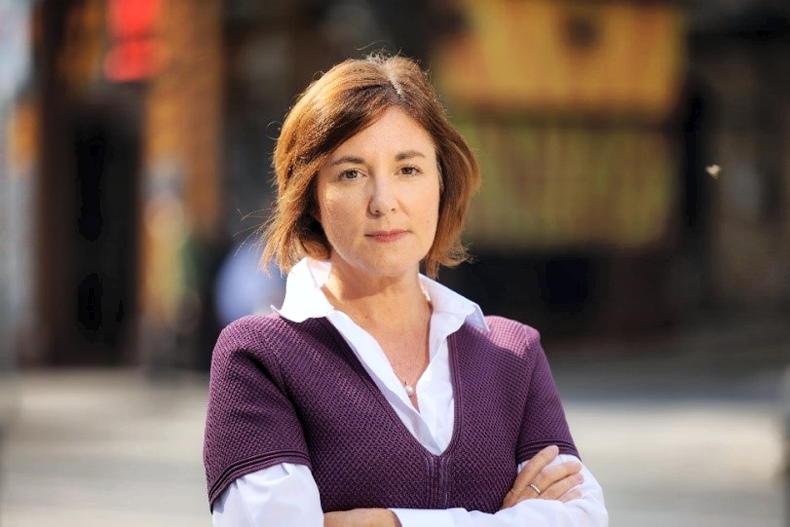
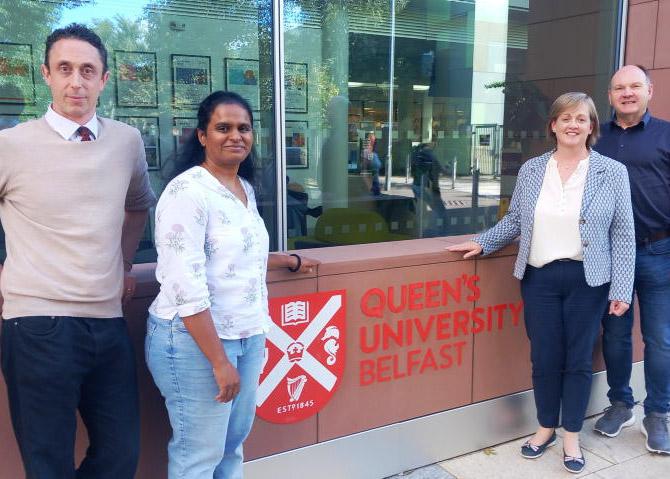
Ruth Breslin is the director of The Sexual Exploitation Research and Policy Institute.
The Department of Justice told Irish Country Living that: “the proposed offences will apply to pornographic material that is extreme or violent and contains: depictions of violence causing serious harm to a person and depictions of bestiality or necrophilia.”
In the last few years, concerns about pornography have amplified because deepfakes and AI have entered the conversation. A deepfake is an image, video or audio that has been edited or generated by AI.
The Department of Justice has said that, under the new proposed legislation, “the offences will apply to material that objectively would appear to depict behaviour in the real world, whether or not the material is computer-generated or otherwise altered”.
There’s a piece of European legislation that is pushing for a ban on nudification apps [the tools and technology used to nudify people] but we would really love to see that as part of our legislation here domestically
The new offences will complement existing offences related to intimate image abuse. In Ireland, it is a crime to share sexual imagery of someone without their consent under Coco’s Law. But Ruth points out that “it doesn’t seem clear that it’s a crime to create it”.
“There’s a piece of European legislation that is pushing for a ban on nudification apps [the tools and technology used to nudify people] but we would really love to see that as part of our legislation here domestically.”
When asked whether the benefits brought by a booming tech sector, including jobs and tax revenue, hold Ireland back from intervening more swiftly, Ruth responds: “I think it does make Ireland more wary of really clamping down, but I do think that some of the narrative coming from the Government does suggest that they want to get more serious, which is a positive thing.”
Porn literacy
From September 2027, a new curriculum that includes topics such as pornography and consent will become mandatory in secondary schools in Ireland. Students will not be asked to watch porn as part of this.
Dr Dawson says pornography should be discussed as part of sex education in schools to allow students to question the validity of the content, because porn can become a point of reference for young teens.
She also suggests parents introduce age-appropriate conversations about sex and healthy relationships before moving on to the topic of pornography. “Even if you’re uncomfortable with that idea, making sure that you’re not stigmatising it makes it easier for them to come to you if they have a question about it.”
Clarissa DiSantis is the education and training lead of the Active* Consent programme, which is based in the School of Psychology in the University of Galway. Active* Consent is a programme for sexual consent education and research which has been working with Irish young people, educators, and parents for over 14 years. They also do a tour of all of the Teagasc Colleges each year and deliver the Active* Consent workshop to students.
Consent (which is often undermined in porn) is a big part of those workshops, DiSantis explains, as well as understanding what ‘healthy’ looks like.
“Sometimes what we can see in educational approaches is that we only teach young people about sexual violence. We only say, ‘this is rape, this is assault, this is abuse’, but we don’t show them the alternative. We don’t show them what good looks like.
“Even in our workshops that we do with young people, if we’re talking about sexual violence, we’ll say: OK, so if this story doesn’t look like it’s consensual, what needs to be different?”
Across the board, experts say that in all circumstances, consent should be freely given.
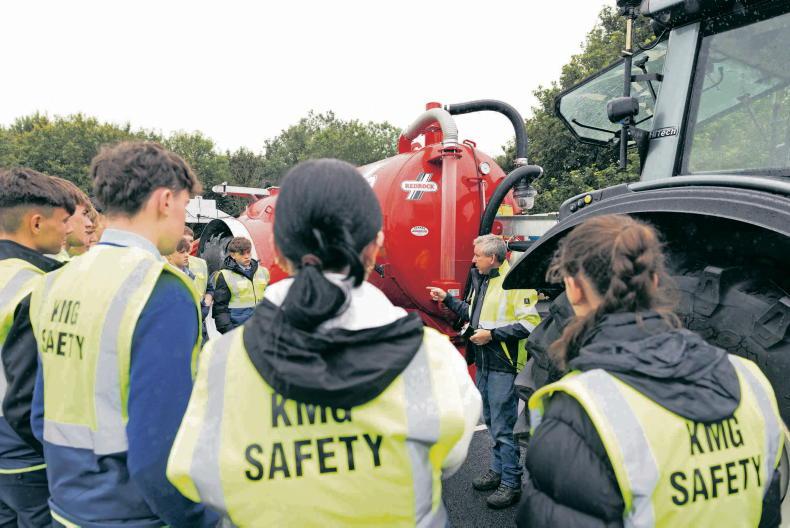
The Active* Consent programme offers training for parents, carers and guardians on how to talk to their teens about sex and pornography. See consenthub.ie/explore/parentsNine out of 10 mainstream porn scenes involve physical violence and 95% of that violence is perpetrated against women and girls, according to The Sexual Exploitation Research and Policy Institute. See serp.ie According to Dr Kate Dawson, about 70% of young men watch porn at least once a week and 13% of women watch it at least once a week. At least once a week is defined as a few times a day, daily or a few times per week.Minister Jim O’Callaghan wants to bring forward proposals to criminalise extreme violent pornography, and the Department of Justice told Irish Country Living: “The Minister intends to bring a memo to Government in the coming weeks.”
The news earlier this month that Justice Minister Jim O’Callaghan is bringing forward new proposals to “criminalise extreme violent pornography” was well-received by researchers, GPs and campaigners who have long expressed concern about the impact of pornography on young people in Ireland.
According to Dr Kate Dawson, a lecturer at University of Galway whose research focuses on sexual consent and sexual misconduct, most boys in Ireland have seen pornography by the age of 13, and 60% of boys see porn for the first time between the ages of 10 and 13.
Girls tend to be a bit older before they see porn for the first time. “The majority of girls see it for the first time between the ages of 14 and 17,” says Dr Dawson.
She says that accessibility is one of the main reasons why pornography use is high. Ireland is a wealthy country and people have easy access to digital devices.
“Most teenagers and pre-teens have their own devices. And, surprisingly, a lot of people actually don’t have restrictions on their children’s devices. They might have it on their phone, but maybe not on their laptop.
“I’ve done some research with parents, and I think that can be explained by the fact that a lot of parents just don’t think it’s going to be their child who will search for something like this.”
A child’s first engagement with porn is not necessarily on purpose, though, she adds. “It’s not as straightforward as somebody simply searching for something on their own device. A lot of the time you’ll find that somebody was shown something by their friend.”
Some sites, including social media platforms or gaming platforms, also feature links or pop-up videos of pornography.

Dr Kate Dawson is a lecturer at University of Galway whose research focuses on sexual consent and sexual misconduct.
Sexual violence
Announcing his plans to outlaw extreme violent pornography, Minister O’Callaghan has specifically highlighted the use of knives and strangulation in online videos.
Ruth Breslin, the director of the Sexual Exploitation Research and Policy Institute, says that acts like strangulation are “becoming an increasingly normalised practice” in pornography.
“What we’ve seen with pornography over the years is, what was seen in sex as extremely niche and unusual about 20 years ago, is now entirely in the mainstream. Acts that were once not very common are now presented in pornography as being totally normal.
“What young people are telling us in our research is that, of course, they’re just teenagers and they’re curious about sex. The young people in our current research are in transition year, so they’re 15 and 16. They’re going online to figure out what sex is, and to learn about it.
“There’s a gender difference there, because the boys are telling us they’re going on to learn what to do to a girl during sex, and the girls are going to learn what to agree to let a boy do to them.”
However, Ruth says: “So much of the content isn’t sex, it’s sexual violence. It is influencing their sexual expectations. So boys would say ‘I have to be dominant and forceful and rough’ and girls would say ‘I have to be submissive and let him do what he wants’.
“That’s what we’re really concerned about, that pornography is shaping young people’s sexual expectations, and in turn shaping their sexual behaviour. It’s quite shocking what the young people are telling us they’re seeing and being exposed to.”
In her research, Ruth is working with medical practitioners who see young people “presenting with injuries, being involved in some kind of sexual behaviour that we suspect is very inspired by pornography. Things like strangulation or very forceful anal sex.”
One of these medics is rural GP, Madeleine Ní Dhálaigh, who speaks to Irish Country Living about some of the medical harms caused by pornography. Dr Ní Dhálaigh, who is also vice chair of the IMO GP committee, says that GPs across the country are seeing more injuries with regard to anal sex and strangulation.
The Roscommon GP says strangulation is “not safe to do under any circumstances” and explains that it can cause injuries like stroke, concussion, damage of the blood vessels and loss of consciousness.
“Anal injuries are a concern because pornography portrays rough, unprepared, condomless anal sex. It’s not OK for young men to initiate anal sex without proper consent and the use of condoms.”
Dr Ní Dhálaigh adds that, if approached incorrectly, this can be “extremely painful for the woman with the potential of damage to the area”.
“Female pelvic floors are very different to male pelvic floors, and so we are much more at risk of sphincter injury, incontinence, tearing.”
Dr Ní Dhálaigh says that, to date, sexual health consultations have focused on “avoiding an unplanned pregnancy and avoiding a sexually transmitted infection” but that the focus needs to shift to “safe sex in a much broader context, and through the lens of injuries, such as the danger of strangulation, the danger of unprepared anal penetrative intercourse, and consent.”
She welcomes Minister O’Callaghan’s proposed legislation as “really important” but adds that “it’s only part of the whole problem, we have to start talking about it [pornography] in medicine. We have to start talking about it in our gynae clinics, in our GP clinics, in our sexual health clinics, in our colorectal clinics.”
Dr Ní Dhálaigh also emphasises that pornography is not only having a harmful impact on young people, it is also linked to misogynistic attitudes and domestic violence among adults too.

Dr Madeleine Ní Dhálaigh is a GP in Castlerea, Co Roscommon.
Extreme violence
Ruth says that, at a State level, “there are so many things that can be done that, unfortunately, are not being done”.
“I don’t think the social media platforms are working hard enough to filter this kind of content,” she says. Ruth and her colleagues would like to see age verification on these platforms – “we spoke to a number of different experts internationally and in Ireland, and there was a general consensus that porn is now so violent that young people under 18 should not be exposed to it” – and Ruth is also “very much in favour” of Minister O’Callaghan’s proposals to outlaw extreme violent content.
There are some questions from experts on what qualifies as ‘extreme’ content.

Ruth Breslin is the director of The Sexual Exploitation Research and Policy Institute.
The Department of Justice told Irish Country Living that: “the proposed offences will apply to pornographic material that is extreme or violent and contains: depictions of violence causing serious harm to a person and depictions of bestiality or necrophilia.”
In the last few years, concerns about pornography have amplified because deepfakes and AI have entered the conversation. A deepfake is an image, video or audio that has been edited or generated by AI.
The Department of Justice has said that, under the new proposed legislation, “the offences will apply to material that objectively would appear to depict behaviour in the real world, whether or not the material is computer-generated or otherwise altered”.
There’s a piece of European legislation that is pushing for a ban on nudification apps [the tools and technology used to nudify people] but we would really love to see that as part of our legislation here domestically
The new offences will complement existing offences related to intimate image abuse. In Ireland, it is a crime to share sexual imagery of someone without their consent under Coco’s Law. But Ruth points out that “it doesn’t seem clear that it’s a crime to create it”.
“There’s a piece of European legislation that is pushing for a ban on nudification apps [the tools and technology used to nudify people] but we would really love to see that as part of our legislation here domestically.”
When asked whether the benefits brought by a booming tech sector, including jobs and tax revenue, hold Ireland back from intervening more swiftly, Ruth responds: “I think it does make Ireland more wary of really clamping down, but I do think that some of the narrative coming from the Government does suggest that they want to get more serious, which is a positive thing.”
Porn literacy
From September 2027, a new curriculum that includes topics such as pornography and consent will become mandatory in secondary schools in Ireland. Students will not be asked to watch porn as part of this.
Dr Dawson says pornography should be discussed as part of sex education in schools to allow students to question the validity of the content, because porn can become a point of reference for young teens.
She also suggests parents introduce age-appropriate conversations about sex and healthy relationships before moving on to the topic of pornography. “Even if you’re uncomfortable with that idea, making sure that you’re not stigmatising it makes it easier for them to come to you if they have a question about it.”
Clarissa DiSantis is the education and training lead of the Active* Consent programme, which is based in the School of Psychology in the University of Galway. Active* Consent is a programme for sexual consent education and research which has been working with Irish young people, educators, and parents for over 14 years. They also do a tour of all of the Teagasc Colleges each year and deliver the Active* Consent workshop to students.
Consent (which is often undermined in porn) is a big part of those workshops, DiSantis explains, as well as understanding what ‘healthy’ looks like.
“Sometimes what we can see in educational approaches is that we only teach young people about sexual violence. We only say, ‘this is rape, this is assault, this is abuse’, but we don’t show them the alternative. We don’t show them what good looks like.
“Even in our workshops that we do with young people, if we’re talking about sexual violence, we’ll say: OK, so if this story doesn’t look like it’s consensual, what needs to be different?”
Across the board, experts say that in all circumstances, consent should be freely given.
The Active* Consent programme offers training for parents, carers and guardians on how to talk to their teens about sex and pornography. See consenthub.ie/explore/parentsNine out of 10 mainstream porn scenes involve physical violence and 95% of that violence is perpetrated against women and girls, according to The Sexual Exploitation Research and Policy Institute. See serp.ie According to Dr Kate Dawson, about 70% of young men watch porn at least once a week and 13% of women watch it at least once a week. At least once a week is defined as a few times a day, daily or a few times per week.Minister Jim O’Callaghan wants to bring forward proposals to criminalise extreme violent pornography, and the Department of Justice told Irish Country Living: “The Minister intends to bring a memo to Government in the coming weeks.”
SHARING OPTIONS