



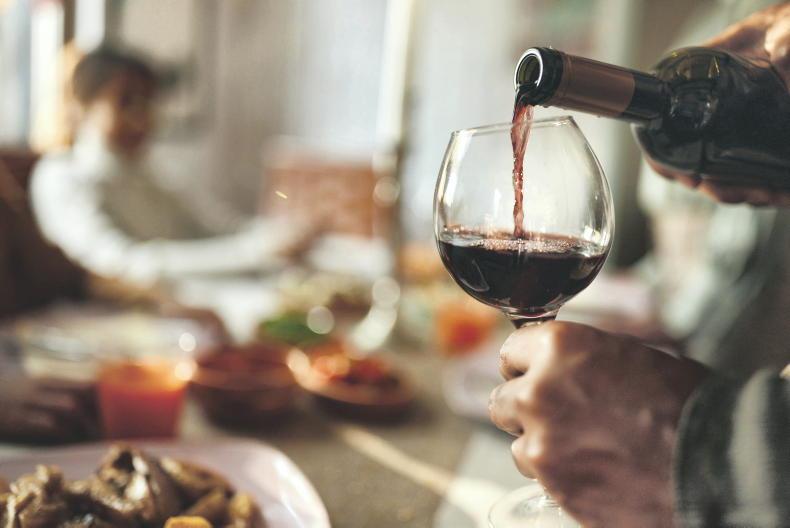
Over half (57%) of adult drinkers living in a rural area noted that they are most likely to be at home when drinking, according to new research from the Drinkaware Barometer 2025.
The findings paint a picture of adult drinking habits across the country; and Drinkaware exclusively pulled statistics from its IPSOS B&A barometer for Irish Country Living to capture alcohol usage among rural dwellers.
Urban adults tend to drink more frequently, with 58% of the urban population versus 52% of the rural population reporting that they drink on a weekly basis. Twenty-four percent of the urban population versus 23% of the rural population engage in binge drinking behaviour (more than six standard drinks).
This is in line with other research that previously found weekly drinking rates are lower in farming men than the general population in Ireland.
It has also been found that those living in rural communities are more likely to abstain from alcohol.
Despite lower average alcohol consumption in rural areas reported, adults living in rural areas have been identified at increased risk of experiencing alcohol-related harms.
Research conducted in 2023, led by Siobhán O’Connor and her colleagues at DCU found that 43% of Irish farmers reported moderate alcohol use and 28% abstain from drinking.
However, almost one in three (29%) of Irish farmers reported harmful alcohol use, with age being an important risk factor, particularly among younger farmers.
“Rural communities face distinct challenges – isolation, limited social outlets, transport barriers, and stigma, which can all contribute to alcohol-related harms,” says a spokesperson from DrinkAware.
“For rural and farming communities, the data underscores the need for tailored, supportive approaches that address isolation, stigma, and access barriers – while recognising the resilience and openness to change that already exists.”
Alcohol misuse
Alcohol Forum Ireland is a charity that delivers a range of frontline supports for families impacted by alcohol harm. Headquartered in Co Donegal, it understands the challenges associated with alcohol consumption in rural Ireland.
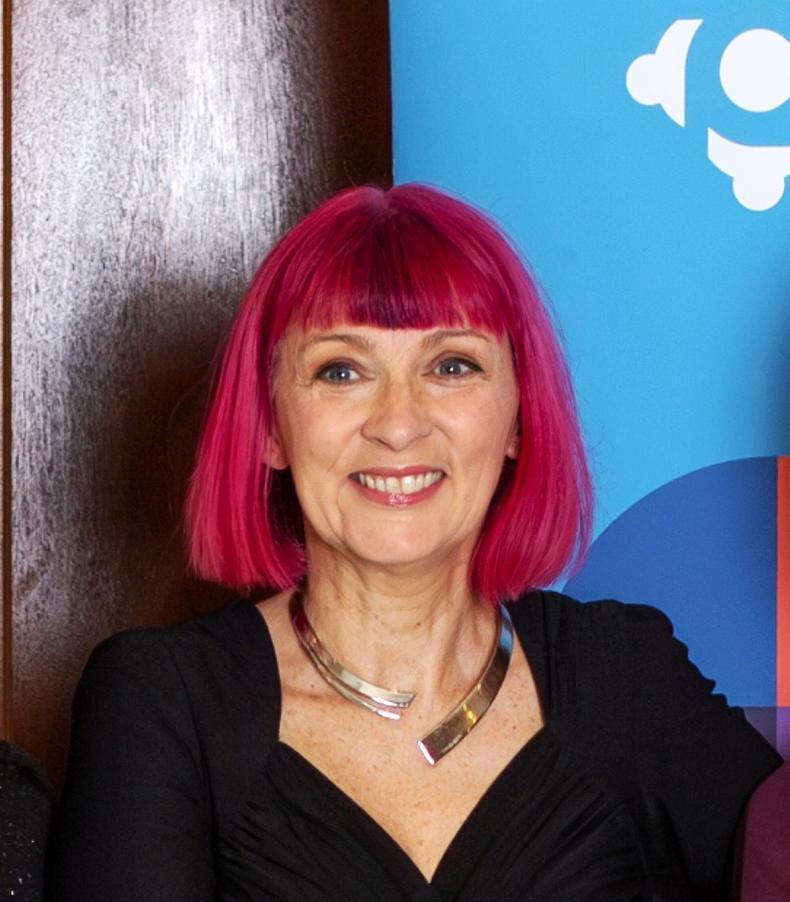
Paula Leonard, CEO of Alcohol Forum says society has normalised alcohol harm and heavy drinking. “We almost celebrate drunkenness particularly at times like Christmas. However, four people die every day from alcohol use in this country [according to Health Research Board 2024],” she says.
“Christmas can be really hard on people. I worry a lot about people in recovery, particularly in early recovery. Christmas brings families back together, it brings up childhood trauma. It triggers so many things. And then, of course, there’s road traffic accidents.
It’s not just the number of people who will die on our roads this Christmas who had drink in their systems when they were driving, it’s the passenger numbers, it’s the pedestrians getting home. There’s these layers and layers of things that we just don’t comprehensively think about.”
Supporting children
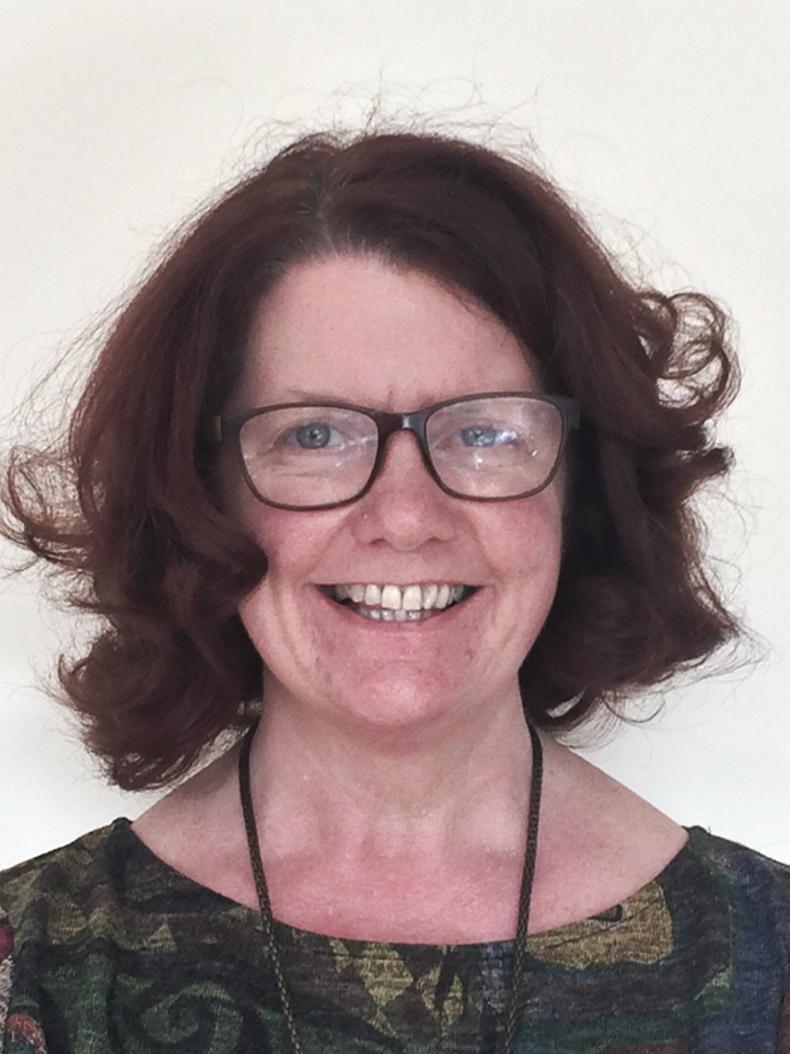
Dr Sheila Gilheany, CEO of Alcohol Action Ireland, echoes Paula’s sentiments. Alcohol Action Ireland has a particular interest in supporting children who grow up with alcohol harm in the home.
“Coming up to Christmas, when there is increased drinking, can be an exceptionally traumatic time for children,” says Dr Gilheany. “Almost one third of children (32%) have a parent who is either a regular binge drinker or is dependent on alcohol [according to Health Research Board],” she says.
“It is a very difficult thing on many levels for children, because there’s conflict between loving their parent and also simultaneously being afraid. Not being sure of which parent is going to be there – the loving, kind, warm parent or the scary parent who is under the influence.
“Especially at a young age, children wouldn’t necessarily have the language to express that, but certainly they are absorbing that tension and that stress which is there.
“Sadly, parental problem alcohol use would be a risk factor for many other adverse childhood experiences, like domestic violence, which is also something that increases at holiday periods.”
How to cope
If you are worried about somebody who is drinking heavily at Christmas, “the first thing is just mind yourself,” advises Paula of Alcohol Forum Ireland. “You didn’t cause it and you can’t fix it.
“Encourage them to go and see their GP who will do an assessment with them. But if you were worried about yourself, ring the HSE drug and alcohol helpline.”
The helpline is available to people who are worried about themselves or a family member. The percentage of calls to the helpline that relate to alcohol has increased significantly over the last number years, says Paula.
The HSE told Irish Country Living that: “the HSE Drugs and Alcohol Helpline was contacted 6,216 times in 2024. Alcohol featured as the most referred to substance in calls and emails last year (3,400), which was an increase from 2023 (3,159) and 2022 (2,410).
“Cocaine was the second most referred to substance in 2024 (1,229), which compares with 2023 (1,260) and 2022 (983).”
Paula is swimming in the open water in Donegal, Sligo, Cavan and Mayo every day of December. This is to raise awareness and funding for alcohol related brain injury.
“We’re calling the campaign Brain Freeze to make the link with brain health. Alcohol is a really strong neurotoxin. It has a terrible impact on the brain, and we’re not talking about it,” says Paula.
Alcohol Forum Ireland delivers the only community-based alcohol-related brain injury service in the country.
About one in eight dependent drinkers who have an alcohol-use disorder will end up with some level of cognitive decline because of alcohol.
“But alcohol-related brain injury is not necessarily progressive,” she adds. “If a person can be supported to stop drinking and receives timely and appropriate neuro rehabilitation, 75% of people can make a significant recovery.”
Advice from DrinkAware
If you are conscious of your alcohol consumption and want to keep it in check over the festive season, Dearbhla O’Brien, CEO of Drinkaware, shares her advice.

Be mindful. “People need to understand why they are drinking and have a clear understanding of what they’re consuming and how much,” says Dearbhla. “The standard drink is a small glass of wine or a half pint of beer, not a pint. Binge drinking is six standard drinks in one sitting, so that is three pints or more.”
Plan. “Don’t leave anything to chance. Decide how much you want to drink, or if you don’t want to drink, plan your evening. It is completely normal for people not to have alcohol, but a lot of it comes down to just pre-planning and thoughtfulness.”
Avoid rounds. “When you’re in a round of drinks, you are drinking as fast as the fastest person in that round, and you’re having the number of drinks of the people that are in that round. And the bigger the round, the more you’re going to consume.”
Alternate your drinks. “You don’t have to have an alcoholic drink every single round. It takes one hour for your body to process a standard drink. And be really mindful of the next day. Most arrests for drink driving are made the next day, up to two o’clock in the afternoon.”
Avoid drinking at home. “It’s very easy to free pour... The home is the single biggest location for alcohol now.”
The HSE has a drugs and alcohol
helpline, which operates Monday to Friday, 9.30am-5.30pm, at: 1800 459 459 or you can email: helpline@hse.ie.
Alcohol Forum Ireland provides
supports and services to individuals and families impacted by alcohol and drug harm. See alcoholforum.org.
Paula Leonard is taking a cold dip a day in December for Alcohol Related Brain Injury. Support idonate.ie/event/BrainFreezePaulaLeonardsdipadayinDecemberforAlcoholRelatedBrainInjury.
Silent Voices is an initiative run by
Alcohol Action Ireland which seeks to raise awareness of parental problem alcohol use. See alcoholireland.ie for more.
See drinkaware.ie for advice,
support and information about alcohol consumption.


SHARING OPTIONS