



At this time of year, social media feeds become flooded with images of smiling students, but behind the scenes, heading back to the classroom can be an anxious time for children and teens.
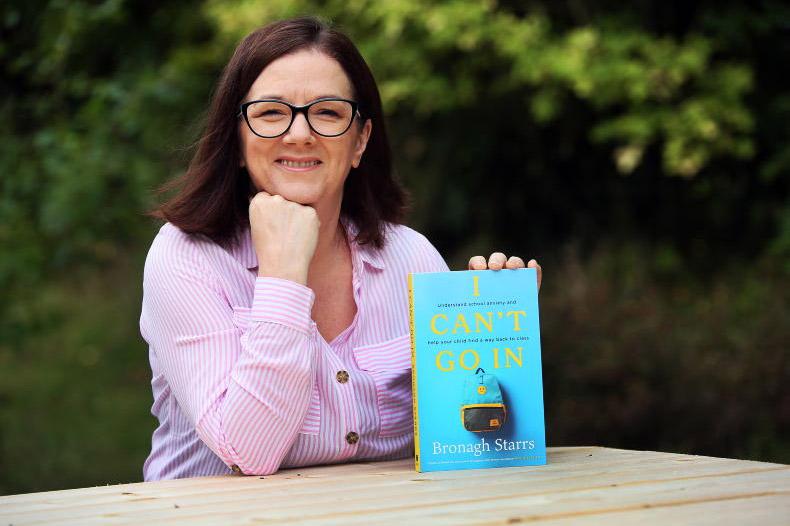
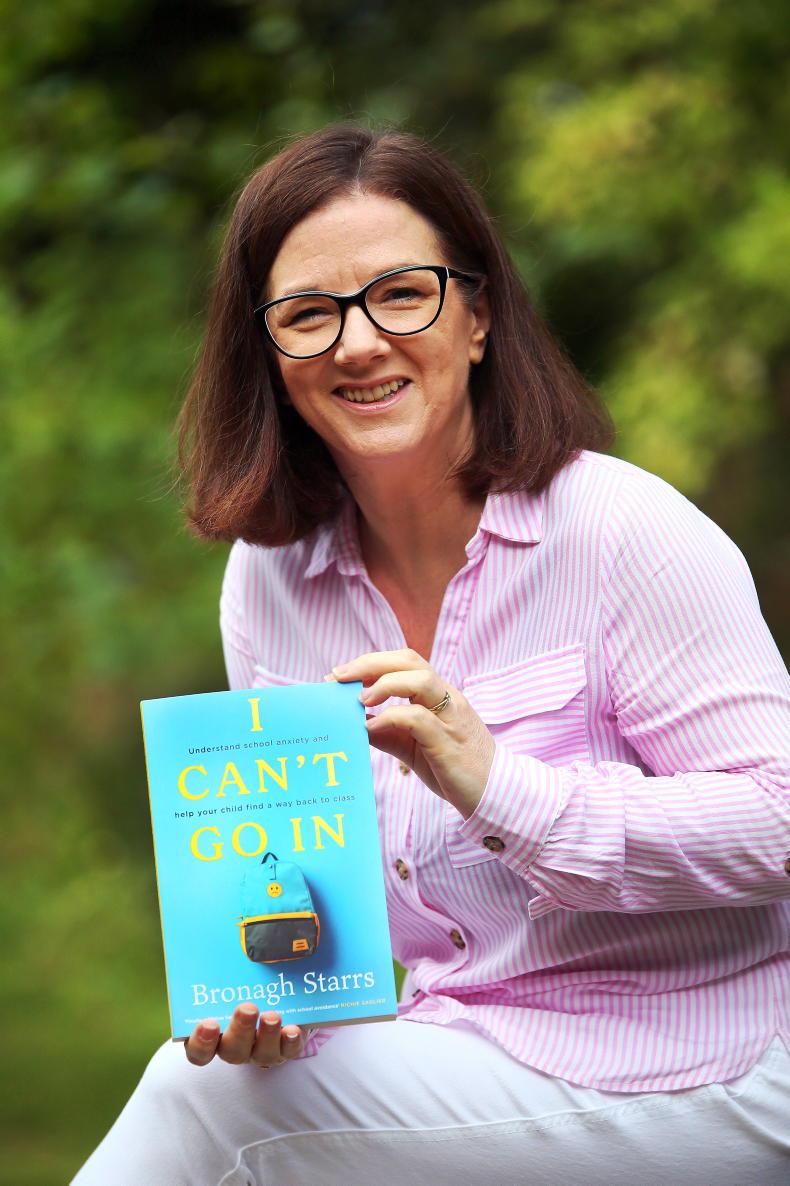
Bronagh Starrs, psychotherapist and author of I Can’t Go In: Understand school anxiety and help your child find a way back to class, has spent over 20 years working with children and teenagers. Her new book looks at school anxiety and how parents can help their children navigate it – including knowing when to push and when to step back.
She says one of the first things parents need to understand is the difference between a child who simply doesn’t want to go to school and one who feels they cannot.
“There’s a difference between a reluctance in a child wanting to go to school and an anxiety. When a child is repeatedly telling us, ‘I can’t go in’, we need to listen to what is underneath that,” Bronagh says.
"What looks like refusal is often a child communicating that something feels unmanageable.”
Constant reassurance can become part of the cycle. The child repeatedly returns to the parent for reassurance, when what they really need is help to regulate their nervous system
It can leave parents flummoxed, caught between insisting their child goes to school and stepping back.
Bronagh uses the word ‘powerless’ to describe how many parents feel in these circumstances. When she uses the word with parents she works with, she says many become tearful because it so accurately describes the experience.
There may be tears, anger or complaints of feeling ill in the morning while parents are rushing to get themselves out the door to work or other children off to school.
Nervous system
But Bronagh says the work of helping an anxious child needs to begin long before the morning alarm goes off. Trying to regulate an overwhelmed child in the middle of that heated morning moment can be a case of shutting the stable door after the horse has bolted.
Instead, she recommends helping a child regulate their nervous system when everybody is calm, while also trying to understand what exactly is making school feel unmanageable.
So how does a parent distinguish between a normal wobble and something that needs more attention?
“There can be many reasons why a child suddenly becomes reluctant to go to school. Exams, friendship difficulties, bullying or simply getting back into a routine after the summer can all cause anxiety,” explains Bronagh.
The Health Service Executive (HSE), says occasional worry or anxiety is normal in children. It becomes more concerning when it begins to affect their thoughts and behaviour every day and interferes with school, home or social life.
Parents may also notice anxiety showing up physically. Tummy aches, feeling unwell, difficulty sleeping, problems eating, irritability, crying and difficulty concentrating can all be signs of anxiety.
For older children and teenagers, the HSE notes that worries about school and social anxiety become more common.
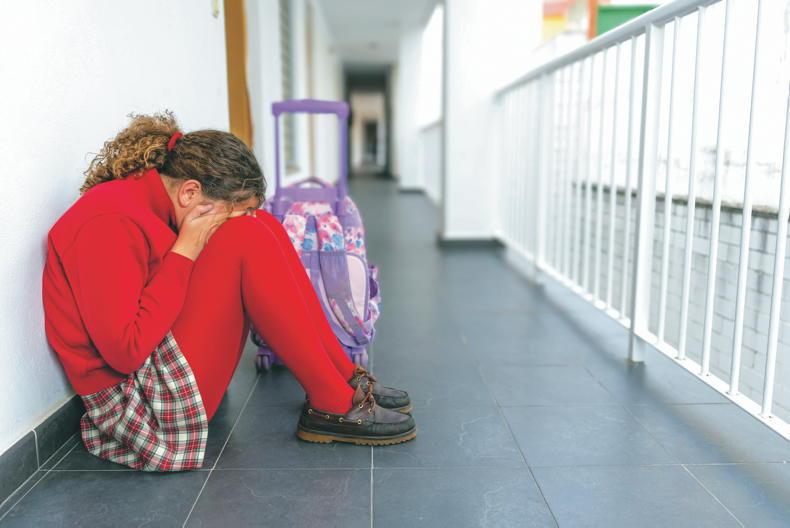
The scale of school absence in Ireland is significant. Figures from the Tusla Education Support Service show that more than one in five children and young people at primary and post-primary level miss more than 20 days of their school year. When anxiety comes to a head at 8am, staying calm is easier said than done.
One child may be crying or refusing to get dressed, another needs to get out the door and a parent may be watching the clock before work.
But a parent’s own response matters. National Educational Psychological Service (NEPS) guidance for parents dealing with reluctant school attendance specifically includes managing their own thoughts and feelings as part of supporting their child.
The HSE similarly advises parents to stay calm and notes that children can pick up on a parent’s anxiety, potentially increasing their own. Bronagh sees this play out often in her own work with families.
Highly anxious
Bronagh says a parent doesn’t have to feel perfectly calm, but they do need to be ”regulated enough to respond deliberately – rather than being driven by their own alarm”.
When a child is highly anxious, she says, they are particularly sensitive to a parent’s voice, facial expression, urgency and behaviour. If the parent appears stressed, the child can interpret that as evidence that the situation is unmanageable.
“The parent ideally communicates two things simultaneously – I understand this feels very hard and I believe you can cope with this,” Bronagh says. “It’s difficult to confidently convey the second part of this when the parent isn’t regulated themselves.”
Parents shouldn’t feel they have to solve the problem alone. NEPS has specific guidance for both primary and post-primary schools on reluctant attendance and school avoidance, including how parents and schools can work together to support a child’s return.
Bronagh recommends talking to the school early and explaining what is happening.
“There isn’t a school in the country which isn’t dealing with some child who is working through anxiety,” she says. “Typically, they are receptive to helping.”
Particular trigger
Sometimes relatively small accommodations can make the day feel more manageable. If assembly is a particular trigger, for example, the school may agree that a child can temporarily skip it. For another child, the problem may be a busy entrance or a particular part of the school day.
The aim, however, isn’t to remove everything that makes a child uncomfortable.
Avoidance can bring immediate relief from anxiety, but that relief can itself become part of the problem. The HSE explains that when a child successfully avoids a stressful situation and feels better as a result, they can become more likely to avoid that situation again.
The challenge is acknowledging that the child’s distress is real while still helping them move forward at a pace they can manage.
Reassuring a frightened child is perhaps one of the most natural responses a parent can have. But Bronagh says constant reassurance can become circular if the child repeatedly seeks it without becoming any better able to manage the situation.
“Constant reassurance can become part of the cycle. The child repeatedly returns to the parent for reassurance, when what they really need is help to regulate their nervous system.”
Growing up in the 70s and 80s like I did, showing any anxiety around going to school could result in seeing the wooden spoon come out. You just wouldn’t bring it up to your parents
HSE advice points in a related but slightly different direction: rather than reassurance alone, parents are encouraged to listen to the child’s worries, acknowledge them and help them think through ways they can deal with the things they fear.
Bribery is another tool an exhausted parent might reach for. Bronagh says it can sometimes be effective at the outset – a ‘baby step’ – but it isn’t the end goal. The bigger aim is helping the child regulate and build their capacity to cope.
There has also been a considerable change in how children themselves talk about anxiety.
Bronagh says children today have a vocabulary around mental health and emotions that simply wasn’t available to many previous generations.
Parents, too, are more attuned to what their children are feeling and more willing to listen when something isn’t right.
It’s a shift Bronagh feels personally, looking back at her own childhood.
“Growing up in the 70s and 80s like I did, showing any anxiety around going to school could result in seeing the wooden spoon come out. You just wouldn’t bring it up to your parents,” Bronagh says.
That greater openness is undoubtedly positive. But understanding and acknowledging a child’s anxiety is not the same thing as knowing how to help them through it – and Bronagh says this is where many parents struggle.
Choose a quiet moment: don’t wait until the morning rush to address the issue. Try to find a calm moment, practice a ‘script’ with what you might say.
Listen to what is behind the statement: if a child continuously says they don’t want to go to school, listen for hints about what the trigger is.
Regulate yourself first: children pick up on parents’ stress. Try to show confidence while acknowledging how hard things feel.
Get the school involved: let the teachers know early on. Small, temporary accommodations may make the return to school more manageable.
Be careful with avoidance: staying home may reduce anxiety in the moment but it’s not a permanent solution.
Move beyond reassurance: listen and acknowledge worries, while helping your child develop strategies to cope.
‘I Can’t Go In: Understand school anxiety and help your child find a way back to class’ is published by Gill Life, €17.99.






SHARING OPTIONS