



It is a stark, uncomfortable reality that hundreds of lives are lost to suicide in Ireland every year. The Central Statistics Office reports that the most recent figures on the five-year average of deaths by suicide in Ireland (2018-2022) was 526.
The impact of each one of those losses on families, friends and communities is immense. Research from the University of Kentucky suggests as many as 135 people may be affected by one single suicide.
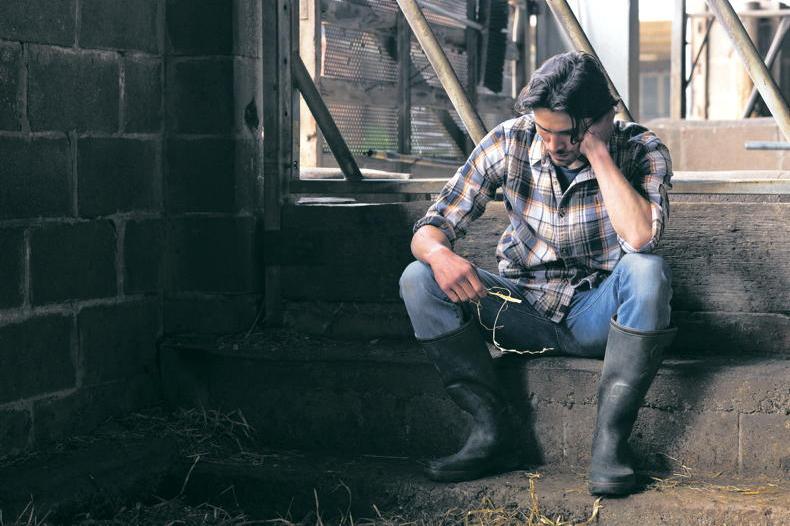
It’s also known that certain occupations have higher suicide rates. In 2023, research for the Health Service Executive’s National Office of Suicide Prevention found that 23% of participating farmers were considered at risk of suicide. Long hours, financial strain and social isolation can weigh heavily on the mental wellbeing of those in the farming community.
A 2024 survey by St Patrick’s Mental Health Services found that 20% of respondents would tell no one if they were experiencing suicidal thoughts, while 49% of people who experienced mental health difficulties did not want to engage with treatment due to stigma or embarrassment.
The chasm between realising you’re struggling and asking for help can seem impossible to navigate, but it’s important for people to know that it is not. The same is true if you’re worried about a loved one’s mental health. The first step towards making things better is having that initial, courageous conversation. The impact of doing so can transform and save lives.
The recently released five-year suicide prevention strategy from Irish charity, Suicide or Survive, highlights the importance of those conversations. Courageous Conversations for Suicide Prevention in Ireland 2026-2030 was co-created with people with lived and living experience of suicide.
It focuses on four strategic pillars: honouring lived experience, keeping suicide prevention at the forefront, changing how we talk about suicide and strengthening the organisation’s impact. It aims to create an Ireland where people feel safe to talk openly about suicide and are met with understanding, hope and support.
“There’s a lot of shame attached to suicide,” says Catherine Redmond, Suicide or Survive’s national programmes manager. “We’re making really good inroads into chipping away at the stigma, but it is still there, and it will take time.”
Support and education
More than 1,000 individuals accessed Suicide or Survive’s services in 2025. Its benchmark offering is the 26-week, person-centred Eden Programme, for people who have attempted suicide, are suicidal, or are experiencing suicidal thoughts. There are also programmes for people supporting a loved one, as well as more general wellness courses.
The team works with local organisations and health professionals around the country to go where it’s most needed. There are online options too, which are particularly helpful for people in rural areas, or those reluctant to attend a support group close to home.
“We will go anywhere we’ve been asked to go,” says Catherine. “We had a wellness workshop in Castlemaine, Co Kerry and we’ll be running an Eden Programme in Portlaoise, Co Laois, later in the year.”
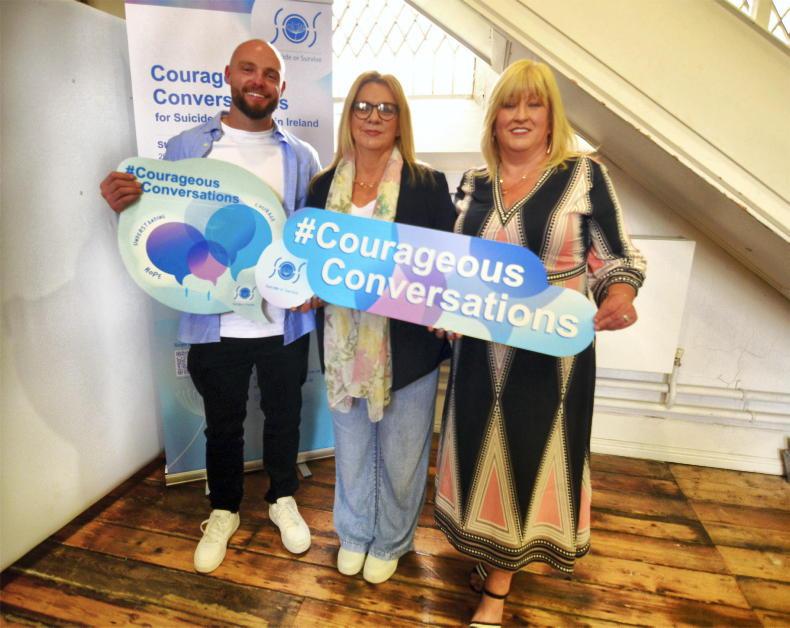
They have also collaborated with Farm Well Hub, a community-led organisation that supports the mental and physical wellbeing of farmers.
“We delivered some of our programmes last year,” says Catherine. “It’s something I’d like to do again.”
Lived experience
One person who has benefitted from the support of Suicide or Survive and the Eden Programme specifically is Co Kildare woman Vanessa Burke.
Now on the board of the charity, she shares her story to let others know that things can get better.
Vanessa had struggled with depression for most of her life and things reached a crisis point in March 2022.
“I thought I was managing quite well,” she says. “I suppose I knew there was something wrong, but I thought I had more in the tank. I thought I had control of it and I was hiding it well.”
At the time, Vanessa was working in a busy, front-facing role in a private hospital.
“I’d made a real effort to put a persona out front,” she says. “Then, when you get back into your own home, you’re exhausted, because it’s like you’re on stage, performing all day.”
Finally, it all came to a head the night before St Patrick’s Day 2022, when Vanessa attempted to take her own life. She later described the contrast as surreal: waking up in hospital and, a week later, undergoing a psychiatric assessment. This led to her admission to the hospital’s psychiatric unit.
“I was afraid going into hospital,” says Vanessa. “I suppose I had a stigma in my head about it, but I’ve met the most amazing people on my journey. For whatever reason, they were in there the same as me, and it made me feel a bit better.”
After an eight-month stay, Vanessa was discharged as an outpatient into the care of her family. Once home, Vanessa’s world stayed very small as she tried to rebuild her life. A year later, she told a friend that she was starting to feel low again. Her friend suggested she try the Eden Programme run by Suicide or Survive, and Vanessa decided to give it a go.
“After that first session, I started to have hope again,” Vanessa says. “Over the 26 weeks of the programme we explored various topics: healthy boundaries, relationships, nutrition, conflict and creativity, to name a few.
“We were given the space by the amazing facilitators to have honest, courageous conversations. I learnt how to be my own support system, and I have a greater understanding of ‘self’ now: self-acceptance, self-compassion, self-advocacy, and personal responsibility.”
Finding hope again
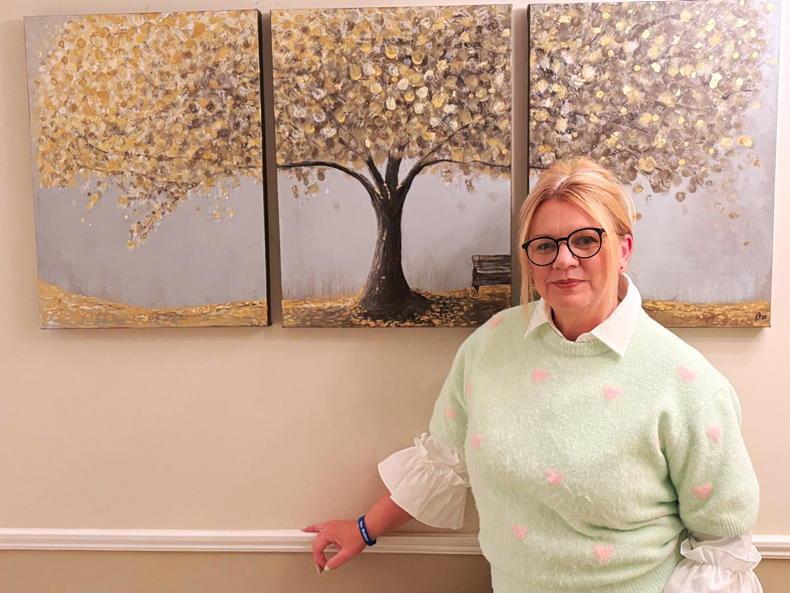
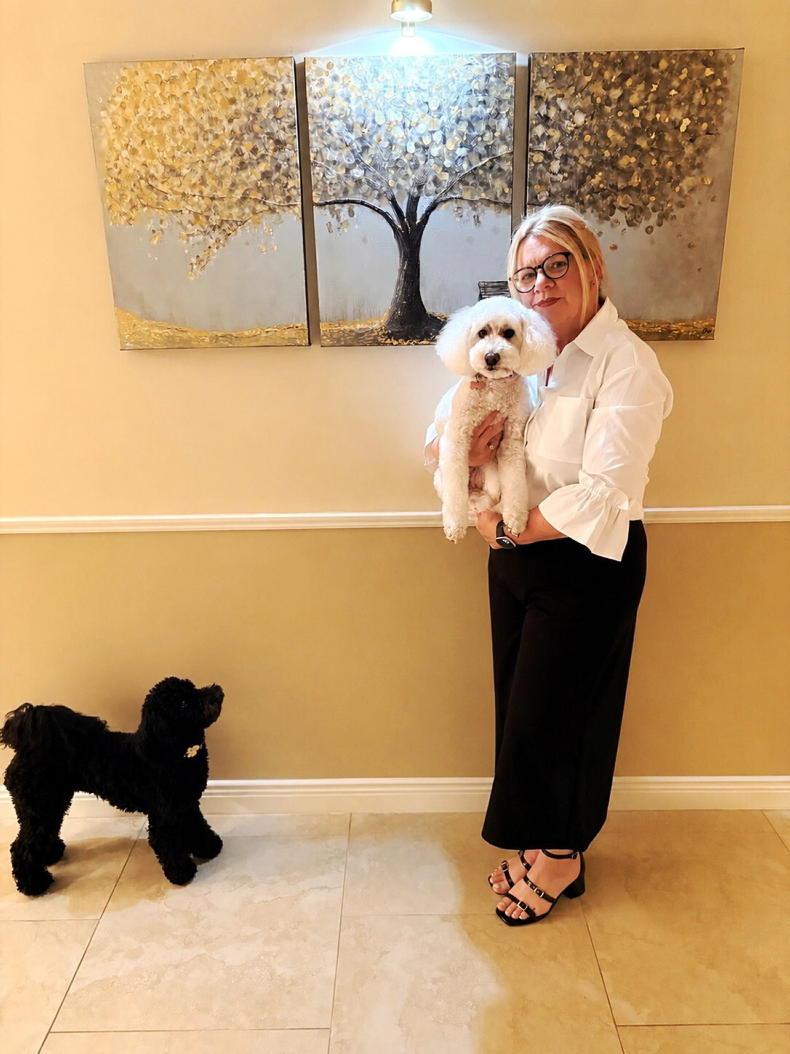
Today, Vanessa’s life is very different. She has a new job and her time in treatment both reignited her love of art and revealed a real talent for it.
“I loved art when I was younger and now I paint pictures and have them framed for people. It really takes my mind off everything.”
She has also developed tools to navigate life’s ups and downs, she says.
“I still have bad days, but I know what I need to keep myself well. I’ve had to put the work in. I still need medication and I meet with my therapist regularly, but I know how to look after myself now. I must fill my own cup first before I can give to others. All of this helps me to manage depression, but every day, I draw on the skills the Eden Programme has given me.
“Things are so much better because I don’t pretend anymore,” she says. “I look back on photos of celebratory times, and I remember standing for those photos and I was struggling inside. I wasn’t enjoying the day, which is really sad. Now, when we have occasions, I say to my family, ‘Isn’t this wonderful?’ and they know I mean it.”
“You have to want to help yourself,” says Vanessa, “but if anybody has any inkling that something in my story resonates with them, they should reach out to Suicide or Survive. Catherine and the team will know if the programme is right for them.”
See suicideorsurvive.ie



SHARING OPTIONS