




Members of the European Parliament have called on the European Court of Justice to intervene on certain legal aspects of the Mercosur trade deal.
Midlands North West MEP Ciaran Mullooly and other MEPs from various other political groups in the European Parliament are seeking an EU Court of Justice opinion on whether the trade deal's current structure stands up under EU law.
Mullooly said that he is "confident" that the court may well rule against the European Commission and the method of splitting and splicing this trade agreement.
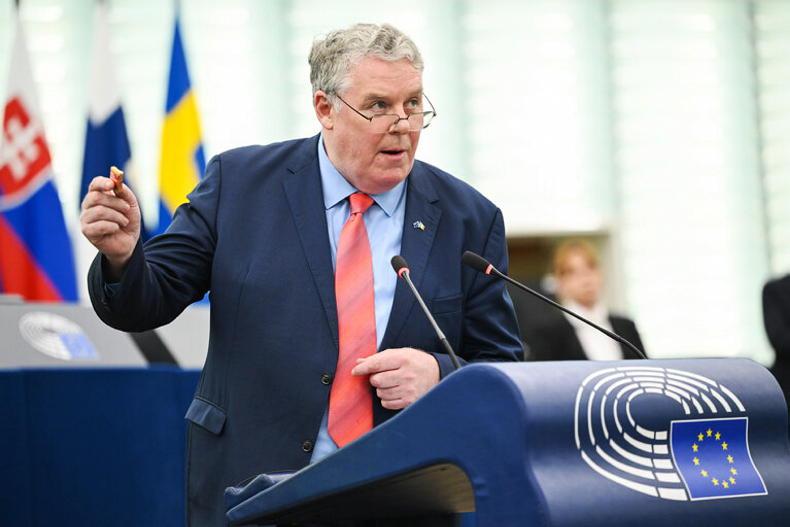
Speaking on Monday 3 November Mullooly said: "There’s been an important development in the battle to stall the EU-Mercosur deal in the European Parliament this afternoon. I’ve said from the start I’d do everything in my power to stop this rotten deal and I’m now joining colleagues to mount a legal challenge."
The motion for a resolution will be submitted on 14 November, with a view to being put to the vote during the plenary session from 24 to 27 November in Strasbourg.
This motion focuses in particular on examining:
Coalition
Meanwhile, Independent MEP Michael McNamara has joined the coalition to jointly table a motion and said that politically the trade deal, “stinks”.
"Beyond differences of opinion on the merits or drawbacks of the agreement, we deem it essential to preserve the European legal order, to guarantee compliance with the acquis communautaire and to ensure sincere cooperation between the European institutions.
The EU-Mercosur agreement, he added, raises profound questions on these matters and ensuring that the EU considers only legally sound commitments is a matter of credibility.
“I’m backing this cross-party move because there must be a doubt about the legality of circumventing the say-so of national parliaments on this trade deal particularly when everybody knows that this chicanery is being employed because some national parliaments are likely to block this,” he said.
The European Union, its commissioners and president Von der Leyen, he argued, continue to pay “lip service” to subsidiarity, which should mean that national and perhaps even regional parliaments should be heard.





SHARING OPTIONS