


Is GPS-controlled ploughing the future or a passing trend soon to be forgotten? I would say discount it at your peril as the tech era for farming is well on track.
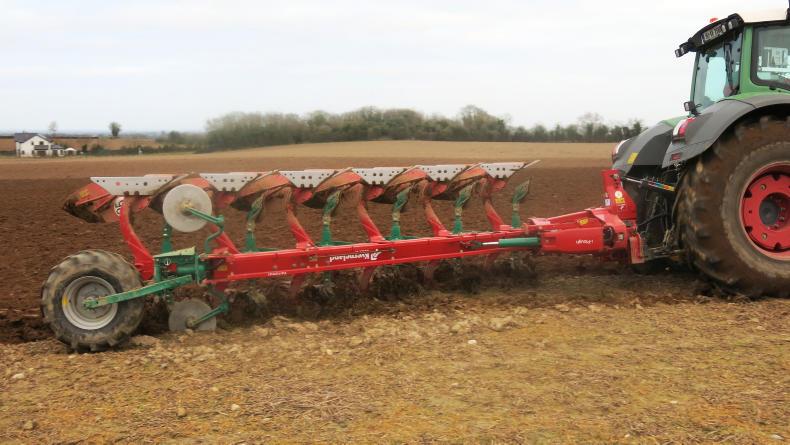
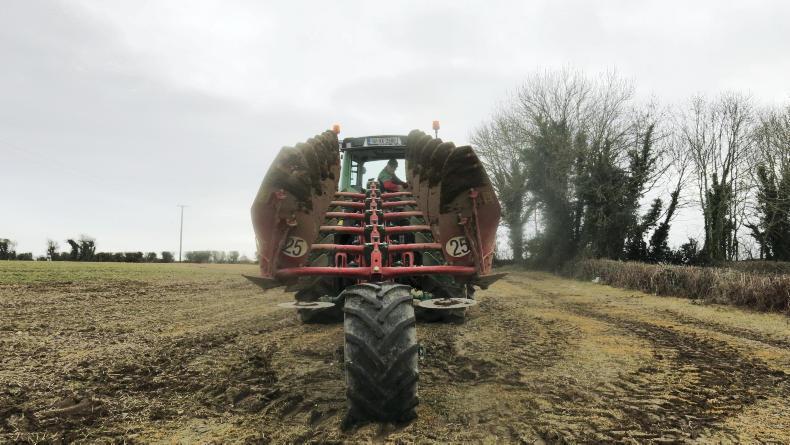
The Kverneland 2500 Series plough has been in development for the last five years. This new generation of Kverneland ploughs targets a growing segment of the market for five- to six-furrow ploughs.
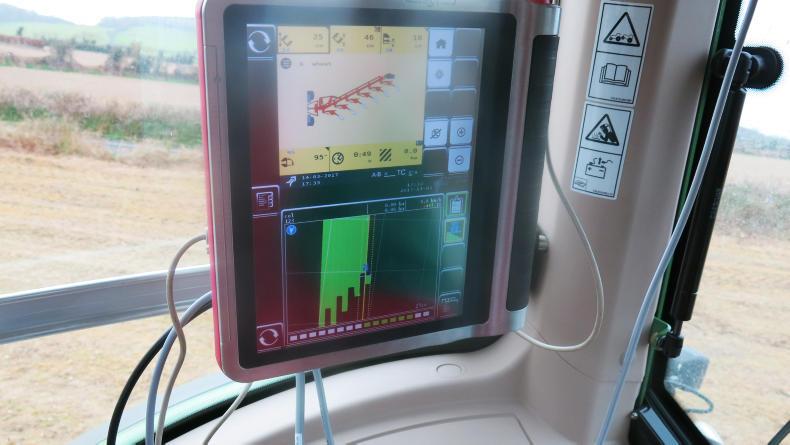
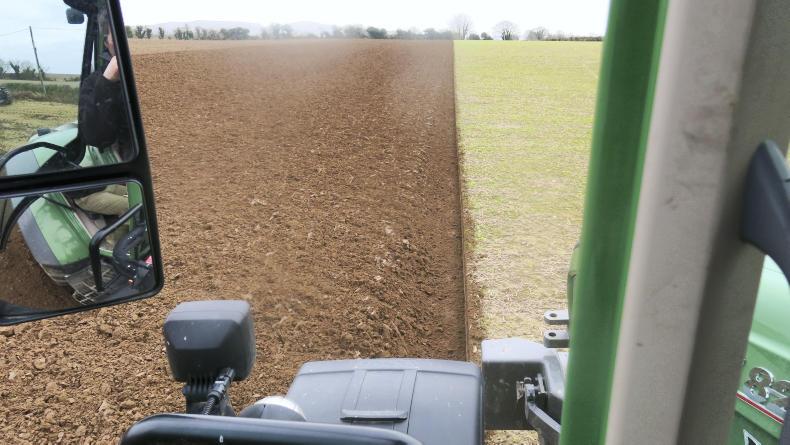
ISOBUS control allows the plough to be almost completely set up from the tractor seat. In addition, its vari-width function can be automated via the use of GPS, essentially enabling the plough to steer itself to maintain a straight furrow.
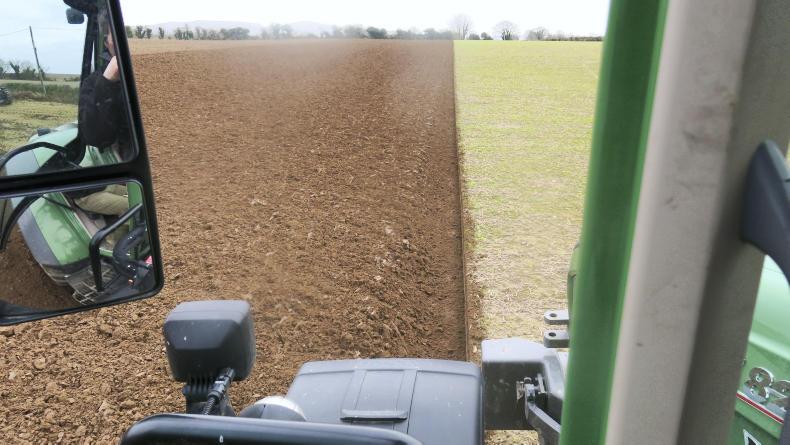
While on-land ploughing can achieve this through automatic tractor steering, in-furrow ploughing means the tractor’s direction is at the mercy of the last furrow and powerless to intervene when a furrow wants straightening up. While this could be achieved manually, the iPlough now takes care of that itself.
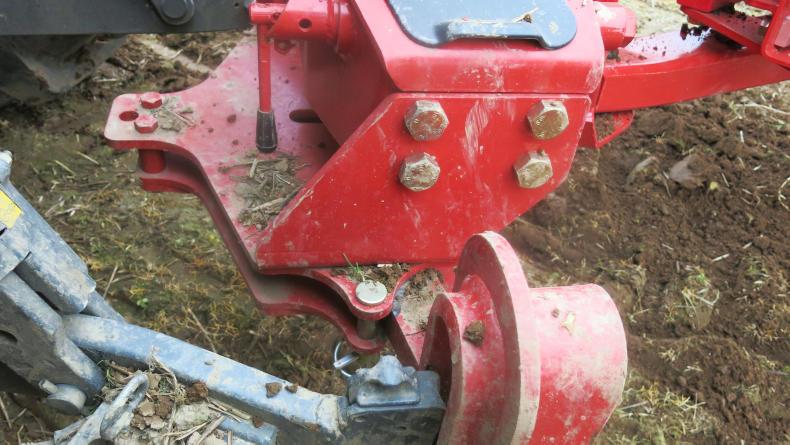
The plough can be operated in four main modes – transport, work, park and mark. Switching between the modes sees the plough configure itself automatically, reducing time and increasing convenience. A hydraulically split headstock design allows the plough to be towed like a semi-mounted machine. With that, you get 35° of a steering angle.
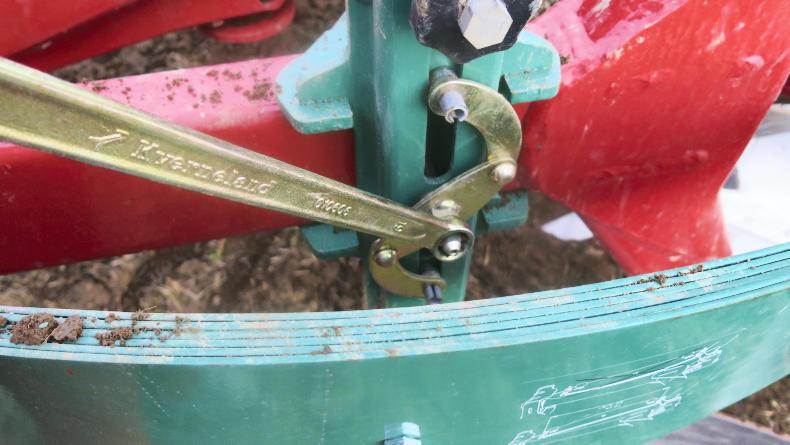
During setup, tractor dimensions can be input with front furrow width automatically worked out. As well as software, pretty much all of the plough is brand new, save for the mould board design. A new rounded profile leg design helps with trash flow and reduces wear, while a new centralised skimmer adjustment system sees skimmer setup time slashed in half. It can be specified with shearbolt protection or a new teardrop-shaped leaf spring design which affords auto-reset. There is 800mm of underbeam clearance and the firm’s 600mm-diameter Packomat furrow press can be specified.
AeroProfile design
The idea behind this concept is to limit the drag effect on the plough, with the pre-shaped design reducing the welding on the corners of the plough leg.
According to Kverneland, the leg will be easier pulled, saving on fuel and horsepower. Another redesign for adjusting the skimmers is a central turn nut that adjusts each skimmer by the same amount on both sides of the plough.
The land wheel design has changed from a pendulum to a pivot system. According to Kverneland, this is much safer for the road as it is located in a more central position on the plough and tractor.
The unique rubber belt track is now a second option for this model plough, instead of the conventional land wheel. The tracked option gives a greater contact area to reduce compaction.
There also three operator control options for the plough. The basic control is a handheld switch to select the relevant functions on the plough. The medium spec control unit gives a visual display of the plough’s functions and adjustments.
The top-of-the-range ISOBUS-controlled plough is the i-Plough concept. With this top-end spec, everything is controlled from the screen in the tractor cab.
Getting to grips with the fact that GPS is controlling the ploughing is comforting. That said, it will not cure extreme errors or make good a poor operator.
The 2500S has some great design features. My favourites include the new headstock and the centrally adjusted skimmers. The ability to control all movement from the cab eliminates the need for the 27mm spanner. To keep the Fendt 828 on the ground, a 1,300kg ballast weight to the front provided comfortable handling and traction.
So will GPS-controlled ploughing replace current systems? The answer is probably yes. There is no doubt that elements of this technology will shape the future of ploughing in some form.


SHARING OPTIONS