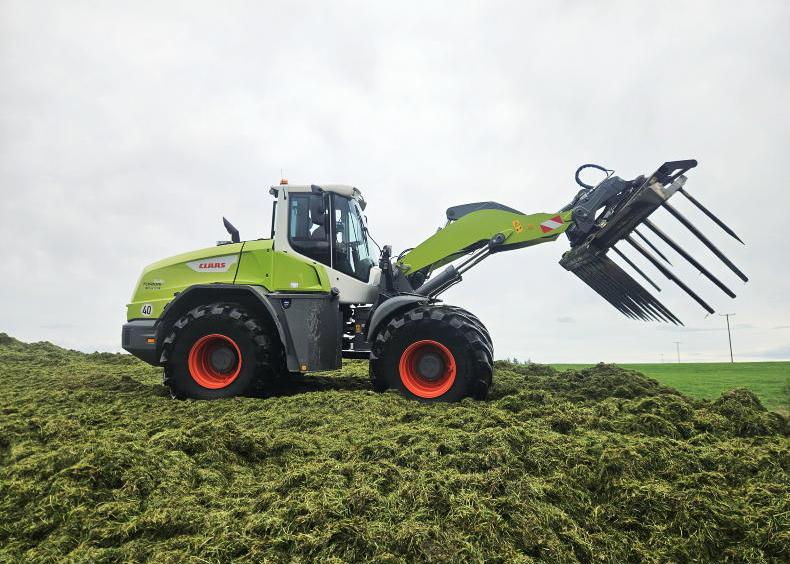
In recent years, Claas has begun making inroads into the agricultural wheel loader and telehandler market. The origins of this date back eleven years to 2015, when Claas and Liebherr, two of Germany’s most renowned machinery manufacturers initially announced plans to collaborate in a deal where Liebherr would supply machines to Claas. At the time, Claas also announced it would be winding down its agreement with Kramer, who had been supplying telescopic handlers to Claas since the mid-noughties.
Claas officially introduced the Torion line of agricultural wheel loaders and the first Liebherr-built telescopic Scorpion machines at the Agritechnica trade fair in November 2017, with sales kicking off in 2018.
This was Claas’s first introduction to the wheel loader market, but it did have a strong presence at this point in the telehandler market.
Today, the Claas wheel loader offering spans across 12 models, ranging from the 4.6t 530 T Sinus telescopic wheel loader up to the 20t Torion 2014 model.
Since 2018, Claas have upwards of 50 Torion wheel loaders and over 100 Scorpion telehandlers working across Ireland, the majority of which would be on farms. In a similar bid to its approach to the European tractor market, on the back of its dominance in the forager market, the manufacturer is beginning to push sales of the larger wheel loader market, targeting contractors. Last autumn, Claas gave us the opportunity to spend some time on its 1611P wheel loader.
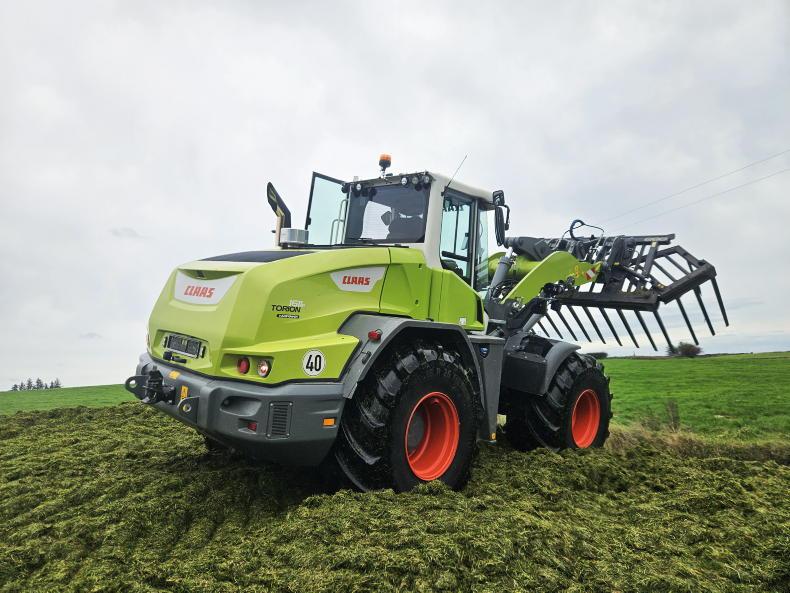
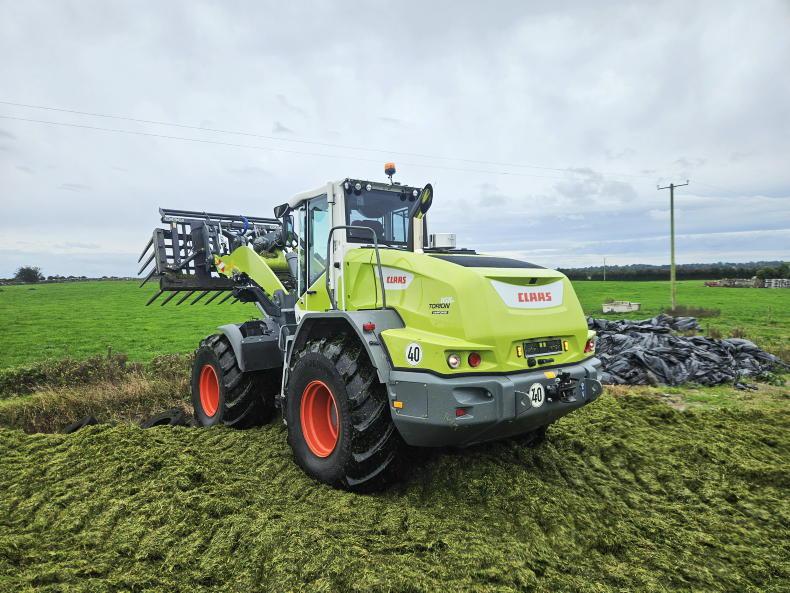
The Torion 1611P is a 15.5t loader with up to 252hp on tap. The loader is powered by a DPS (Deere Power System) 6.8-litre straight-six engine that’s married up a hydrostatic transmission.
The 1611P is the third largest wheel loader offering from Claas.
Claas explained that with its co development with Liebherr, it designed the 1611P mainly for silage, manure, grain and bulk material handling, with the aim of combining high lifting performance with hydrostatic drive technology and advanced hydraulic systems.
At the heart of the Torion 1611P is a 6.8-litre, six-cylinder DPS engine, which meets Stage V emissions regulations. The engine produces a maximum output of 185 kW, or 252 horsepower, at 2,000rpm, while peak torque reaches 970Nm at 1,600rpm.
The manufacturer explains that this strong low-end torque is particularly important during heavy clamp work or loading dense materials where constant pushing force is needed.
Claas explain that the engine in the Torion is installed far to the rear and also serves as a counterweight.
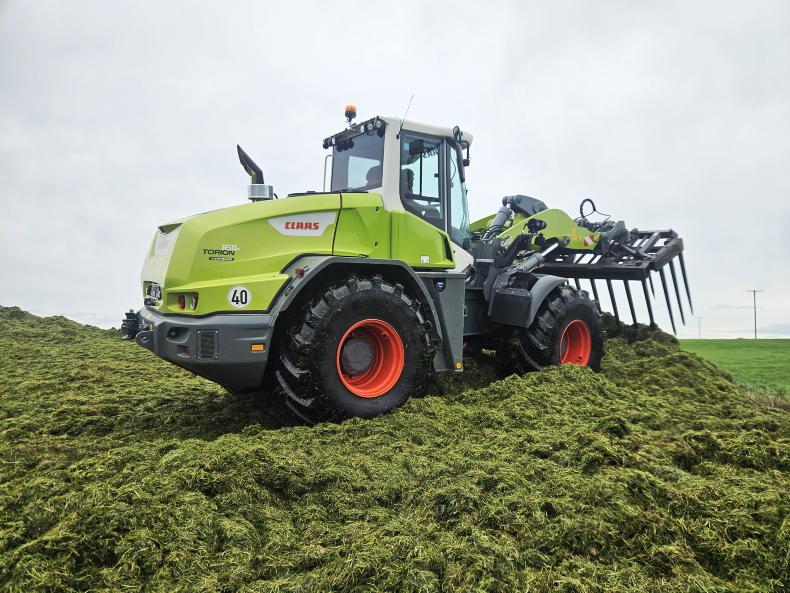
The loader is powered by John Deere’s 6.8-litre straight-six engine that’s married up a hydrostatic transmission.
The manufacturer said that this shifts the machine’s centre of gravity downwards and towards the rear, producing a high tipping load without the need to carry additional ballast.
One unique feature is the dynamic cooling system, which provides demand-driven cooling for the air conditioning condenser, radiator, intercooler, gearbox oil cooler, hydraulic oil cooler and fuel cooler. This system detects the requirements of all cooling units via thermosensors and electronically adapts fan speeds (100–1050 rpm) accordingly.
Another standout feature is the Varipower transmission. Unlike a traditional powershift gearbox, Varipower is a continuously variable hydrostatic transmission. At ground speeds of up to 16 km/h, two axial piston motors are in operation.
At speeds of more than 16 km/h, the second motor is disconnected from the drive train to reduce fuel consumption during road travel.
As the Varipower ground drive brakes autonomously at any speed, Claas says that the service brake suffers almost no wear.
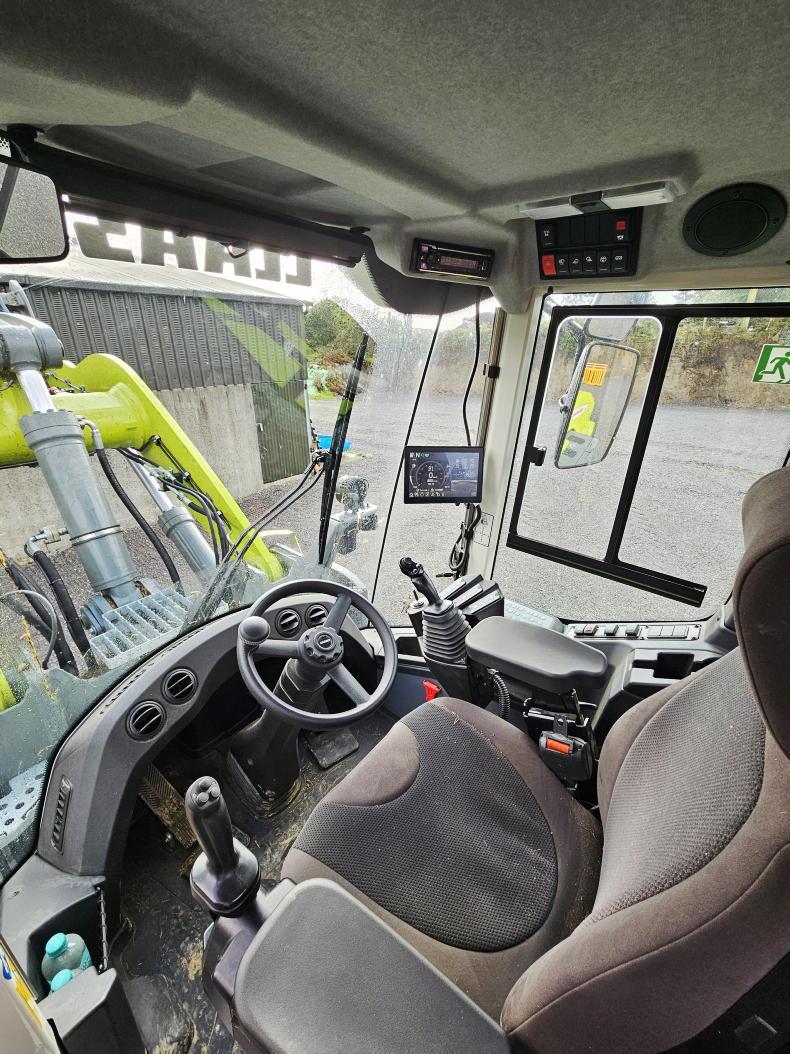
The 1611P was fitted with the optional joystick control.
The inching pedal is a welcomed feature, especially for pit work, once you get used to it. Pressing gently on the inching pedal allows the ground speed to be continuously decreased, with the engine speed remaining the same which is necessary for the hydraulics.
Fully depressing the pedal regulates the ground drive down to zero and activates the service brake. With this transmission, the operator can precisely control movement at low speeds for loading operations.
On the road, the machine tops out at a transport speed of 40km/h. While in transport, the loader features automatic speed reduction which consistently reduces the engine speed, thus using less fuel.
The 1611P load-sensing hydraulic setup delivers up to 200 litres per minute at 350 bar pressure. This provides the machine with quick boom lift and crowd speeds.
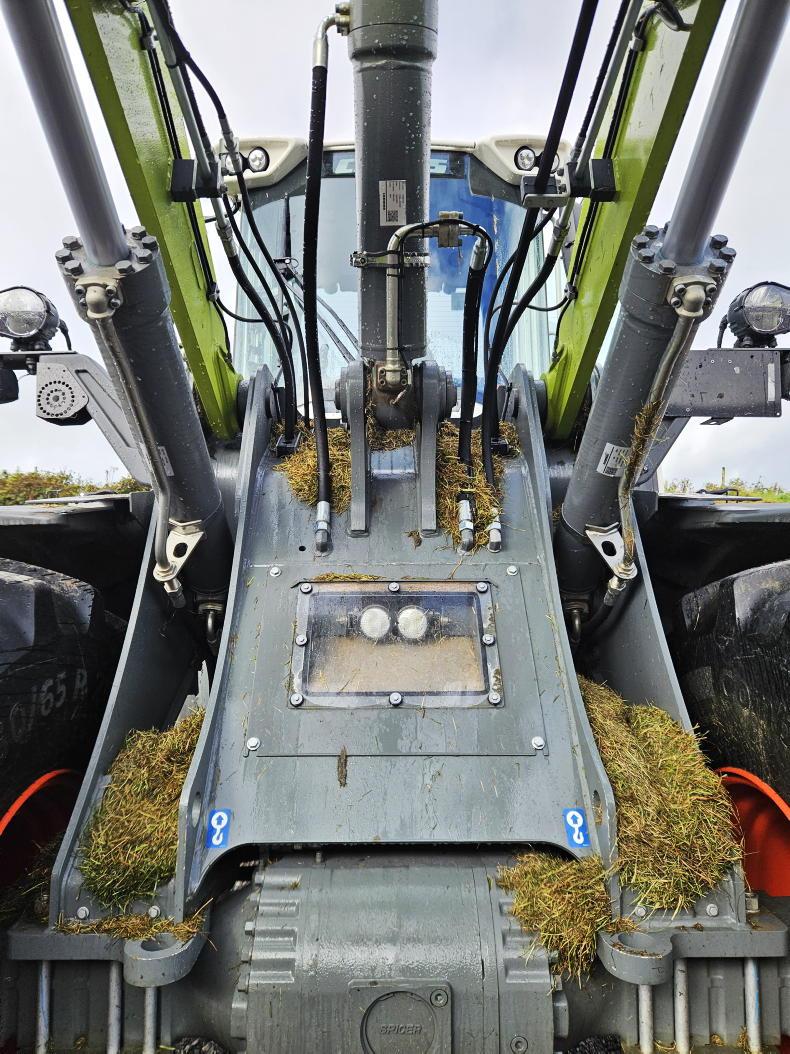
Coming from an industrial base, Claas explains that the newly developed Z-kinematics have been tweaked for agricultural use, designed to deliver strong breakout force. Depending on the specification, breakout force reaches between 115kN and 120kN.
Although something we didn’t utilise at the pit work, the loader features quite a bit of technology with its smart loading functions.
At ground speeds of up to 16 km/h, two axial piston motors are in operation.
This includes programmable lift heights, automatic bucket return-to-position, self-levelling and integrated weighing systems.
In terms of size and lifting ability, the Torion 1611P has an operating weight of approximately 15,500kg.
The fully articulated tipping loads range of the standard 1611P is 7.6 tonnes, while straight tipping load of the standard machine is 8.3 tonnes.
Maximum bucket pivot height ranges from 3.78 metres on the standard Z linkage to 4.31 metres on the high-lift ZHL version. The 1611P has a turning radius of 6.1m.
The axles feature a self-locking differential with a locking factor of 45%.
The front axle features a rigidly mounted planetary axle and the rear a fully floating planetary axle with an oscillation angle of 10° on each side.
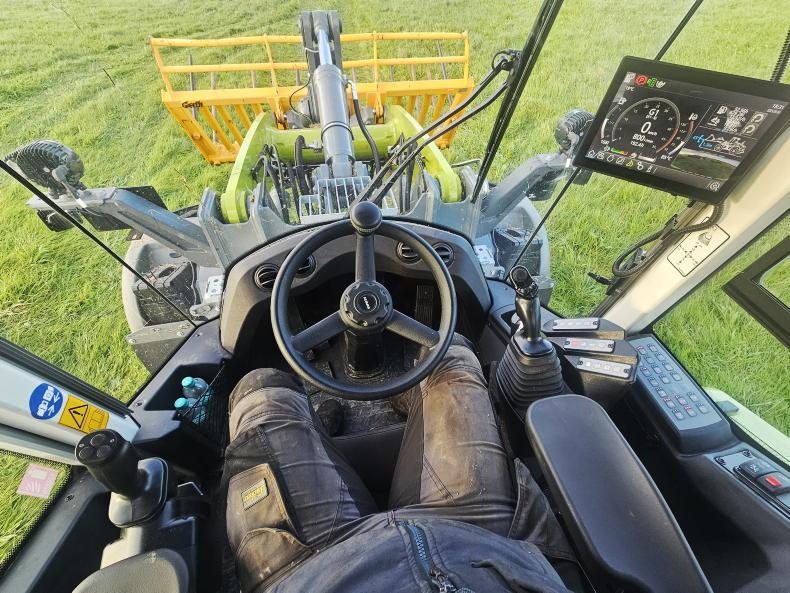
The cab features slim pillars which encompass a rounded windscreen. It features a 9” touch display, while the joystick is integrated into the armrest.
The 9” colour display with touch functionality packages all functions and information needed for operating the machine.
The icons within the screen are self-explanatory, and the system is intuitive to operate.
The 1611P was fitted with the optional joystick control.
This is a feature which we see other manufacturers such as Volvo and JCB beginning to sell more and more machines with.
Once we got accustomed to the inching pedal, it’s a feature that proves difficult to be without.
The joystick is integrated into the armrest and moves freely with it.
In addition to the steering, you can also use the joystick to control the other wheel loader functions as usual such as raising and lowering the lift mast, fill and dumping the implement and to switch driving direction.
The operator can tune the sensitivity of the joystick steering from the control terminal. Overall, once we got used to this system, it was an absolute gift on the pit.
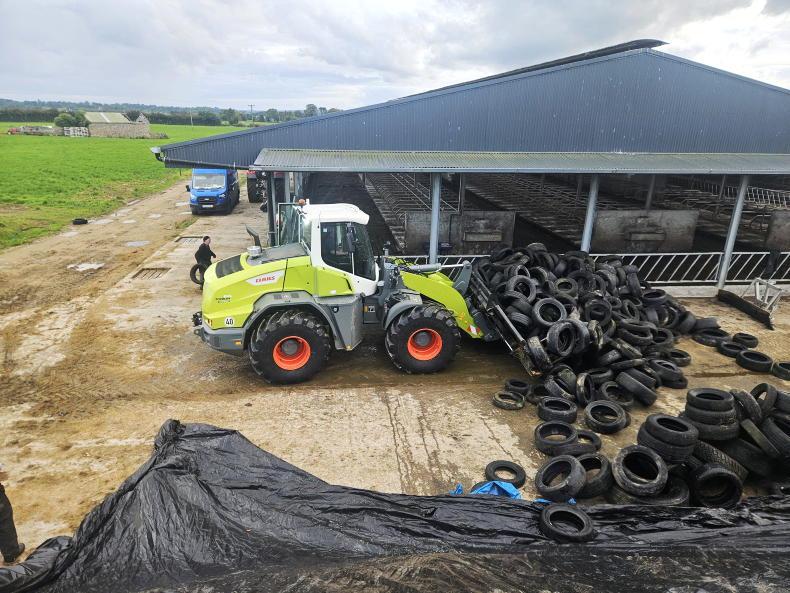
For the power and weight its packs, the Torion 1611P is compact in size, particularly in comparison to competitors in this space such as the popular JCB 435S. The Liebherr build quality oozes throughout the machine, with build quality and paint finish being top class.
The cab is comfortable, well laid out and offers a serious amount of technology, in terms of loading and unloading etc. Its probably a physically smaller internal cab than some other machines in this space, but it still provides a very nice operator working environment, with all functions located close to the driver.
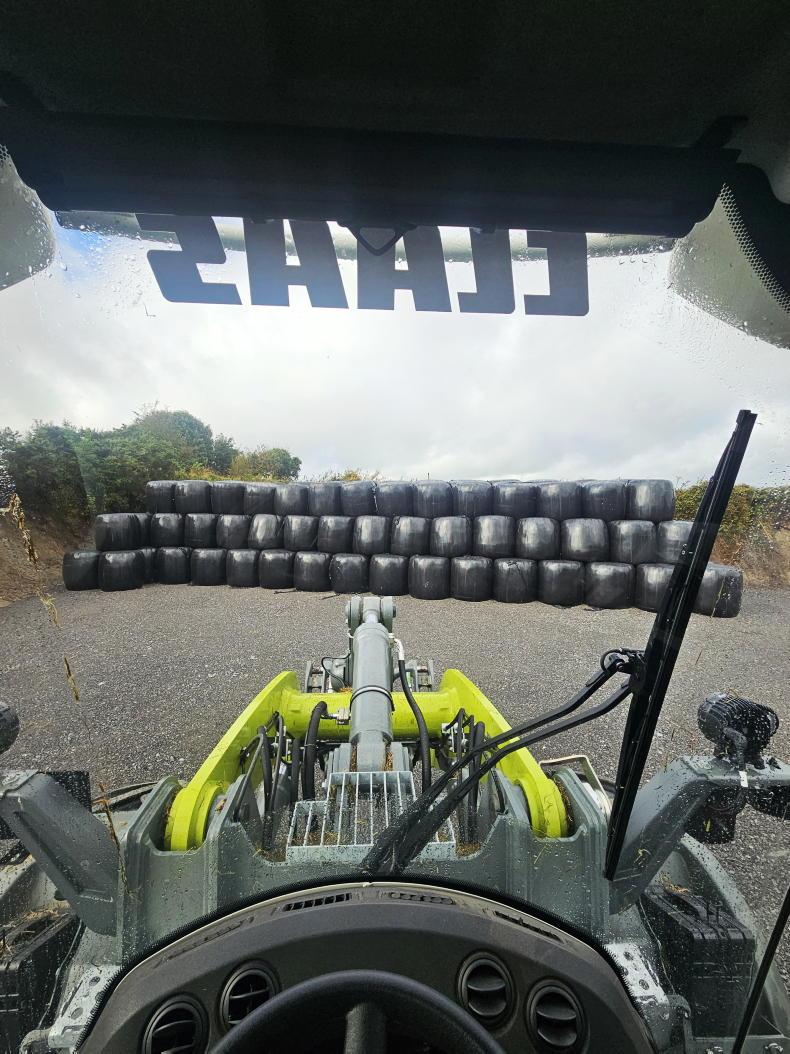
Visibility is very good.
The joystick steering was a really impressive feature, an option which is proving very popular with agricultural contractors on sales of all new wheel loaders over the past few years.
Visibility from the driver seat is good, with the exception of around the boom area, which obviously is a natural drawback with any Z linkage wheel loader.
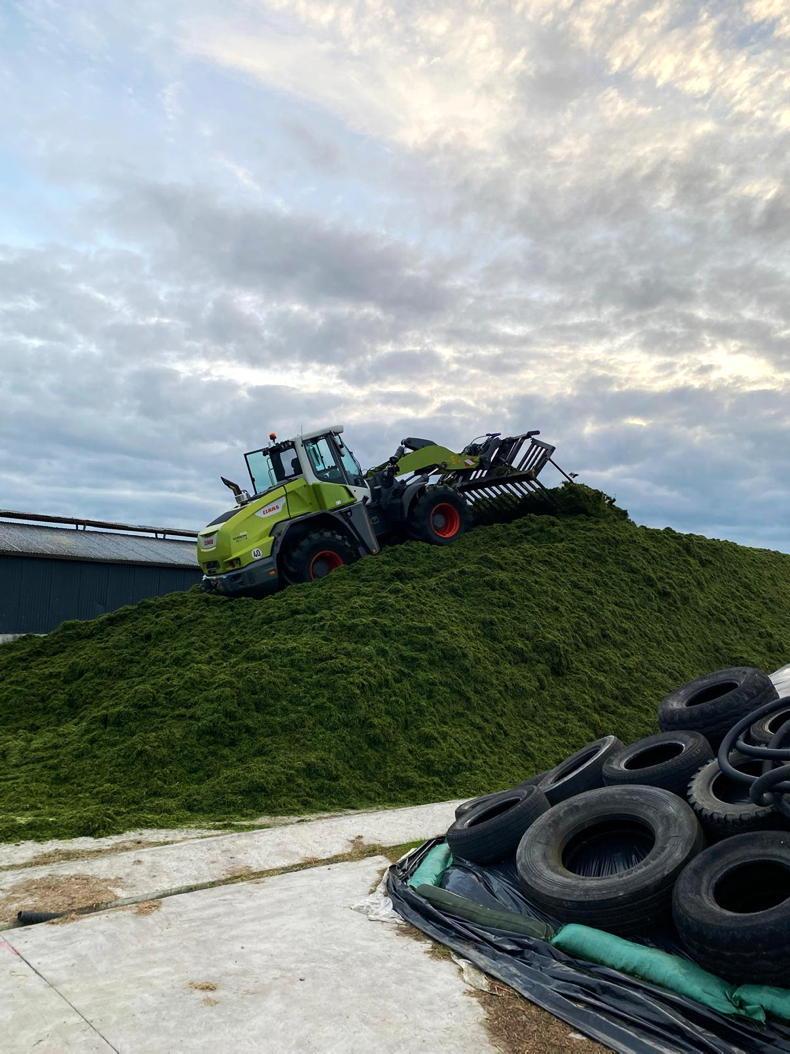
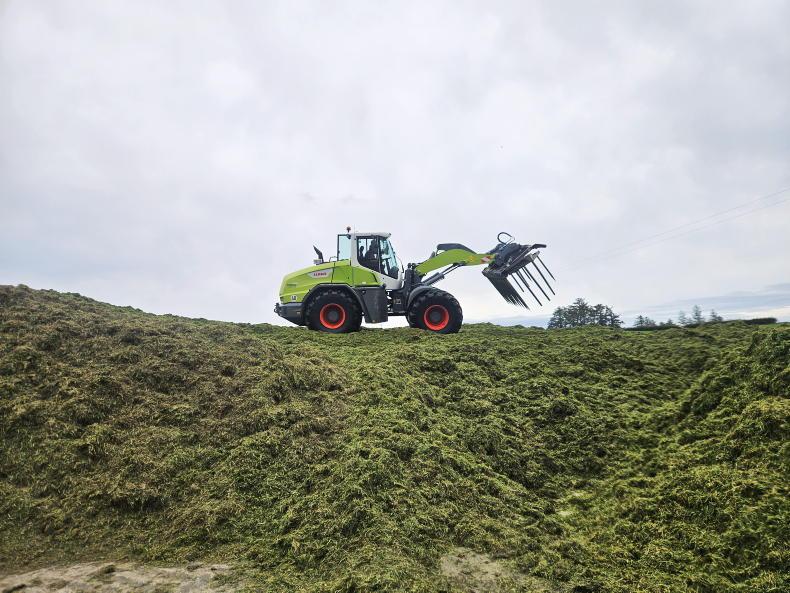
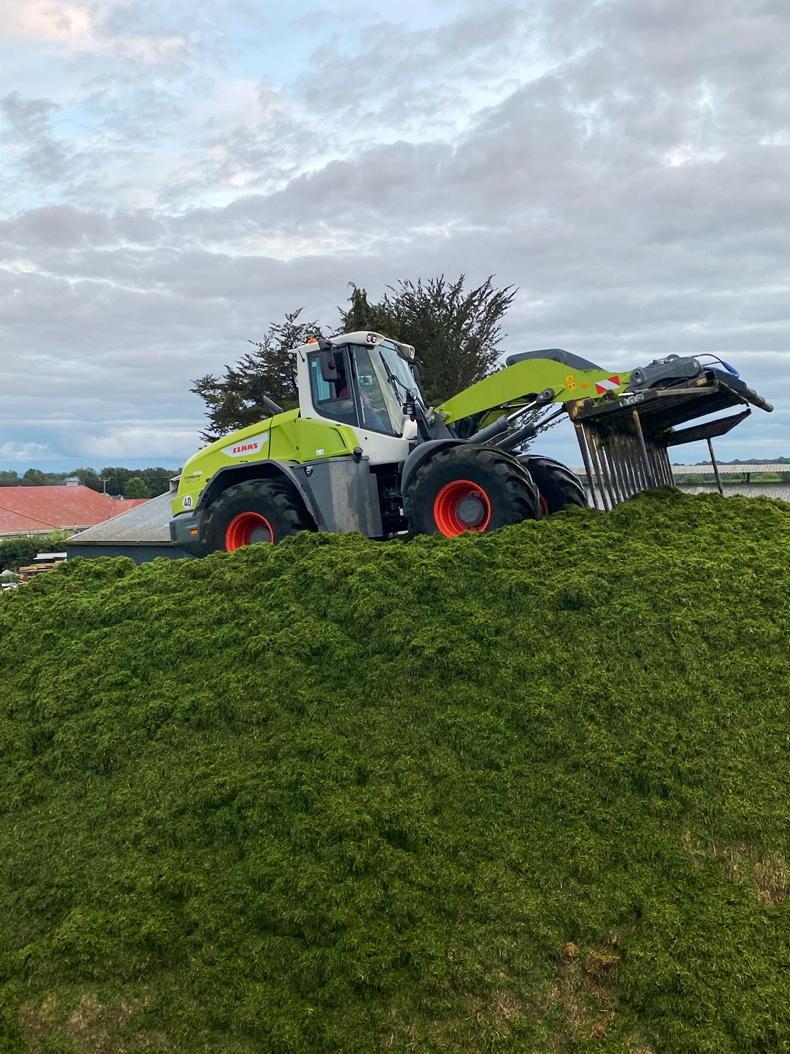
We used the loader to push up heavy third cut silage, joining forces with a 14ft OCE folding silage fork.
The loader was well capable of using the fork, but the hydraulic system did know all about it when it was climbing steep clamps with a full load.
The DPS engine pairs up very well to the Varipower transmission.
Although initially you may feel that you would like to have more raw power, it’s the torque that really impresses and in particular the machines’ ability to just stay going, even under major load. Once we got accustomed to the inching pedal, it’s a feature that proves difficult to be without.
? Likes
Joystick steering system.Compact machine for its weight. Build quality.Ability to adjust all machine settings in the terminal.?Dislikes
Would like a slightly bigger cab.
The inching pedal is a welcomed feature, especially for pit work, once you get used to it.


For the power and weight its packs, the Torion 1611P is compact in size, particularly in comparison to competitors in this space such as the popular JCB 435S.

At ground speeds of up to 16 km/h, two axial piston motors are in operation.


In recent years, Claas has begun making inroads into the agricultural wheel loader and telehandler market. The origins of this date back eleven years to 2015, when Claas and Liebherr, two of Germany’s most renowned machinery manufacturers initially announced plans to collaborate in a deal where Liebherr would supply machines to Claas. At the time, Claas also announced it would be winding down its agreement with Kramer, who had been supplying telescopic handlers to Claas since the mid-noughties.
Claas officially introduced the Torion line of agricultural wheel loaders and the first Liebherr-built telescopic Scorpion machines at the Agritechnica trade fair in November 2017, with sales kicking off in 2018.
This was Claas’s first introduction to the wheel loader market, but it did have a strong presence at this point in the telehandler market.
Today, the Claas wheel loader offering spans across 12 models, ranging from the 4.6t 530 T Sinus telescopic wheel loader up to the 20t Torion 2014 model.
Since 2018, Claas have upwards of 50 Torion wheel loaders and over 100 Scorpion telehandlers working across Ireland, the majority of which would be on farms. In a similar bid to its approach to the European tractor market, on the back of its dominance in the forager market, the manufacturer is beginning to push sales of the larger wheel loader market, targeting contractors. Last autumn, Claas gave us the opportunity to spend some time on its 1611P wheel loader.
The Torion 1611P is a 15.5t loader with up to 252hp on tap. The loader is powered by a DPS (Deere Power System) 6.8-litre straight-six engine that’s married up a hydrostatic transmission.
The 1611P is the third largest wheel loader offering from Claas.
Claas explained that with its co development with Liebherr, it designed the 1611P mainly for silage, manure, grain and bulk material handling, with the aim of combining high lifting performance with hydrostatic drive technology and advanced hydraulic systems.
At the heart of the Torion 1611P is a 6.8-litre, six-cylinder DPS engine, which meets Stage V emissions regulations. The engine produces a maximum output of 185 kW, or 252 horsepower, at 2,000rpm, while peak torque reaches 970Nm at 1,600rpm.
The manufacturer explains that this strong low-end torque is particularly important during heavy clamp work or loading dense materials where constant pushing force is needed.
Claas explain that the engine in the Torion is installed far to the rear and also serves as a counterweight.

The loader is powered by John Deere’s 6.8-litre straight-six engine that’s married up a hydrostatic transmission.
The manufacturer said that this shifts the machine’s centre of gravity downwards and towards the rear, producing a high tipping load without the need to carry additional ballast.
One unique feature is the dynamic cooling system, which provides demand-driven cooling for the air conditioning condenser, radiator, intercooler, gearbox oil cooler, hydraulic oil cooler and fuel cooler. This system detects the requirements of all cooling units via thermosensors and electronically adapts fan speeds (100–1050 rpm) accordingly.
Another standout feature is the Varipower transmission. Unlike a traditional powershift gearbox, Varipower is a continuously variable hydrostatic transmission. At ground speeds of up to 16 km/h, two axial piston motors are in operation.
At speeds of more than 16 km/h, the second motor is disconnected from the drive train to reduce fuel consumption during road travel.
As the Varipower ground drive brakes autonomously at any speed, Claas says that the service brake suffers almost no wear.

The 1611P was fitted with the optional joystick control.
The inching pedal is a welcomed feature, especially for pit work, once you get used to it. Pressing gently on the inching pedal allows the ground speed to be continuously decreased, with the engine speed remaining the same which is necessary for the hydraulics.
Fully depressing the pedal regulates the ground drive down to zero and activates the service brake. With this transmission, the operator can precisely control movement at low speeds for loading operations.
On the road, the machine tops out at a transport speed of 40km/h. While in transport, the loader features automatic speed reduction which consistently reduces the engine speed, thus using less fuel.
The 1611P load-sensing hydraulic setup delivers up to 200 litres per minute at 350 bar pressure. This provides the machine with quick boom lift and crowd speeds.
Coming from an industrial base, Claas explains that the newly developed Z-kinematics have been tweaked for agricultural use, designed to deliver strong breakout force. Depending on the specification, breakout force reaches between 115kN and 120kN.
Although something we didn’t utilise at the pit work, the loader features quite a bit of technology with its smart loading functions.

At ground speeds of up to 16 km/h, two axial piston motors are in operation.
This includes programmable lift heights, automatic bucket return-to-position, self-levelling and integrated weighing systems.
In terms of size and lifting ability, the Torion 1611P has an operating weight of approximately 15,500kg.
The fully articulated tipping loads range of the standard 1611P is 7.6 tonnes, while straight tipping load of the standard machine is 8.3 tonnes.
Maximum bucket pivot height ranges from 3.78 metres on the standard Z linkage to 4.31 metres on the high-lift ZHL version. The 1611P has a turning radius of 6.1m.
The axles feature a self-locking differential with a locking factor of 45%.
The front axle features a rigidly mounted planetary axle and the rear a fully floating planetary axle with an oscillation angle of 10° on each side.
The cab features slim pillars which encompass a rounded windscreen. It features a 9” touch display, while the joystick is integrated into the armrest.
The 9” colour display with touch functionality packages all functions and information needed for operating the machine.
The icons within the screen are self-explanatory, and the system is intuitive to operate.
The 1611P was fitted with the optional joystick control.
This is a feature which we see other manufacturers such as Volvo and JCB beginning to sell more and more machines with.

Once we got accustomed to the inching pedal, it’s a feature that proves difficult to be without.
The joystick is integrated into the armrest and moves freely with it.
In addition to the steering, you can also use the joystick to control the other wheel loader functions as usual such as raising and lowering the lift mast, fill and dumping the implement and to switch driving direction.
The operator can tune the sensitivity of the joystick steering from the control terminal. Overall, once we got used to this system, it was an absolute gift on the pit.
For the power and weight its packs, the Torion 1611P is compact in size, particularly in comparison to competitors in this space such as the popular JCB 435S. The Liebherr build quality oozes throughout the machine, with build quality and paint finish being top class.
The cab is comfortable, well laid out and offers a serious amount of technology, in terms of loading and unloading etc. Its probably a physically smaller internal cab than some other machines in this space, but it still provides a very nice operator working environment, with all functions located close to the driver.

Visibility is very good.
The joystick steering was a really impressive feature, an option which is proving very popular with agricultural contractors on sales of all new wheel loaders over the past few years.
Visibility from the driver seat is good, with the exception of around the boom area, which obviously is a natural drawback with any Z linkage wheel loader.
We used the loader to push up heavy third cut silage, joining forces with a 14ft OCE folding silage fork.
The loader was well capable of using the fork, but the hydraulic system did know all about it when it was climbing steep clamps with a full load.
The DPS engine pairs up very well to the Varipower transmission.
Although initially you may feel that you would like to have more raw power, it’s the torque that really impresses and in particular the machines’ ability to just stay going, even under major load. Once we got accustomed to the inching pedal, it’s a feature that proves difficult to be without.
? Likes
Joystick steering system.Compact machine for its weight. Build quality.Ability to adjust all machine settings in the terminal.?Dislikes
Would like a slightly bigger cab.
The inching pedal is a welcomed feature, especially for pit work, once you get used to it.


For the power and weight its packs, the Torion 1611P is compact in size, particularly in comparison to competitors in this space such as the popular JCB 435S.

At ground speeds of up to 16 km/h, two axial piston motors are in operation.


SHARING OPTIONS