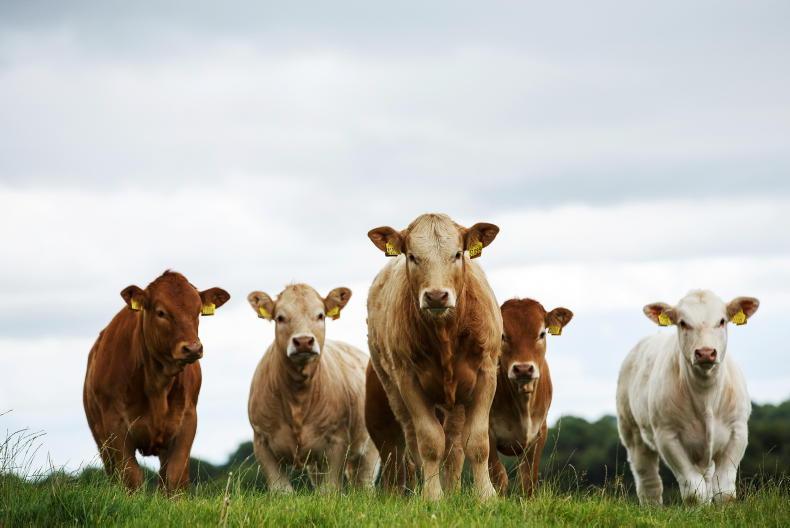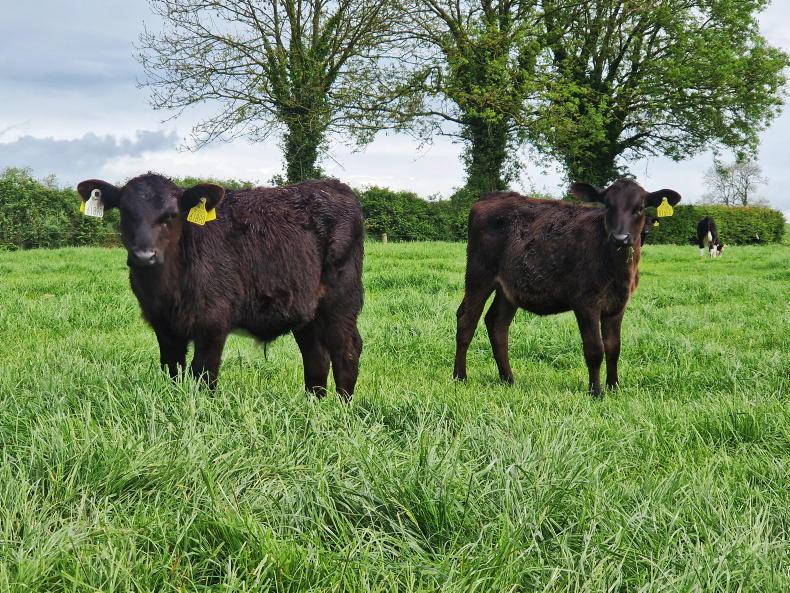
The return from feeding creep or concentrates to weanlings has arguably never been as strong given the high-value of weanlings, performance boost attainable and the fact that there is a payment of €35 per head on offer through the 2025 National Beef Welfare Scheme (NBWS). This scheme is closing for applications on 24 September 2025.
The economics of feeding stack up positively, particularly for top-quality weanling bulls. Feeding levels will be dictated by the type of bull being fed, the plan for such animals and the facilities available for feeding.
Where offered ad lib a bull at six to seven months of age will consume in the region of 3kg to 4kg daily once accustomed to feed. This will be influenced by the amount and quality of grass available and the cow’s milk yield.
Taking a six-week feeding level to comply with the NBWS, this equates to 126kg to 168kg feed being consumed as detailed in Table 1. Such feeding levels are amenable where feeding high-quality weanlings for sale with such animals laying down muscle over fat, or where bulls are being fed on for finishing at less than 16 months of age.
Feeding such quantities of concentrates where weanlings are being retained on farm and stored over the winter is not recommended.
This advice also goes for plainer-quality or weanlings prone to laying down excessive fat with feeding rates of 1kg to 2kg daily more suitable. This is especially applicable to heifer weanlings.
The cost of feed can vary greatly depending on the type of concentrate and the manner in which it is purchased. For example, a simple three- or- four-way high-quality mix purchased in bulk form will be much cheaper than cooked or crunch weanling rations.
The cost implications can be significant as detailed in Table 1 with substantial savings achievable where large volumes are being fed to a high number of stock.
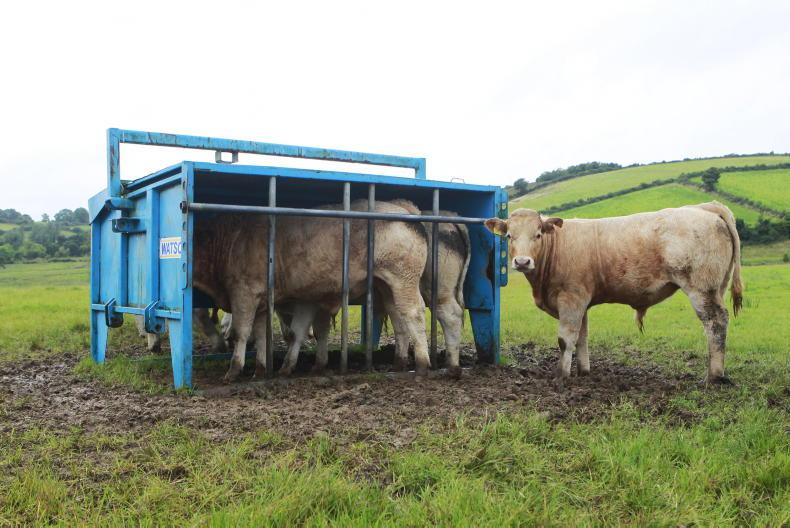
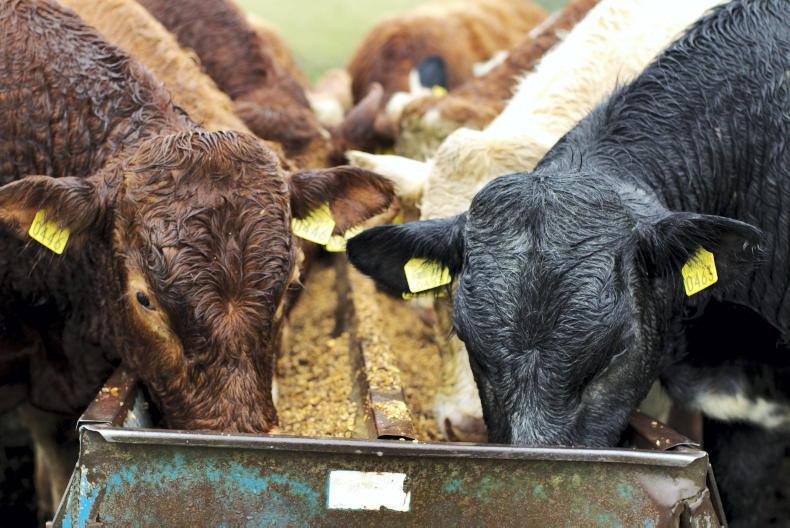
Ad-lib creep feeders are convenient but limit management of feeding rates.
Value of gain
Young animals are efficient converters of concentrates to liveweight gain with conversion rate of 5kg concentrates to 1kg liveweight gain possible.
Table 2 shows the value per head of three different levels of liveweight gain based on feeding 2kg, 3kg and 4kg of concentrates daily over a six- week period.
As can be seen, the value of gain reduces significantly as the quality of animals being fed decreases.
Where you are feeding good-quality bulls suitable for export or the top end of the domestic market, each kilogramme of liveweight is worth in excess of €6/kg at current sales values. The value of weanling heifers is trending 30c/kg to 40c/kg below weanling bulls.
Therefore, the best return on investment irrespective of the liveweight gain is for the best-quality animals. If we take a top-quality bull consuming 3kg of concentrates at a cost of €350/t, this will cost €44.10 over the six weeks.
The value of gain will be in the region of €161 giving a return on investment of over €115 per head. Add in the €35 payment from the NBWS and the return rises to €150 per head. This is admittedly one of the best-case scenarios but there is still the prospect of delivering a return on investment of in excess of €80 per head where feeding lower volumes to plainer-quality types.
The above analysis also does not take account of the health benefits in terms of boosting immunity, reducing stress at weaning and leaving animals easier to handle.
Feeding options
The positive return on investment should also allow farmers to invest in facilities to make feeding more straightforward.
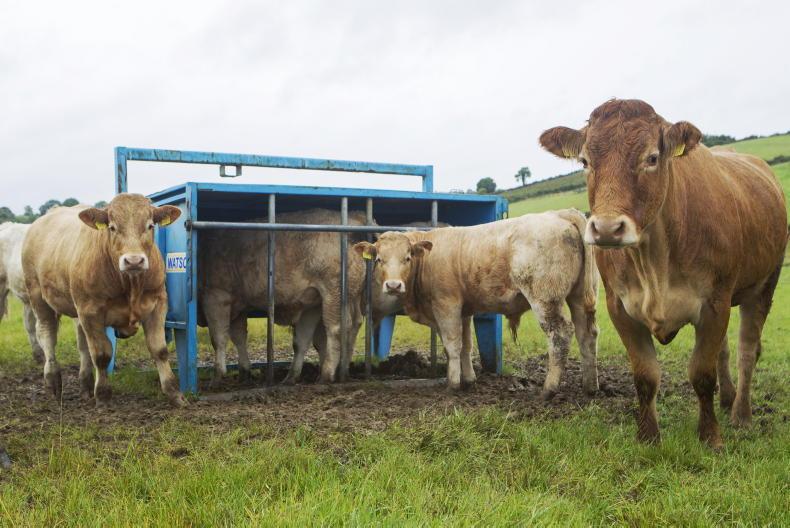
A creep feeder similar to that shown on the opposite page is probably the most straightforward option for many. It facilitates easy feeding, meal can be filled for a period of time and the feeder can be moved as animals move.
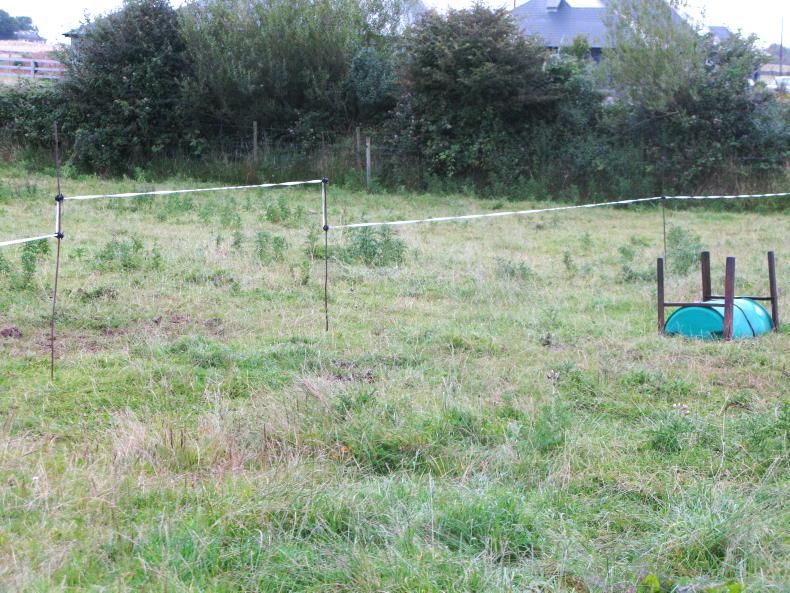
A raised wire section allowing calves to creep graze ahead of cows.

A creep feeding/grazing option demonstrated at the Abbey Farm, Greenmount.

Creep feeding being provided by means of simply raising the electric wire with two PVC horse posts.
However, there are some downsides with such a feeding system too. It is difficult to control feeding levels unless a small number of animals are being fed.
The strongest animals typically bully their way to feed and this can reduce volumes available to other animals. Galvanised feeders cost anywhere from €1,400 to upwards of €2,000 including VAT, depending on the spec.
Creep gates
Creep feeding gates are a good option where lands are adjacent and animals are moving from field to field.

Another option of an adjustable field creep gate.
The photo above has been on the go for many years and is from the Teagasc / Irish Farmers Journal BETTER Farm Programme over 10 years ago but remains every bit as applicable today.
A number of companies are manufacturing similar gates now with adjustable openings. Some such gates have spring-loaded pipe sections to allow for quick and easy adjustment while upright pipe sections that rotate facilitate easier movement of calves through the gate.
While others have an extendable gate section that can be made narrower or wider. Costs of such gates are typically in the region of €230 to €300.
Some gates come in a five or six foot gate which can be secured to the existing field gate and the gate post and are a similar cost.
These can work well where animals are on the move regularly and the gate needs to be moved. They allow the level of feed offered to be monitored closely.
There are also numerous examples of homemade gates such as that shown here.
The cost of these types of gates again depends on the steel used and cost of labour. It is important with all gates to ensure they are secured robustly to posts.

An example of a homemade creep gate.
Fencing options
There are also lots of simple fencing options that work well in facilitating creep feeding and creep grazing. Many farmers working a system of electric fencing simply raise the electric wire with PVC horse posts or by raising the wire on two stakes.
The downside with such options is that it can take calves some time to get accustomed to the system
While a mix between a creep gate and a fencing option is also shown and was taken in Greenmount farm a few years ago.
The downside with such options is that it can take calves some time to get accustomed to the system.
The voltage in the fence also needs to be good to prevent cows from testing the fence or young homebred first or second calvers which may have been crept forward in the past.
The return from feeding creep or concentrates to weanlings has arguably never been as strong given the high-value of weanlings, performance boost attainable and the fact that there is a payment of €35 per head on offer through the 2025 National Beef Welfare Scheme (NBWS). This scheme is closing for applications on 24 September 2025.
The economics of feeding stack up positively, particularly for top-quality weanling bulls. Feeding levels will be dictated by the type of bull being fed, the plan for such animals and the facilities available for feeding.
Where offered ad lib a bull at six to seven months of age will consume in the region of 3kg to 4kg daily once accustomed to feed. This will be influenced by the amount and quality of grass available and the cow’s milk yield.
Taking a six-week feeding level to comply with the NBWS, this equates to 126kg to 168kg feed being consumed as detailed in Table 1. Such feeding levels are amenable where feeding high-quality weanlings for sale with such animals laying down muscle over fat, or where bulls are being fed on for finishing at less than 16 months of age.
Feeding such quantities of concentrates where weanlings are being retained on farm and stored over the winter is not recommended.
This advice also goes for plainer-quality or weanlings prone to laying down excessive fat with feeding rates of 1kg to 2kg daily more suitable. This is especially applicable to heifer weanlings.
The cost of feed can vary greatly depending on the type of concentrate and the manner in which it is purchased. For example, a simple three- or- four-way high-quality mix purchased in bulk form will be much cheaper than cooked or crunch weanling rations.
The cost implications can be significant as detailed in Table 1 with substantial savings achievable where large volumes are being fed to a high number of stock.

Ad-lib creep feeders are convenient but limit management of feeding rates.
Value of gain
Young animals are efficient converters of concentrates to liveweight gain with conversion rate of 5kg concentrates to 1kg liveweight gain possible.
Table 2 shows the value per head of three different levels of liveweight gain based on feeding 2kg, 3kg and 4kg of concentrates daily over a six- week period.
As can be seen, the value of gain reduces significantly as the quality of animals being fed decreases.
Where you are feeding good-quality bulls suitable for export or the top end of the domestic market, each kilogramme of liveweight is worth in excess of €6/kg at current sales values. The value of weanling heifers is trending 30c/kg to 40c/kg below weanling bulls.
Therefore, the best return on investment irrespective of the liveweight gain is for the best-quality animals. If we take a top-quality bull consuming 3kg of concentrates at a cost of €350/t, this will cost €44.10 over the six weeks.
The value of gain will be in the region of €161 giving a return on investment of over €115 per head. Add in the €35 payment from the NBWS and the return rises to €150 per head. This is admittedly one of the best-case scenarios but there is still the prospect of delivering a return on investment of in excess of €80 per head where feeding lower volumes to plainer-quality types.
The above analysis also does not take account of the health benefits in terms of boosting immunity, reducing stress at weaning and leaving animals easier to handle.
Feeding options
The positive return on investment should also allow farmers to invest in facilities to make feeding more straightforward.
A creep feeder similar to that shown on the opposite page is probably the most straightforward option for many. It facilitates easy feeding, meal can be filled for a period of time and the feeder can be moved as animals move.
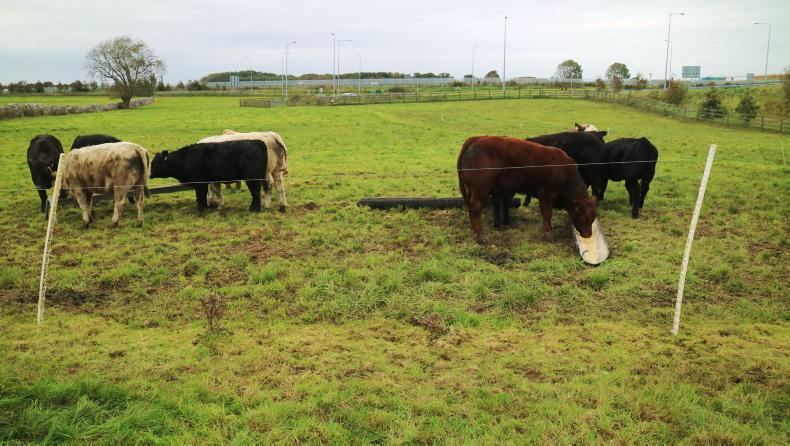
A raised wire section allowing calves to creep graze ahead of cows.

A creep feeding/grazing option demonstrated at the Abbey Farm, Greenmount.

Creep feeding being provided by means of simply raising the electric wire with two PVC horse posts.
However, there are some downsides with such a feeding system too. It is difficult to control feeding levels unless a small number of animals are being fed.
The strongest animals typically bully their way to feed and this can reduce volumes available to other animals. Galvanised feeders cost anywhere from €1,400 to upwards of €2,000 including VAT, depending on the spec.
Creep gates
Creep feeding gates are a good option where lands are adjacent and animals are moving from field to field.
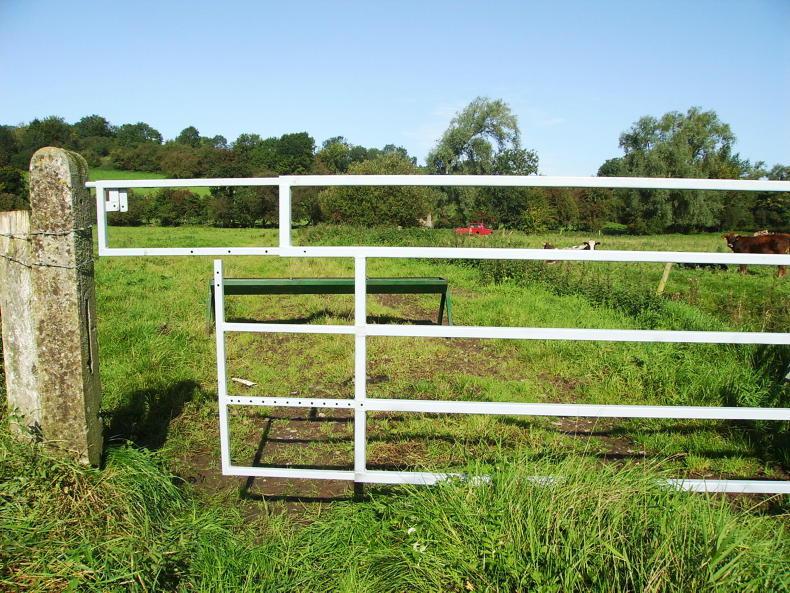
Another option of an adjustable field creep gate.
The photo above has been on the go for many years and is from the Teagasc / Irish Farmers Journal BETTER Farm Programme over 10 years ago but remains every bit as applicable today.
A number of companies are manufacturing similar gates now with adjustable openings. Some such gates have spring-loaded pipe sections to allow for quick and easy adjustment while upright pipe sections that rotate facilitate easier movement of calves through the gate.
While others have an extendable gate section that can be made narrower or wider. Costs of such gates are typically in the region of €230 to €300.
Some gates come in a five or six foot gate which can be secured to the existing field gate and the gate post and are a similar cost.
These can work well where animals are on the move regularly and the gate needs to be moved. They allow the level of feed offered to be monitored closely.
There are also numerous examples of homemade gates such as that shown here.
The cost of these types of gates again depends on the steel used and cost of labour. It is important with all gates to ensure they are secured robustly to posts.
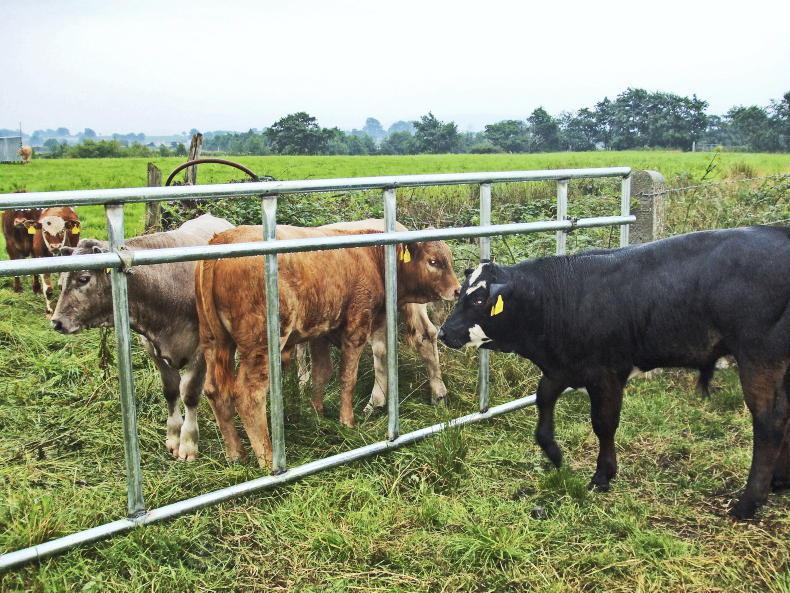
An example of a homemade creep gate.
Fencing options
There are also lots of simple fencing options that work well in facilitating creep feeding and creep grazing. Many farmers working a system of electric fencing simply raise the electric wire with PVC horse posts or by raising the wire on two stakes.
The downside with such options is that it can take calves some time to get accustomed to the system
While a mix between a creep gate and a fencing option is also shown and was taken in Greenmount farm a few years ago.
The downside with such options is that it can take calves some time to get accustomed to the system.
The voltage in the fence also needs to be good to prevent cows from testing the fence or young homebred first or second calvers which may have been crept forward in the past.
SHARING OPTIONS