



Like many areas in the midlands and north west, land type is difficult with low-lying areas hard to manage during times of high rainfall.
This summer that difficulty was long forgotten with a textbook year weather wise leaving good grass growth and grazing management a lot easier in 2025.
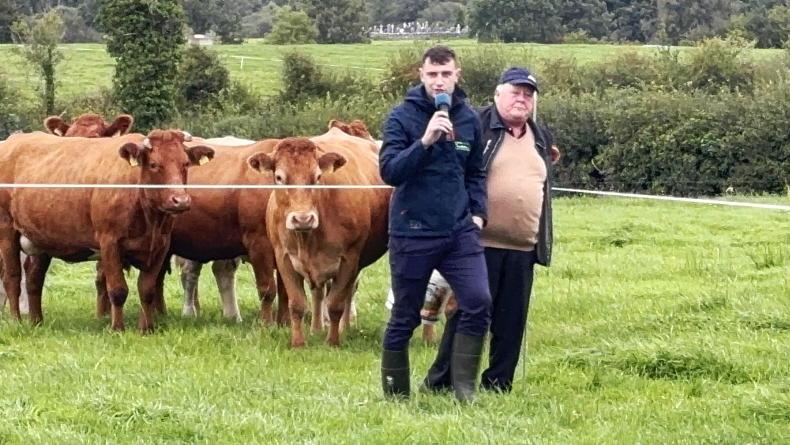
Longford based Teagasc advisor Nathan McCartan led the local Teagasc team on the night.
Breeding
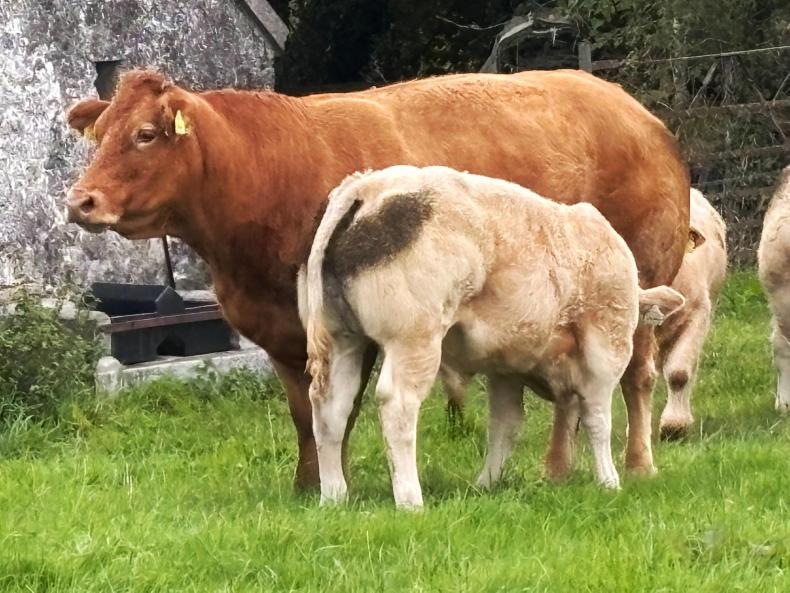
Sean likes to keep things simple and doesn’t bother with breeding replacements on the farm. Like many smaller-scale suckler farmers he runs one bull and on this farm it’s a terminal Charolais bull.
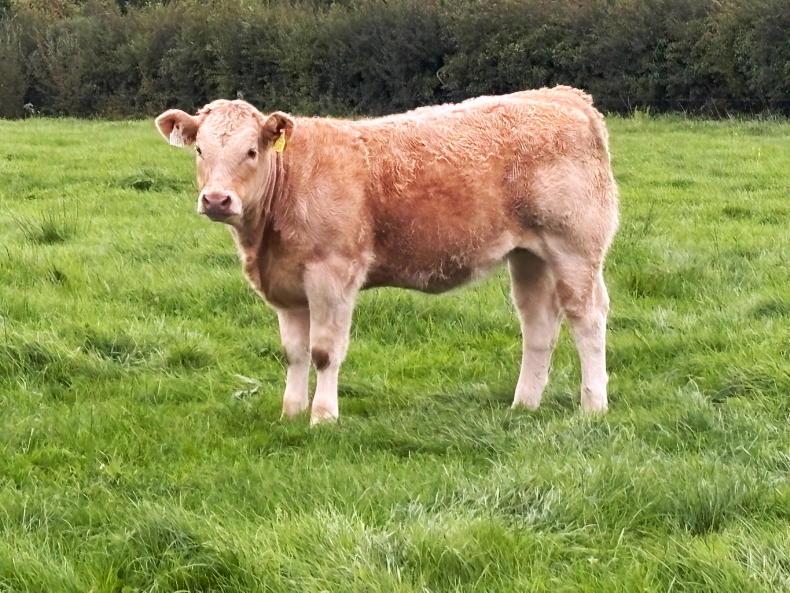
“ I’m very happy with the calves that the bull is breeding so I don’t want the hassle of having to change him or keep back heifers from him. It’s a lot simpler when you can sell everything and concentrate on producing good-quality weanlings without having to worry about breeding replacements,” he said.
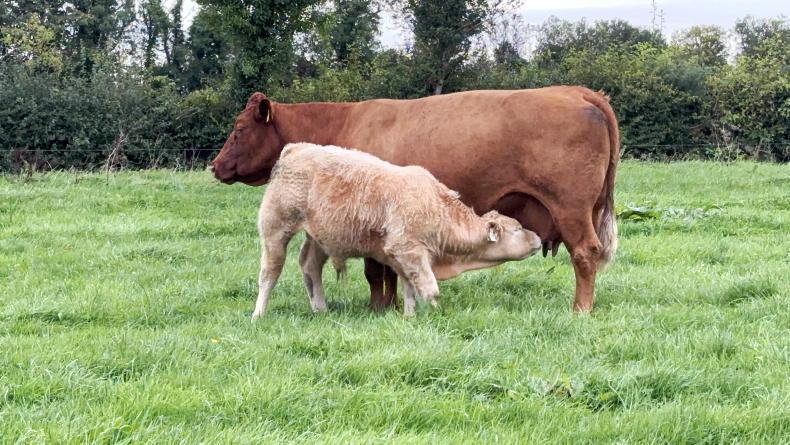
The majority of Sean’s cows have Limousin breeding with a good few of his cows red Limousins with some Simmental breeding mixed through a few of them. Cows calve from Feb-April every year.
Sean is a participant in the Suckler Carbon Efficiency Programme (SCEP) and is ahead of target in terms of meeting the 50% deadline in Year 3 of the scheme.
Participants need to have 50% of the reference number of cows genotyped four or five-star on the replacement index in their herd on 31 October 2025.
Sean’s reference number was 18 cows so he needs to have eleven four or five-star heifers/cows in his herd on 31 October 2025 . He currently has 15 and so he is ahead of target.
Beef Welfare Scheme
There were a number of questions on the night about the Beef Welfare Scheme, especially around some of the new actions included in the 2025 scheme.
Action 1 is as it was last year and participants must introduce meal feeding for a period of four weeks pre weaning and two weeks post weaning to reduce the stress on calves at weaning time.
Action 2 is the vaccination option and it’s also similar to last years scheme.
If applicants select the vaccination option participants must implement a vaccination programme against clostridial diseases and/or calf pneumonia in suckler calves and record details of the vaccination.
Action 3 is new for 2025 and attracts a payment of €25/calf up to a maximum of 45 eligible calves in the herd.
If action 3 is selected participants must select either faecal testing or forage testing, one or the other and not both.
Participants must carry out two faecal tests (a minimum of 4 weeks apart for specified parasites and submit to an approved lab for testing.
If the forage sampling option is chosen, they must take three forage samples and submit for testing. Table 1 outlines the payment rates under the scheme.
Applications must be made on agfood.ie and the closing date for applications is Wednesday 24 December
Creep feeding
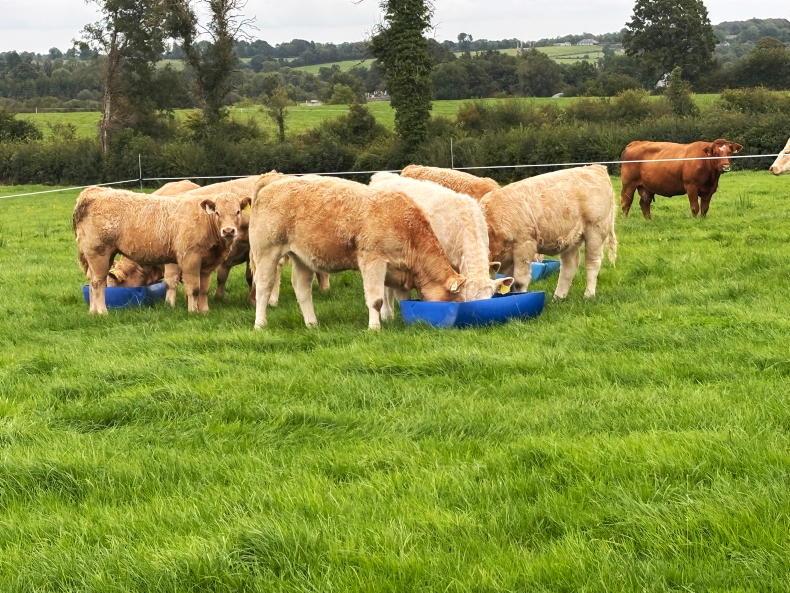
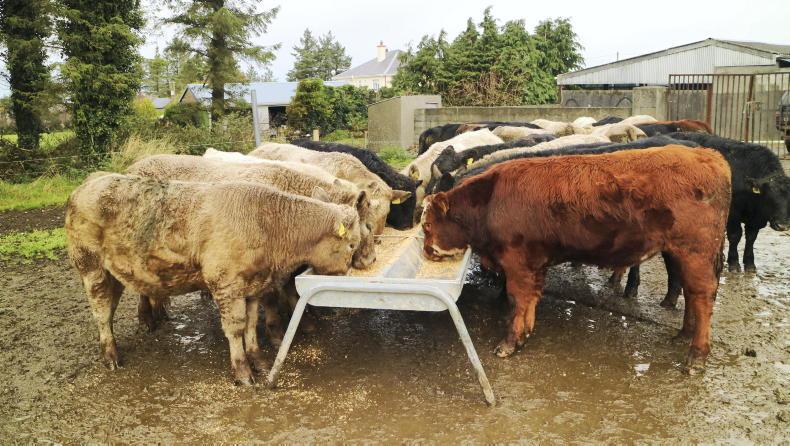
“I’m a participant in the Beef Welfare Scheme but I’d be creep feeding the weanlings anyway regardless of the scheme. I used to use creep feeders for the calves but I was chatting to local Teagasc advisor Shane Devaney one day and he told me about raising the fence to let the calves into the next paddock,” said Sean.
“I tried it and never looked back. Feeding in creep feeders gets messy at this time of year and you have to hook up the feeder every time you want to move it so there’s none of that with this system.”
Trade outlook
Local man Joseph Reilly and Granard mart manager gave an outlook for the autumn trade on the night and he was very positive about the next few months. “We’ve seen farmers getting more and more active in the last few weeks and in many cases now the farmer is taking out the exporters for the good weanlings.
“I’m also getting a lot of calls about suckler replacement heifers. There seems to a bigger interest than before and I suppose the weanling prices are driving that. Factory agents are also very active for heavy cattle with a lot of them just looking for weight”
Health
Local vet Harry Ferguson talked about health issues as we come into the back end of the year with particular reference to keeping weanlings healthy. “Its all about stress and keeping weanlings stress-free for the next few months.
“Weaning is a big stressor, housing is a big stressor and the mart can be a stressful time on animals also so its about trying to eliminate that if possible,” said Harry.
He added that vaccination has a role to play in that. “Sometimes people talk about the cost of vaccination being a prohibitive factor, but if you take two shots of an RSV/PI3 vaccine costing in the region of €15/head and an IBR single shot vaccine costing €5/head, it’s a relatively low cost in terms of overall weanling value this year in particular.”




SHARING OPTIONS