Low grazing availability and heavy acorn fall has led to higher risks on farm. Farmers are urged to monitor pastures and act fast.
ADVERTISEMENT
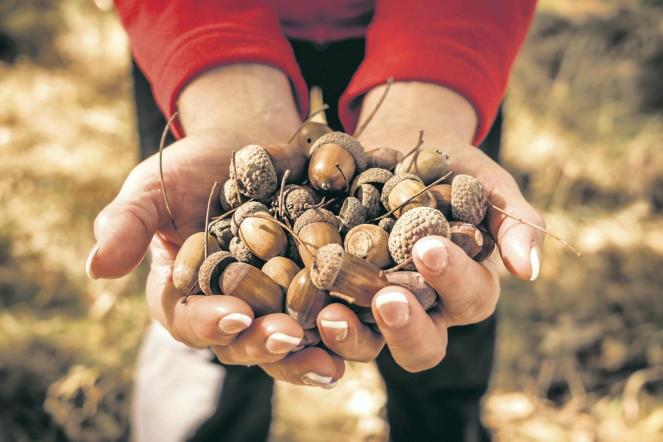
For the first time in many years, the Agri-Food and Biosciences Institute (AFBI) has confirmed it has recorded deaths in sheep due to oak toxicity following ingestion of large numbers of acorns.
The recent AFBI cases involved two- to three-year-old ewes.
Clinical signs typically appear three to seven days after acorn ingestion and include dullness, anorexia, abdominal pain, initial constipation, progressing to diarrhoea, jaundice and frequent urination.
ADVERTISEMENT
Heavy exposure to acorns or oak leaves can cause sudden death. Survivors may develop renal and liver failure, leading to persistent thirst, jaundice, and poor condition.
If acorn toxicity is suspected, the advice from AFBI is to remove sheep or cattle from affected pastures or block access to acorns.
Where alternative grazing isn’t available, supplementary feed should be offered to reduce acorn intake.
Register for free to read this story and our free stories.
This content is available to digital subscribers and loyalty code users only. Sign in to your account, use the code or subscribe to get unlimited access.
The reader loyalty code gives you full access to the site from when you enter it until the following Wednesday at 9pm. Find your unique code on the back page of Irish Country Living every week.
CODE ACCEPTED
You have full access to the site until next Wednesday at 9pm.
CODE NOT VALID
Please try again or contact support.
For the first time in many years, the Agri-Food and Biosciences Institute (AFBI) has confirmed it has recorded deaths in sheep due to oak toxicity following ingestion of large numbers of acorns.
The recent AFBI cases involved two- to three-year-old ewes.
Clinical signs typically appear three to seven days after acorn ingestion and include dullness, anorexia, abdominal pain, initial constipation, progressing to diarrhoea, jaundice and frequent urination.
Heavy exposure to acorns or oak leaves can cause sudden death. Survivors may develop renal and liver failure, leading to persistent thirst, jaundice, and poor condition.
If acorn toxicity is suspected, the advice from AFBI is to remove sheep or cattle from affected pastures or block access to acorns.
Where alternative grazing isn’t available, supplementary feed should be offered to reduce acorn intake.
If you would like to speak to a member of our team, please call us on 01-4199525.
Link sent to your email address
We have sent an email to your address. Please click on the link in this email to reset your password. If you can't find it in your inbox, please check your spam folder. If you can't find the email, please call us on 01-4199525.
ENTER YOUR LOYALTY CODE:
The reader loyalty code gives you full access to the site from when you enter it until the following Wednesday at 9pm. Find your unique code on the back page of Irish Country Living every week.







SHARING OPTIONS