



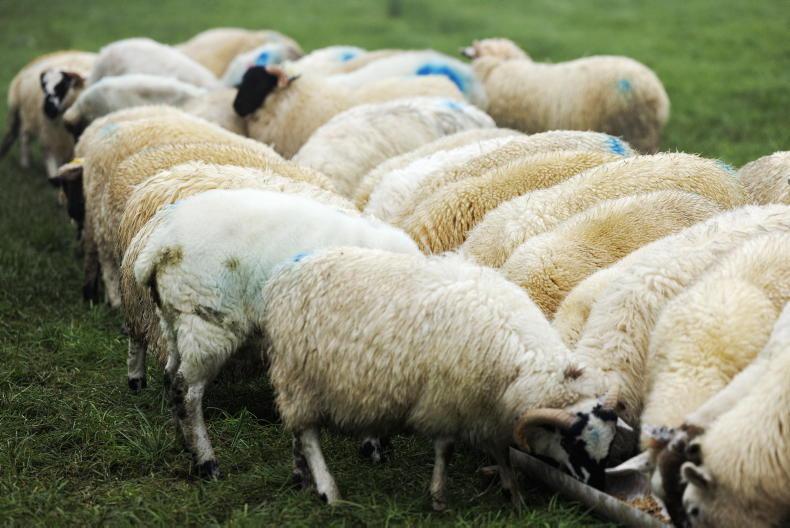
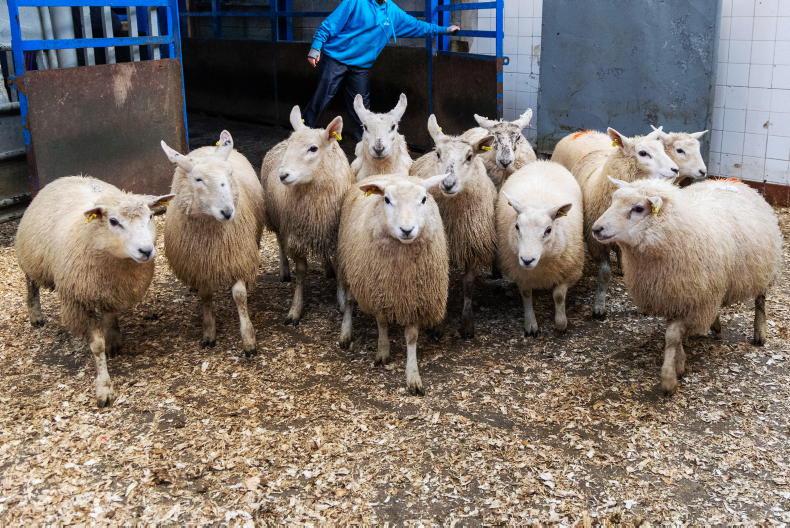
With lots of grass on farms, store lamb sales are off to a positive start, with prices up £20 to £30 year-on-year.
Demand for the short-term keep lambs is high, with 36kg to 38kg making 685p to 705p/kg, which equates to £125 to £130/head.
Lambs closer to 28kg to 30kg are returning prices of £115 and above, particularly for those out of terminal sires.
Setting a budget
Good-quality store lambs can gain in the region of 150g to 200g daily on well-managed grass paddocks until the end of September, provided weather conditions are good.
As we move further into the autumn, the dry matter of grass reduces, resulting in a lower liveweight gain being achieved from a grass-based only diet. In late autumn, weight gains of 0.75kg to 1.25kg/week are a more realistic target, with hill-bred lambs easing back towards 0.5kg to 1kg/week. Feeding concentrate will help maintain weight gain, as grass quality and supply declines throughout the autumn, as well as help put a fat cover on lambs.
Example
In our example, a farmer purchases 50 crossbred store lambs on 4 September to graze 10 acres of silage aftergrass.
Lambs are bought at 18kg half weight and cost 695p/kg, which is £125/head. Target drafting weight is 50kg, with kill out percentage at 42% to yield a 21kg carcase.
The animals average 1.25kg/week from purchase to 30 September from a grass only diet. From 1 October, 0.25kg/day of concentrate is offered, costing £305/t, with gain at 1.1kg/week.
Lambs will reach their target weight at the beginning of December. Assuming 63 days of concentrate feeding, 15.75kg of concentrate is consumed per lamb at a cost of £4.80.
The 10-acre field receives 27 units per acre of CAN, costing £370/t, meaning grazing costs come to £185, or £3.70/head. There is also an oral drench to kill parasites in lambs when they enter the farm, costing £1/head.
Purchase and input costs come to £134.50. A factory price of 640p/kg for a 21kg lamb carcase is required to break even.
If factoring in a £20 profit margin per head, the farmer will need to receive at least 736p/kg when the lambs are slaughtered. At current factory quotes of 660p/kg, farmers could expect to achieve a margin of £4.30/head.
Considerations
This example assumes that all lambs can achieve high levels of weight gain from grazed grass and that there are no additional veterinary costs or mortality within the purchased lambs.
However, it is important to consider mortality issues, and the aim should be to keep the mortality rate below 2%. Vaccination against clostridial diseases may be necessary.
There is scope to lower feed costs by offering concentrate in a blend rather than pellets. However, this can lead to increased wastage.



SHARING OPTIONS