The two industry-led bodies tasked with managing programmes to eradicate Bovine Viral Diarrhoea (BVD) on either side of the Irish border have outlined their determination to “finish this once and for all”.
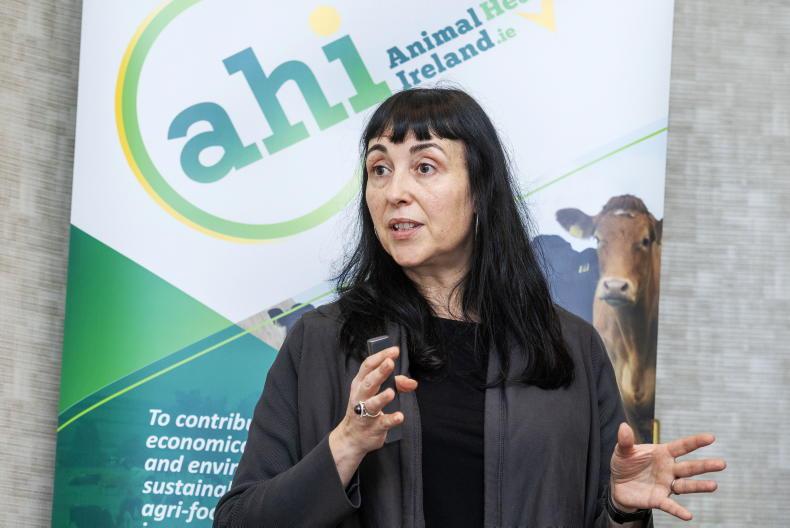
At a joint meeting held in Keady on Tuesday night, Dr Maria Guelbenzu from Animal Health Ireland acknowledged the “tremendous effort” put in by farmers over the last 10 years, but pointed to a recent flatlining in the numbers.
“We just need to give it the last push and get rid of BVD on both sides of the border,” she said.
Since compulsory testing was introduced in NI back in 2016, there has been a “fantastic” drop off in numbers of cattle persistently infected (PI) with the disease, added Sharon Verner from Animal Health and Welfare NI (AHWNI). In 2018, there were around 1,300 PIs alive on NI farms on any one day – that figure stands at between 50 and 100 now.
However, rates of disease remain much higher in NI than in the Republic, with cases spread across all NI counties, but particular hotspot areas in east Fermanagh and south Armagh.
“Since 2023, the programme has basically stagnated unfortunately. It has bottomed out, so more needs to be done,” she said.
On 1 February 2025, DAERA initiated a process to phase in new controls on BVD herds and since 1 February 2026 an immediate movement restriction is put on herds with a positive or inconclusive test result – these herds cannot move cattle in or out except to direct slaughter.
The final part of this DAERA process is happening from 1 June 2026, when herds with five or more untested animals aged over 30 days will have movement restrictions applied.
“These herd restrictions have been a big development for us and affect associated herds as well. It is going to take a while to see the benefits of this, but they are going to come,” said Verner.
At the meeting on Tuesday, a Fermanagh vet outlined how a recent spike in cases in his area has impacted clients – not only have they had to cull young calves, they have been hit with new movement restrictions as well. “I have seen grown men cry. They were left in complete shock,” he said.
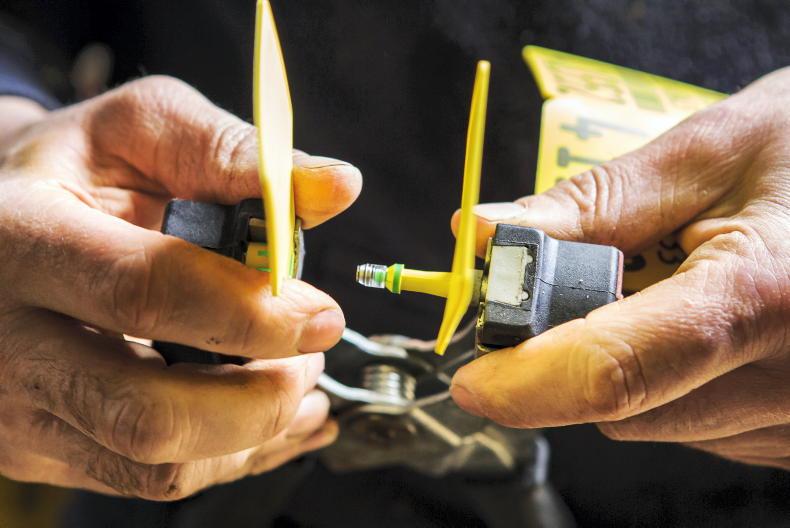
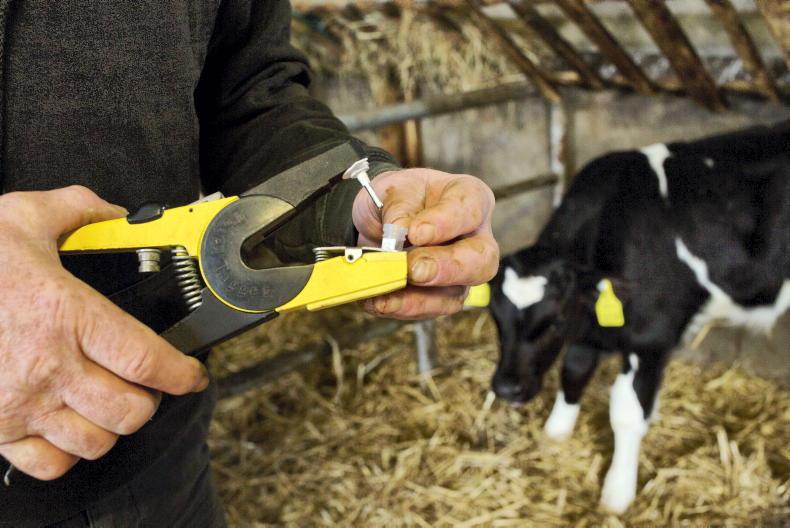
He maintained that a big drop off in use of BVD vaccine has created a lot of naïve herds which could be badly impacted by exposure to a PI animal and urged farmers to act quicker, both when tagging newborn animals and when a positive BVD result is seen.
Ends
PI calves are ‘virus factories’
Calves persistently infected with BVD are “virus factories” which can have a devastating impact on herds, particularly those with limited exposure to the disease in recent years, said Sharon Verner from AHWNI.
The impacts of exposure to the disease in a naïve herd are increased rates of pneumonia and scours, poorer herd fertility and increased susceptibility to other diseases. Death rates increase, including in adult cattle.
“What we are also encountering now in NI is so many of the PI calves don’t have any signs of disease at the start. We are told the calf is the best of the year, yet a positive result is coming back,” she said.
The two industry-led bodies tasked with managing programmes to eradicate Bovine Viral Diarrhoea (BVD) on either side of the Irish border have outlined their determination to “finish this once and for all”.
At a joint meeting held in Keady on Tuesday night, Dr Maria Guelbenzu from Animal Health Ireland acknowledged the “tremendous effort” put in by farmers over the last 10 years, but pointed to a recent flatlining in the numbers.
“We just need to give it the last push and get rid of BVD on both sides of the border,” she said.
Since compulsory testing was introduced in NI back in 2016, there has been a “fantastic” drop off in numbers of cattle persistently infected (PI) with the disease, added Sharon Verner from Animal Health and Welfare NI (AHWNI). In 2018, there were around 1,300 PIs alive on NI farms on any one day – that figure stands at between 50 and 100 now.
However, rates of disease remain much higher in NI than in the Republic, with cases spread across all NI counties, but particular hotspot areas in east Fermanagh and south Armagh.
“Since 2023, the programme has basically stagnated unfortunately. It has bottomed out, so more needs to be done,” she said.
On 1 February 2025, DAERA initiated a process to phase in new controls on BVD herds and since 1 February 2026 an immediate movement restriction is put on herds with a positive or inconclusive test result – these herds cannot move cattle in or out except to direct slaughter.
The final part of this DAERA process is happening from 1 June 2026, when herds with five or more untested animals aged over 30 days will have movement restrictions applied.
“These herd restrictions have been a big development for us and affect associated herds as well. It is going to take a while to see the benefits of this, but they are going to come,” said Verner.
At the meeting on Tuesday, a Fermanagh vet outlined how a recent spike in cases in his area has impacted clients – not only have they had to cull young calves, they have been hit with new movement restrictions as well. “I have seen grown men cry. They were left in complete shock,” he said.
He maintained that a big drop off in use of BVD vaccine has created a lot of naïve herds which could be badly impacted by exposure to a PI animal and urged farmers to act quicker, both when tagging newborn animals and when a positive BVD result is seen.
Ends
PI calves are ‘virus factories’
Calves persistently infected with BVD are “virus factories” which can have a devastating impact on herds, particularly those with limited exposure to the disease in recent years, said Sharon Verner from AHWNI.
The impacts of exposure to the disease in a naïve herd are increased rates of pneumonia and scours, poorer herd fertility and increased susceptibility to other diseases. Death rates increase, including in adult cattle.
“What we are also encountering now in NI is so many of the PI calves don’t have any signs of disease at the start. We are told the calf is the best of the year, yet a positive result is coming back,” she said.

SHARING OPTIONS