Over 25 years ago when the first half dozen students turned up at Greenmount to undertake a new 4-year Agricultural Technology degree awarded by Queen’s University Belfast (QUB), there was a lot of effort put in to ensuring they received the best possible education.
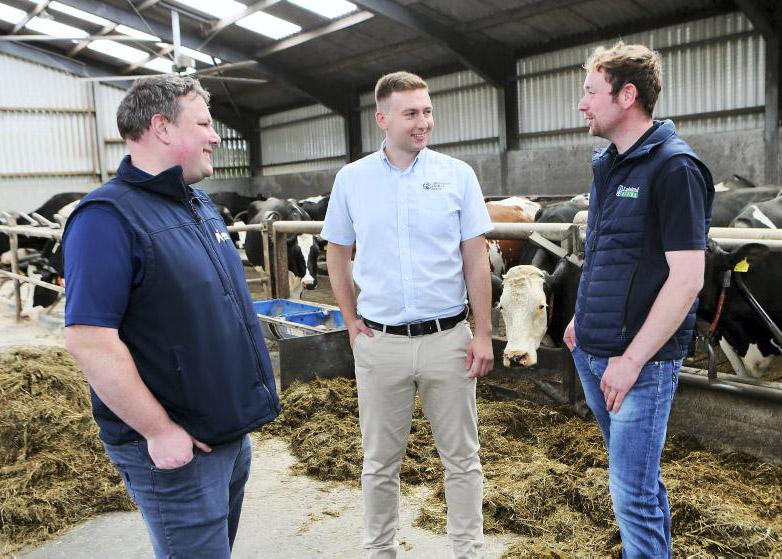
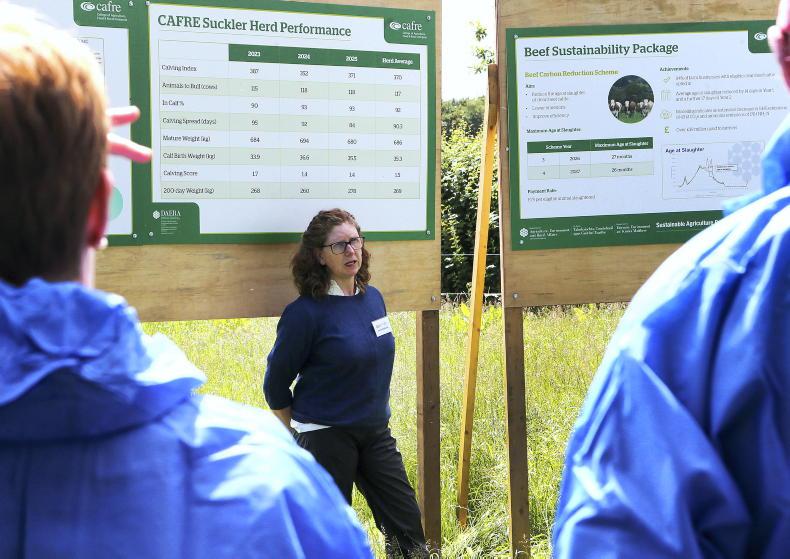
The first two years would be spent at CAFRE Greenmount, followed by a year of placement and a final year at QUB’s main campus in Belfast. What Greenmount was able to provide, over and above previous QUB agriculture degrees, was exposure to practical farming issues involving management of dairy, beef and sheep enterprises at the college.
The recent confirmation from QUB that September 2025 will see the final intake of students on to the Agricultural Technology degree brings to an end that long running partnership with CAFRE. Over the years it has produced excellent students, including many who now run successful farm businesses.
However, sometimes a fresh perspective is required and it is understood that Queen’s intends coming forward with a new degree in agricultural sciences, to start in September 2026.
While Queen’s will want to develop its own content, it is important to remember the positives from the CAFRE relationship, particularly around the need to teach the fundamentals of production agriculture in NI.
Prior to the Agricultural Technology degree, previous QUB degree programmes were mainly delivered by researchers based at AFBI Hillsborough and AFBI Newforge Lane. These were people who understood practical farming, yet were at the cutting edge of production based research relevant to NI farmers. It was a dynamic mix.
Time moves on, but ultimately we need young people coming into our industry with a strong background in science, who know about local agriculture and have an open and questioning mind.
Hopefully the new Queen’s course can deliver that. In the meantime, it is worth remembering that at Greenmount and AFBI Hillsborough we have resources and facilities the envy of colleges and research bodies around the UK. It would be wrong if agriculture students from our top university are not widely exposed to both.