



There is no such thing as waste. Everything can be reused as an ingredient, material or substrate. Creating value-added materials from by-products is the foundation of the bioeconomy.
Ireland’s bioeconomy sector is expanding rapidly, with support focused on biomethane, seaweed, bioplastics, timber products and food-waste recycling.
The National Bioeconomy Action Plan aims to create rural jobs and reduce emissions through renewable biological resources. More than €23.6 million has been committed through Government and EU-backed programmes, including the Shared Island Bioeconomy Programme, the Lisheen Bioeconomy Facility and new demonstration projects.
The All-Island Bioeconomy Summit took place last week in Meath, bringing together industry leaders to discuss the sector’s growth and future opportunities.
Here are some of the key themes from the conference.
Northern Ireland’s poultry sector has been a major farming success story, but the growth in poultry manure has created significant environmental challenges.
While poultry litter is a valuable fertiliser, excess nutrients have contributed to phosphorus build-up in soils, nutrient runoff into waterways and ammonia emissions affecting sensitive ecosystems.
Speaking at the event, Stream BioEnergy outlined how large-scale waste-to-energy projects could help address the problem.
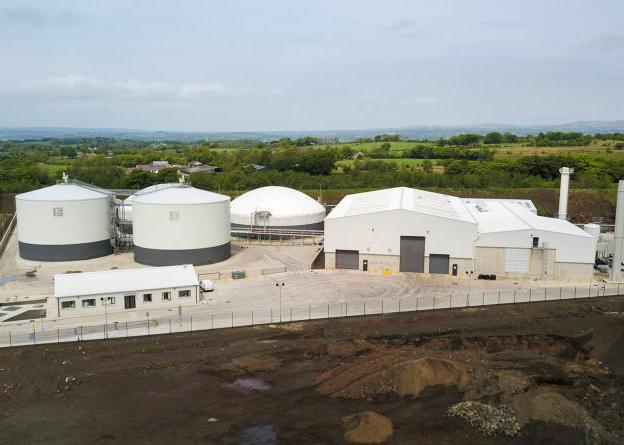
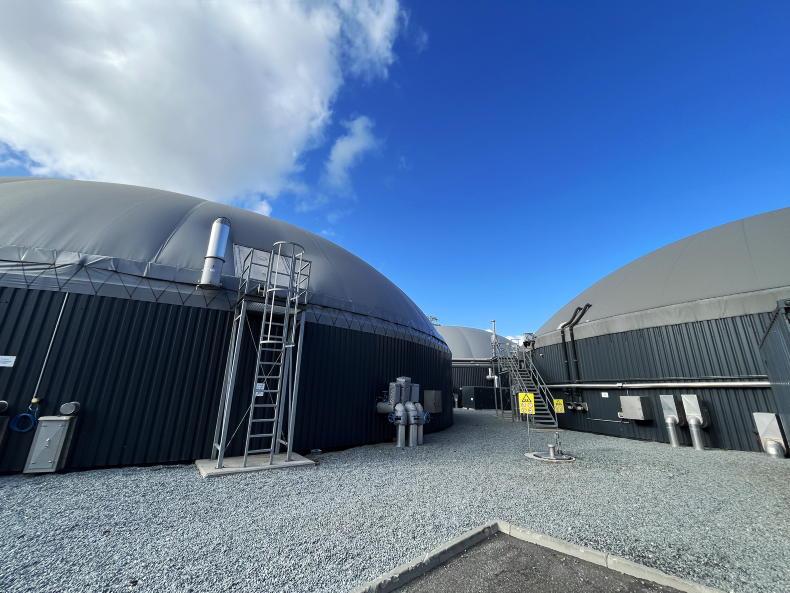
Chief operating officer Morgan Burke said the company’s Tully Biogas Plant outside Ballymena, open since 2017, is one of the few facilities globally capable of processing 100% poultry litter through anaerobic digestion.
Problems
Conventional anaerobic digestion plants typically use poultry litter for only 10% to 25% of feedstock because of its high nitrogen content, which can destabilise digestion systems. Stream BioEnergy developed a nitrogen stripping process that allows poultry litter to be processed independently while recovering nutrients for fertiliser products.
The Tully facility processes up to 50,000 tonnes of poultry litter annually, supplied by Pilgrim’s Europe, , and generates enough renewable electricity to power around 4,000 homes.
Expansion
The company is planning a second-phase expansion to process an extra 100,000 tonnes annually, with construction expected to begin this year and operations targeted for 2028.
Unlike the existing facility, the expansion will produce biomethane for injection into the gas network. Burke said the first phase could replace around 2.5% of Northern Ireland’s imported natural gas demand.
More than 300,000 tonnes of poultry manure are produced annually in Northern Ireland, with decades of landspreading contributing to environmental pressures.
The anaerobic digestion process separates nutrients into biofertiliser products, with phosphorus used in horticultural fertiliser and peat replacement products, while recovered ammonia is converted into liquid fertiliser.
According to Stream BioEnergy, the expanded facility could cut ammonia emissions from poultry litter spreading by up to two thirds, remove around 1,500 tonnes of phosphorus from agriculture annually and reduce greenhouse gas emissions by about 60,000 tonnes of CO2 equivalent each year.
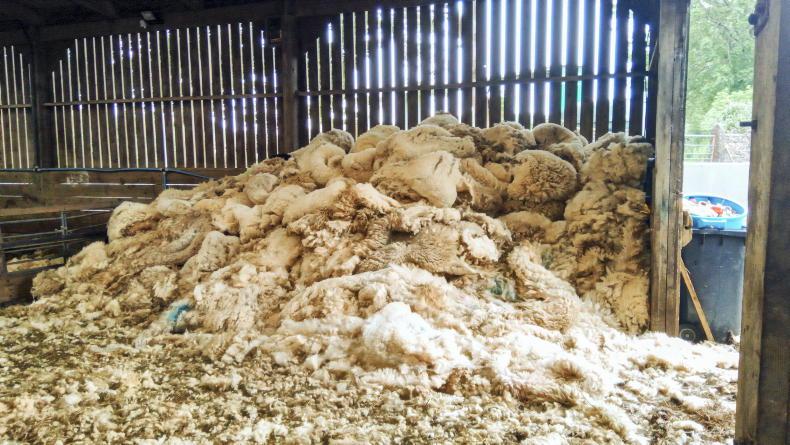
Sheep farmer Blátnaid Gallagher has called for greater recognition of wool as a sustainable biofibre, warning that Irish farmers are continuing to lose money from wool production despite growing international demand for natural materials.
Speaking at a bioeconomy event, the co-founder of the Galway Wool Co-op said Ireland produces between 8,000 and 12,000 tonnes of wool annually from a national flock of almost four million sheep. However, much of that wool is exported abroad for processing while Ireland imports millions of euro worth of wool products each year.
Gallagher said farmers can pay between €2.50 and €5 per sheep for shearing, while receiving as little as 20 cent per kilogram for wool, leaving many operating at a loss.
She described wool as a renewable and biodegradable biofibre with potential uses in textiles, insulation, fertiliser, carpets and construction materials.
The Galway Wool Co-op, founded in 2019, was established to secure better returns for farmers by creating direct markets for Irish wool and increasing the value for its members.
Gallagher also criticised what she described as a lack of transparency in supply chains, arguing that imported wool products are often marketed through Irish heritage branding despite not containing Irish wool.
She called for stronger traceability standards, investment in processing infrastructure and greater policy support for wool within the bioeconomy sector.
Dr Bill Morrissey told the conference that Ireland’s bioeconomy sector must focus on extracting higher-value products from industrial side streams rather than treating them as waste.
Speaking about Naringtech’s work at the National Bioeconomy Campus in Lisheen, Co Tipperary, Morrissey outlined how the company has spent the past six to seven years developing a biorefining process using dairy side streams from cheese production.
The project centres on whey permeate, a lower-value byproduct generated during whey protein production. Morrissey said rising global demand for whey protein has significantly increased dairy side streams across Europe, where around 10 million tonnes of cheese are produced annually.
Naringtech uses a yeast fermentation process to convert the dairy feedstock into functional yeast products for animal nutrition markets including poultry, pigs, aquaculture and pet food.
Shipments
Morrissey said the company’s system has scaled from laboratory development to a 70,000-litre commercial fermentation process, with first customer shipments due this month.
The company says its products can improve feed conversion, animal health and gut microbiome performance as livestock systems move away from antibiotic growth promoters. Trials in poultry, pigs and aquaculture have shown improvements in weight gain and feed efficiency under commercial conditions.
Morrissey said the company aims to expand to a 4,000-tonne production facility by 2028.



SHARING OPTIONS