


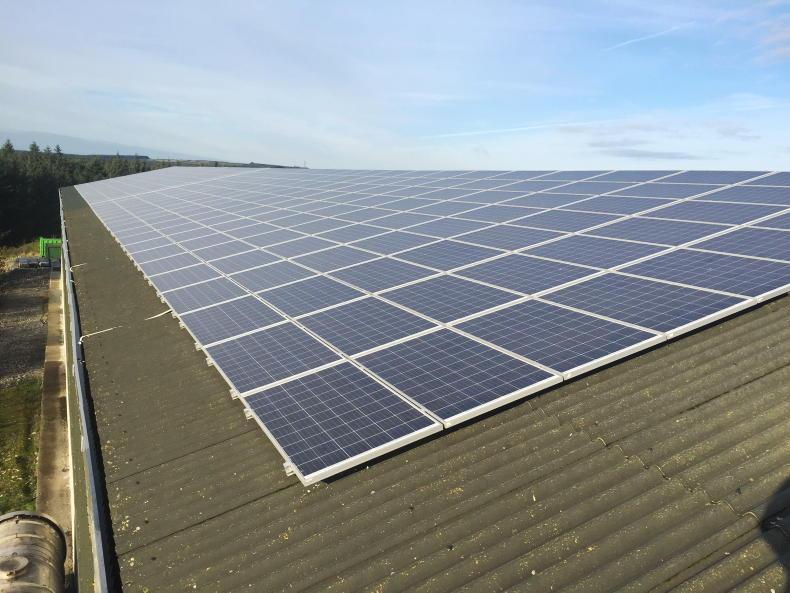
Generation from solar photovoltaics (PV) in Ireland continues to break records. The latest solar PV generation figures show that solar provided up to 6% of Ireland’s electricity needs at times during April and up to 10% during May. With some 2.6GW of solar capacity in the queue to be connected to the grid, this figure will only continue to grow.
A key question that was asked of me during the recent hot weather was how solar panels perform in periods of high temperature and intense sunlight.
Well, it may seem counter-intuitive, but solar panel efficiency is negatively affected by high temperatures. Solar panels, just like another piece of electronic equipment, can get too hot which will lead to lower electricity production.
Solar panels perform best under moderate temperatures. However, for many types of panels, their optimal operational temperature is around 25°C, which is well below average temperatures in Ireland. Solar panels don’t work well in heatwaves due to temperature-induced decrease in efficiency. Solar panels can reach temperatures around 66°C or even higher under direct sunlight but many have an operational temperature of up to 85°C. For every degree above 25°C, a solar panel’s output can decrease by around 0.3% to 0.5%, affecting overall energy production. As temperatures in the recent hot spell rarely went above 25oC, the reduction in efficiency was negligible.
What about cold temperatures?
Solar PV panels are most efficient when the sun is directly overhead, which happens more often in the summer than in the winter.
Solar PV panels can still produce electricity in cold weather, but their efficiency is reduced. At extremely cold temperatures, some types of solar cells can actually stop working. Solar PV panels are designed to operate as low as -40°C, so it’s not generally a problem in Ireland. It goes without saying that when covered in a layer of snow, generation can come to a stop.





SHARING OPTIONS