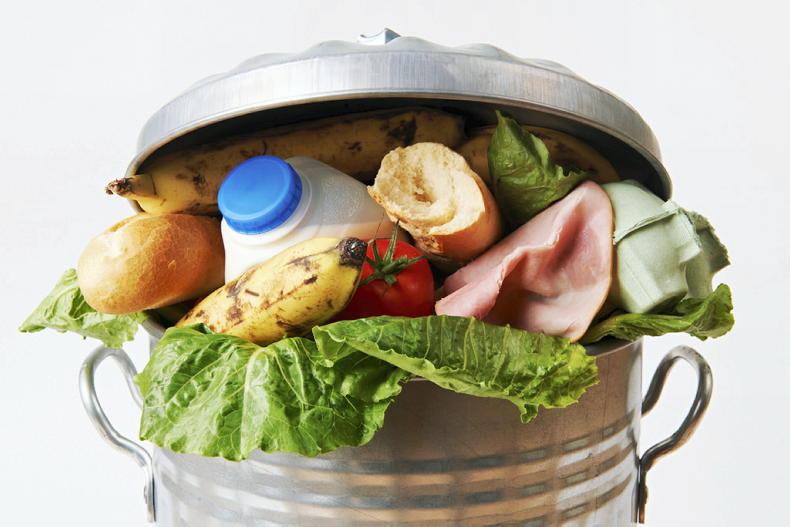
When sent to landfills, food waste becomes a major source of greenhouse gas emissions. While efforts to divert it into compost production, anaerobic digestion plants or – better still – reduce food waste altogether have made significant progress, food waste disposal still remains a challenge and a cost for both businesses and households.
This was the opportunity Meath man Shane Finnegan spotted in 2013, when he established Harp Renewables. He set out to design, develop and build a range of aerobic digesters capable of turning food waste into a stable organic fertiliser in just 24 hours.
The Irish Farmers Journal recently visited the business to see how the system works. I met Gerry McDonnell, sales manager for Harp Renewables, at their manufacturing facility in Kentstown, Meath.
According to Gerry, Harp has developed machines to handle food waste in a range of scenarios, from small units designed for restaurants and coffee shops to larger systems capable of handling the waste of larger commercial operations.
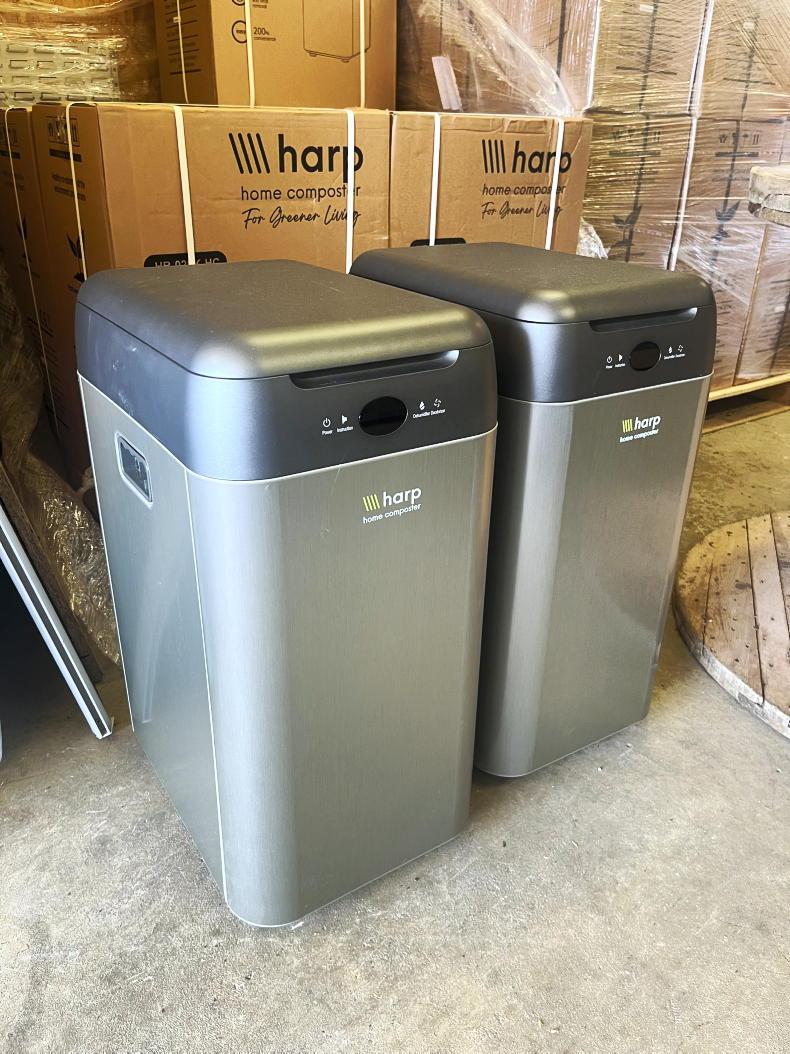
Recently, they launched a home version, which allows households to convert their food waste into garden fertiliser. Their machines range in capacity from just a few kilograms per day to over 5t/day, with even larger systems currently in development.

Gerry McDonnell and Shane Finnegan.
How does it work?
The machine uses a process called aerobic digestion, which, unlike anaerobic digestion, requires oxygen. This is similar to traditional composting. However, Harp’s system works differently because it operates at thermophilic temperatures of over 70°C.
These high temperatures accelerate the composting process significantly. Along with a proprietary blend of enzymes, microorganisms convert the food waste to organic fertiliser in one day.
Food waste from kitchens or households is loaded into one side of the machine. It is important that the waste is source-segregated to avoid contamination from plastics or other unwanted materials, Gerry explained. Inside the chamber, the waste is slowly turned while heat pads raise the temperature to 70°C and fans circulate air throughout. Before leaving the chamber, the air passes through a carbon filter to eliminate odours.
The system uses an “in-vessel composting” design, meaning it is fully self-contained and sealed. The high temperatures both speed up decomposition and pasteurise the material, which makes it possible to process all types of food waste.
Over a 24-hour cycle, the waste is aerated and broken down, in a dry process. Because the method is aerobic, gases such as CO2, methane and hydrogen sulphide, which are normally released during anaerobic digestion, are not emitted and remain within the final product, Shane explained.
The material is then removed from the digester by an auger and can be applied directly as a garden fertiliser. Smaller units are batch-in, batch out, while larger systems are continuous flow.
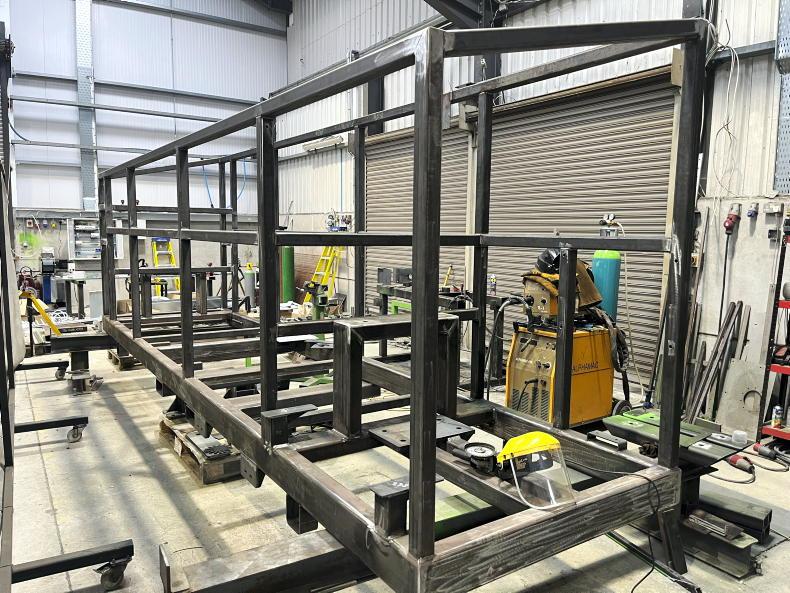
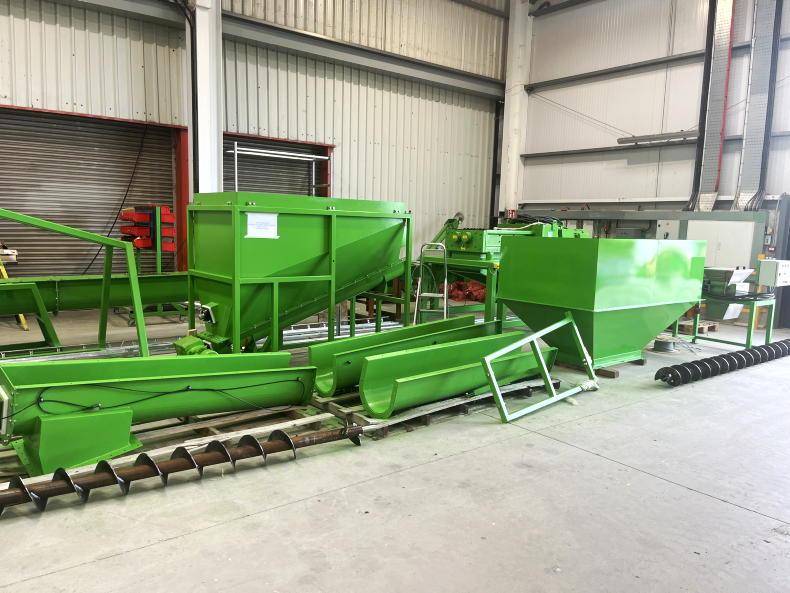
The units are built in Meath.

The home aerobic digester turns household foodwaste to fertiliser.
Manufacturing
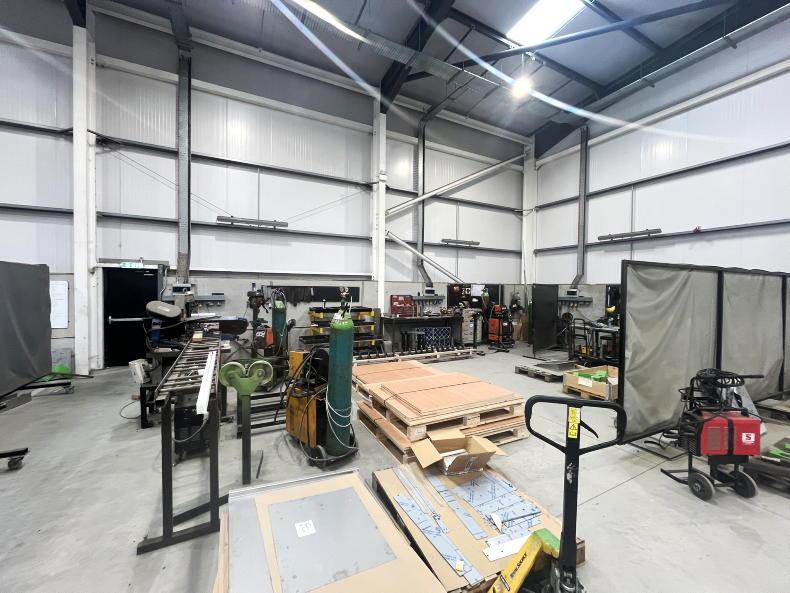
Most of the engineering, manufacturing, software design and sales are carried out in-house. Between an electrical and the renewables businesses, they employ 50 people.
During our visit, we walked through the manufacturing facility, where each unit is built in stages. All materials used are stainless steel and all manufacturing is completed in-house.
Weigh cells are installed on the larger machines, which are capable of automatically feeding the system. All machines are tracked and monitored wirelessly from the Meath premises. The systems can be customised, with some requiring front end processes like shredders, hoppers or augers. The machines are powered by electricity and require a three-phase connection.
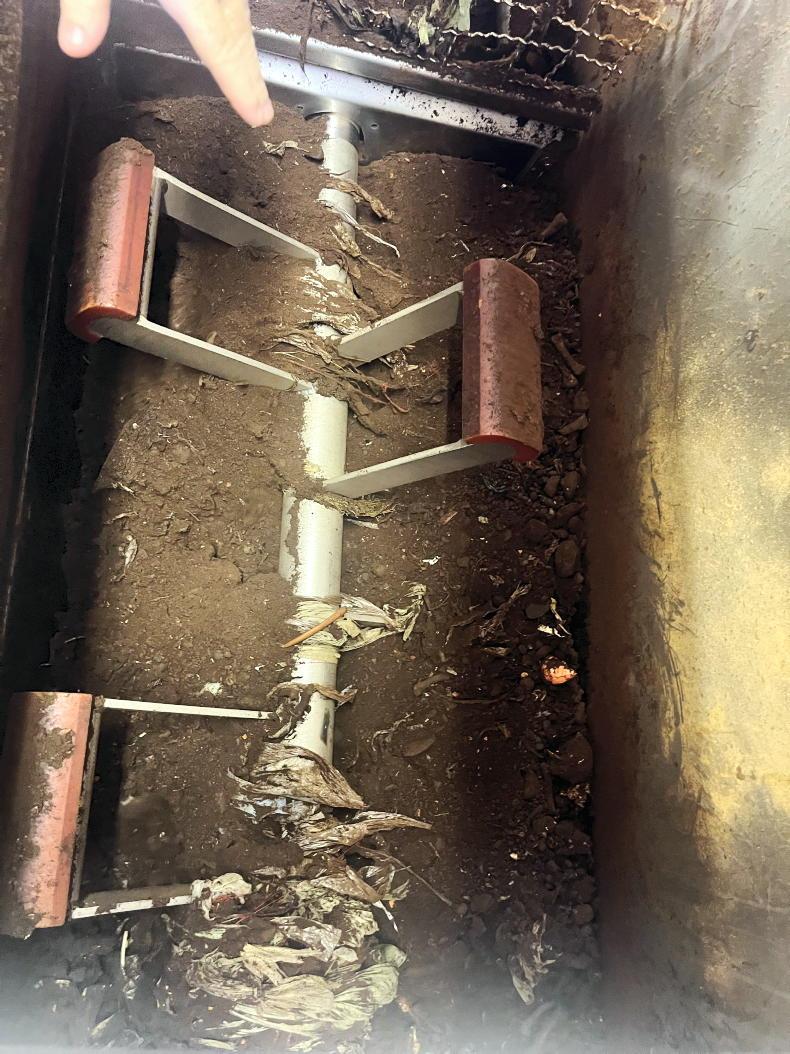
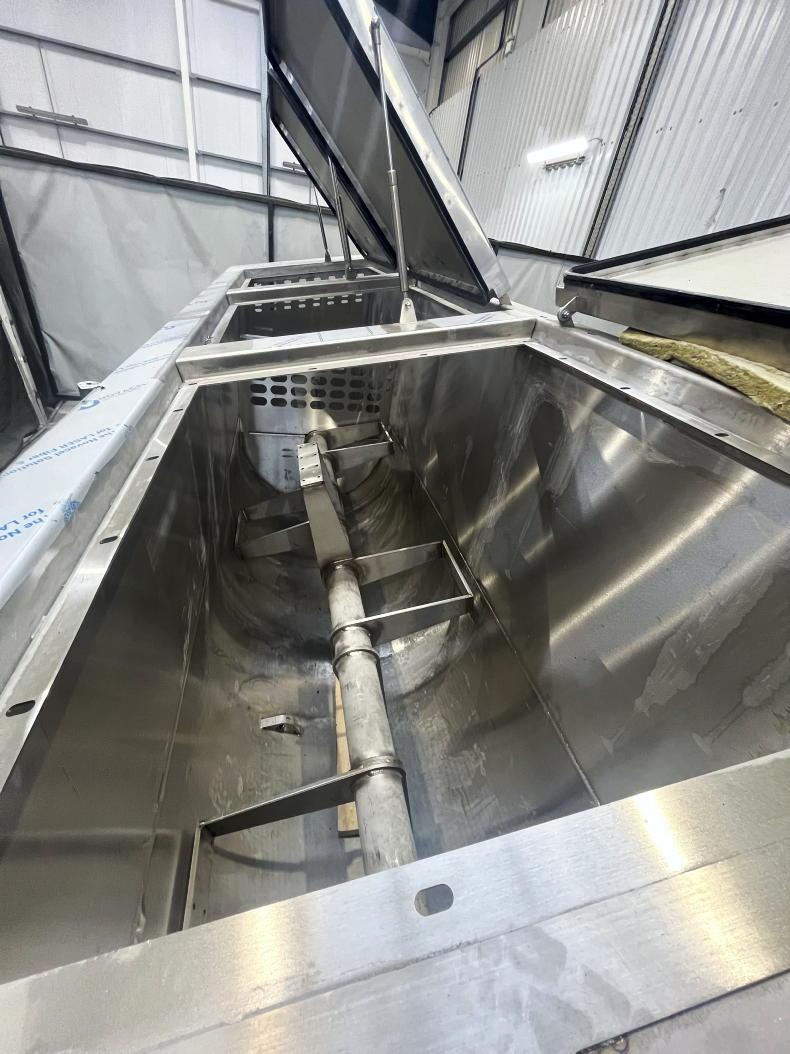
The food waste is turned in the digester.
Global
So far, they have sold over 390 digesters worldwide, which amounts to over 44,000t of food waste being displaced and 127,000t of greenhouse gas emissions saved, Gerry explained.
Customers in Ireland include Aramark Properties at Bolands Mill and Capital Dock, the Irish Prison Service, Bread 41 and King Sitric Restaurant in Howth. They have sold machines to USA, Canada, The Bahamas, Australia, Lebanon and many countries across Europe. They work through a network of dealers and resellers, which get training at the Meath site. They also provide direct servicing themselves, as each machine comes with a one-year guarantee and a service contract.
The machines range in price from around €900 for the smallest household units to, depending on specification and components, over €500,000.
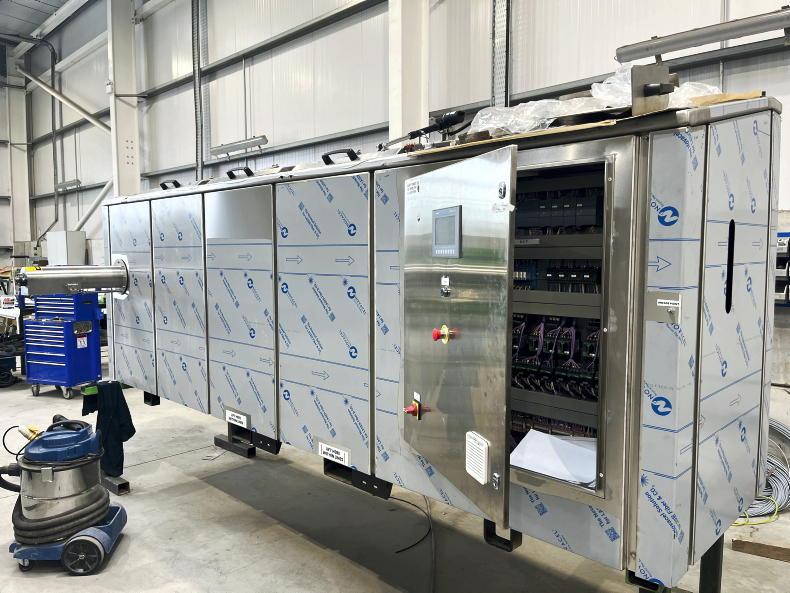
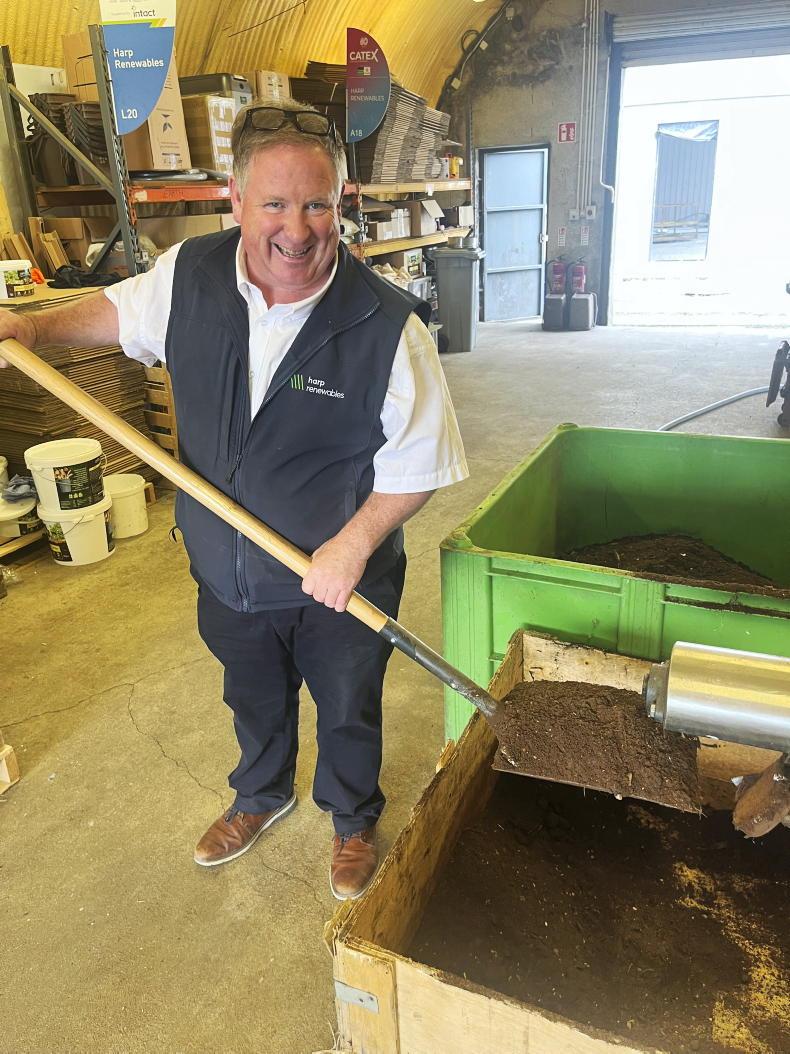
All work is carried out in-house.

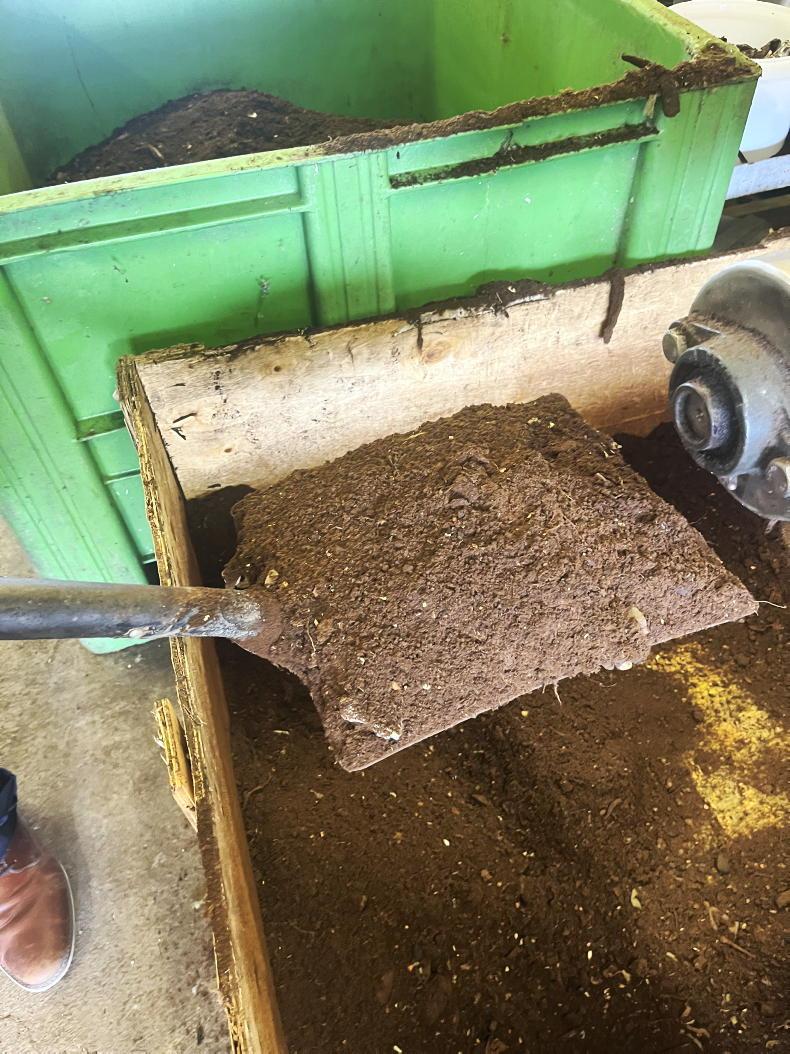
Gerry with a shovel of fertiliser.
Fertiliser
Gerry explained that some of his customers wanted a closed-loop service, so Harp takes back the organic fertiliser.
Gerry emphasised again that this material is not the same as traditional compost, as the nutrients are much more available as a result of the thermophilic treatment process.
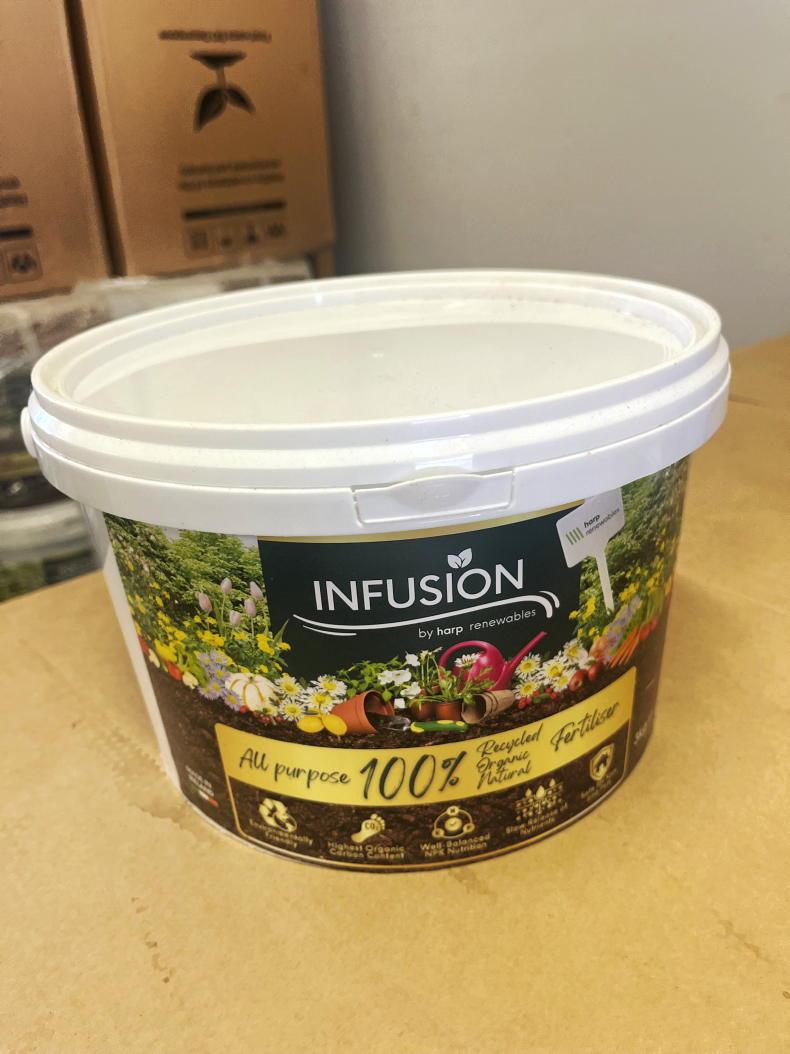
The company is now bagging and selling this fertiliser online and through a range of garden centres under the brand Infusion.
They have trialled the fertiliser at Navan Racecourse and are also partnering with the University of Limerick on the ReNu to Recycle project, led by Achim Schmalenberger and Makayo Kanasugi. Recently, they completed trials on winter wheat crops with Meath farmer Louis McAuley. Around 10t was applied across eight acres. The fertiliser was used in both autumn and spring. While the analysis is still ongoing, Gerry said that the plots which received the organic fertiliser yielded 4.8t/ac, compared with 4.4t/ac on untreated areas.
At present, they are producing around 200t/year, but this is set to increase. The fertiliser is collected from the digesters and mixed in meat to create a uniform product.
Interestingly, it is also a suitable feedstock for anaerobic digestion plants recent analysis showed that one tonne contained around 260m3 of biomethane.
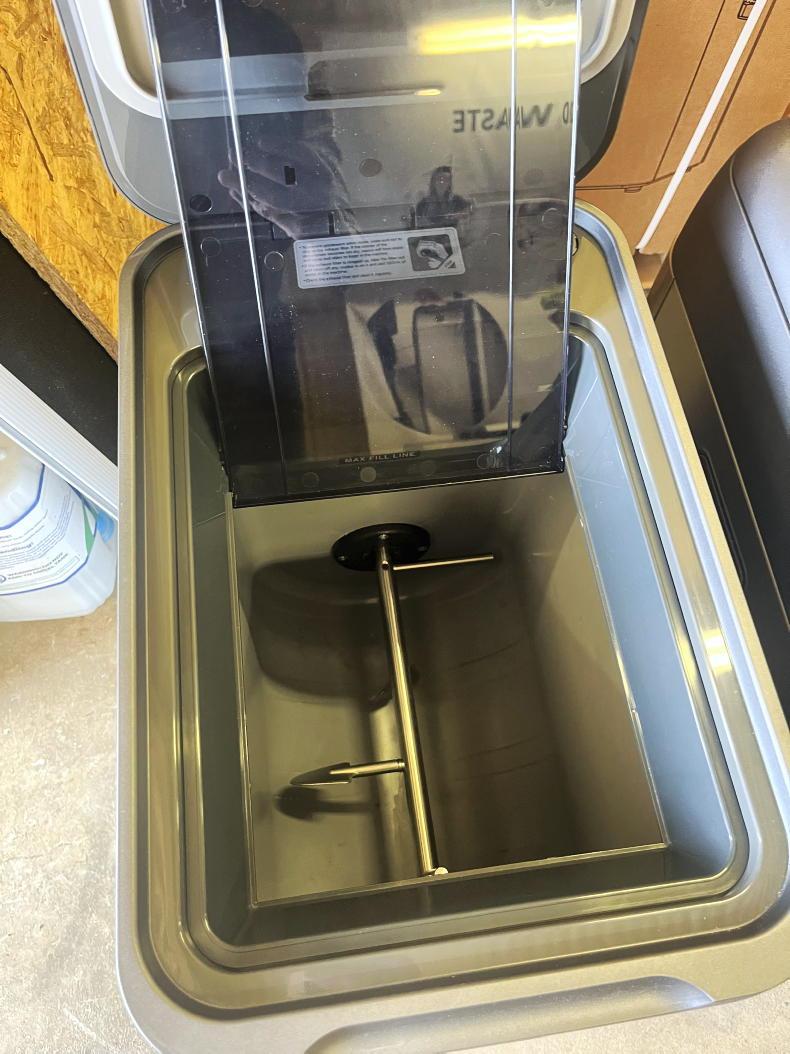
Inside the household digester.

The fertiliser is sold under the Infusion brand.
Future
The business is very much a family affair, with Shane’s son and daughter both involved. Gerry explained that the company, its products and their applications are constantly evolving, and they are not afraid to try new things.
That became obvious as he outlined some of the new areas of growth and expansion, much of which cannot yet be published. What is clear, however, is that the company is another prime example of a solution developed to tackle a waste problem, one with global appeal.
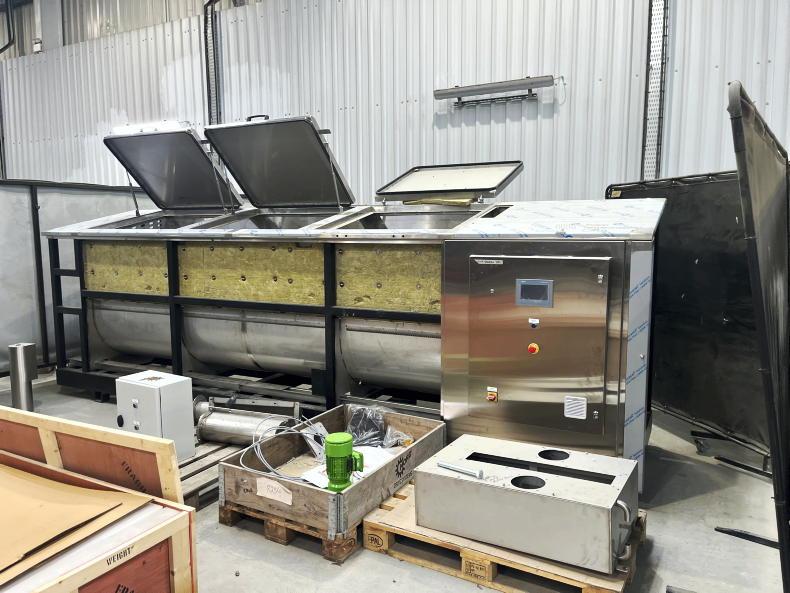
The vessels are lined with insulation.

The end product.

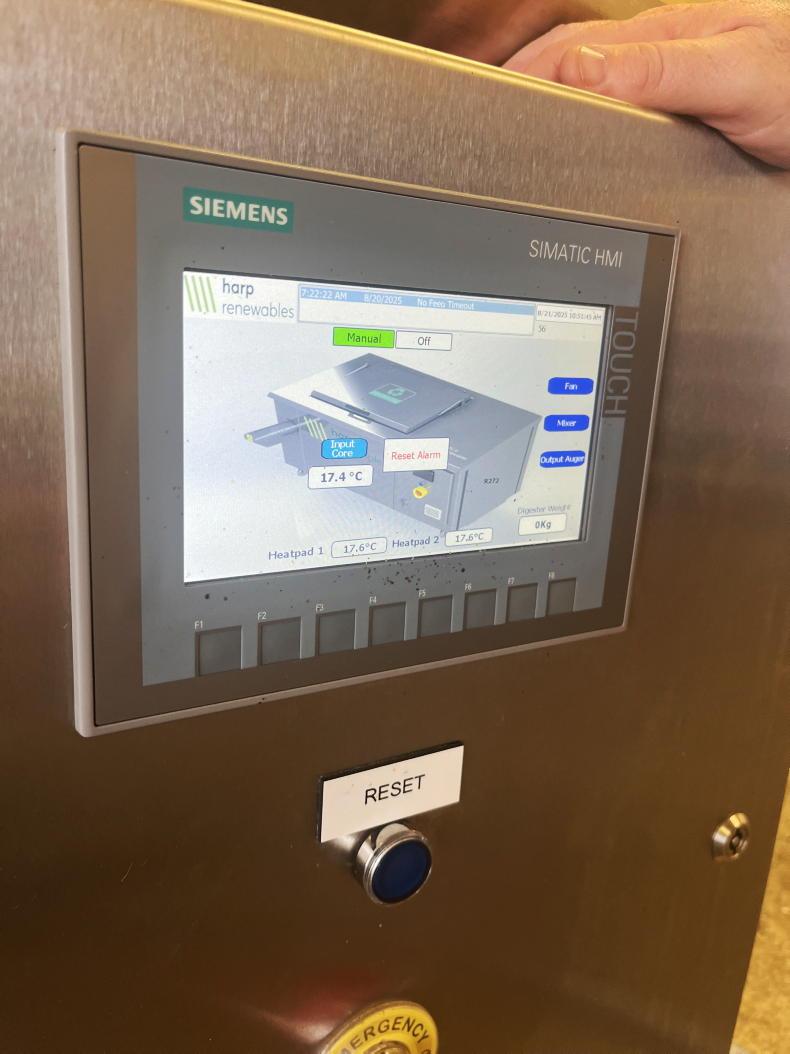
The unit is controlled via a screen and app.

Some of the accessories for the unit.

The units are built in Meath.

The units are made from stainless steel.
When sent to landfills, food waste becomes a major source of greenhouse gas emissions. While efforts to divert it into compost production, anaerobic digestion plants or – better still – reduce food waste altogether have made significant progress, food waste disposal still remains a challenge and a cost for both businesses and households.
This was the opportunity Meath man Shane Finnegan spotted in 2013, when he established Harp Renewables. He set out to design, develop and build a range of aerobic digesters capable of turning food waste into a stable organic fertiliser in just 24 hours.
The Irish Farmers Journal recently visited the business to see how the system works. I met Gerry McDonnell, sales manager for Harp Renewables, at their manufacturing facility in Kentstown, Meath.
According to Gerry, Harp has developed machines to handle food waste in a range of scenarios, from small units designed for restaurants and coffee shops to larger systems capable of handling the waste of larger commercial operations.
Recently, they launched a home version, which allows households to convert their food waste into garden fertiliser. Their machines range in capacity from just a few kilograms per day to over 5t/day, with even larger systems currently in development.

Gerry McDonnell and Shane Finnegan.
How does it work?
The machine uses a process called aerobic digestion, which, unlike anaerobic digestion, requires oxygen. This is similar to traditional composting. However, Harp’s system works differently because it operates at thermophilic temperatures of over 70°C.
These high temperatures accelerate the composting process significantly. Along with a proprietary blend of enzymes, microorganisms convert the food waste to organic fertiliser in one day.
Food waste from kitchens or households is loaded into one side of the machine. It is important that the waste is source-segregated to avoid contamination from plastics or other unwanted materials, Gerry explained. Inside the chamber, the waste is slowly turned while heat pads raise the temperature to 70°C and fans circulate air throughout. Before leaving the chamber, the air passes through a carbon filter to eliminate odours.
The system uses an “in-vessel composting” design, meaning it is fully self-contained and sealed. The high temperatures both speed up decomposition and pasteurise the material, which makes it possible to process all types of food waste.
Over a 24-hour cycle, the waste is aerated and broken down, in a dry process. Because the method is aerobic, gases such as CO2, methane and hydrogen sulphide, which are normally released during anaerobic digestion, are not emitted and remain within the final product, Shane explained.
The material is then removed from the digester by an auger and can be applied directly as a garden fertiliser. Smaller units are batch-in, batch out, while larger systems are continuous flow.

The units are built in Meath.

The home aerobic digester turns household foodwaste to fertiliser.
Manufacturing
Most of the engineering, manufacturing, software design and sales are carried out in-house. Between an electrical and the renewables businesses, they employ 50 people.
During our visit, we walked through the manufacturing facility, where each unit is built in stages. All materials used are stainless steel and all manufacturing is completed in-house.
Weigh cells are installed on the larger machines, which are capable of automatically feeding the system. All machines are tracked and monitored wirelessly from the Meath premises. The systems can be customised, with some requiring front end processes like shredders, hoppers or augers. The machines are powered by electricity and require a three-phase connection.

The food waste is turned in the digester.
Global
So far, they have sold over 390 digesters worldwide, which amounts to over 44,000t of food waste being displaced and 127,000t of greenhouse gas emissions saved, Gerry explained.
Customers in Ireland include Aramark Properties at Bolands Mill and Capital Dock, the Irish Prison Service, Bread 41 and King Sitric Restaurant in Howth. They have sold machines to USA, Canada, The Bahamas, Australia, Lebanon and many countries across Europe. They work through a network of dealers and resellers, which get training at the Meath site. They also provide direct servicing themselves, as each machine comes with a one-year guarantee and a service contract.
The machines range in price from around €900 for the smallest household units to, depending on specification and components, over €500,000.

All work is carried out in-house.

Gerry with a shovel of fertiliser.
Fertiliser
Gerry explained that some of his customers wanted a closed-loop service, so Harp takes back the organic fertiliser.
Gerry emphasised again that this material is not the same as traditional compost, as the nutrients are much more available as a result of the thermophilic treatment process.
The company is now bagging and selling this fertiliser online and through a range of garden centres under the brand Infusion.
They have trialled the fertiliser at Navan Racecourse and are also partnering with the University of Limerick on the ReNu to Recycle project, led by Achim Schmalenberger and Makayo Kanasugi. Recently, they completed trials on winter wheat crops with Meath farmer Louis McAuley. Around 10t was applied across eight acres. The fertiliser was used in both autumn and spring. While the analysis is still ongoing, Gerry said that the plots which received the organic fertiliser yielded 4.8t/ac, compared with 4.4t/ac on untreated areas.
At present, they are producing around 200t/year, but this is set to increase. The fertiliser is collected from the digesters and mixed in meat to create a uniform product.
Interestingly, it is also a suitable feedstock for anaerobic digestion plants recent analysis showed that one tonne contained around 260m3 of biomethane.

Inside the household digester.

The fertiliser is sold under the Infusion brand.
Future
The business is very much a family affair, with Shane’s son and daughter both involved. Gerry explained that the company, its products and their applications are constantly evolving, and they are not afraid to try new things.
That became obvious as he outlined some of the new areas of growth and expansion, much of which cannot yet be published. What is clear, however, is that the company is another prime example of a solution developed to tackle a waste problem, one with global appeal.
The vessels are lined with insulation.

The end product.

The unit is controlled via a screen and app.

Some of the accessories for the unit.

The units are built in Meath.

The units are made from stainless steel.
SHARING OPTIONS