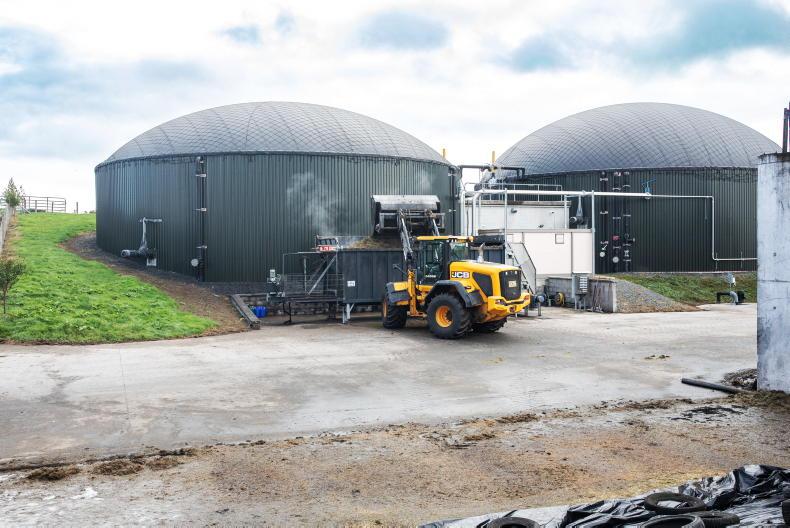
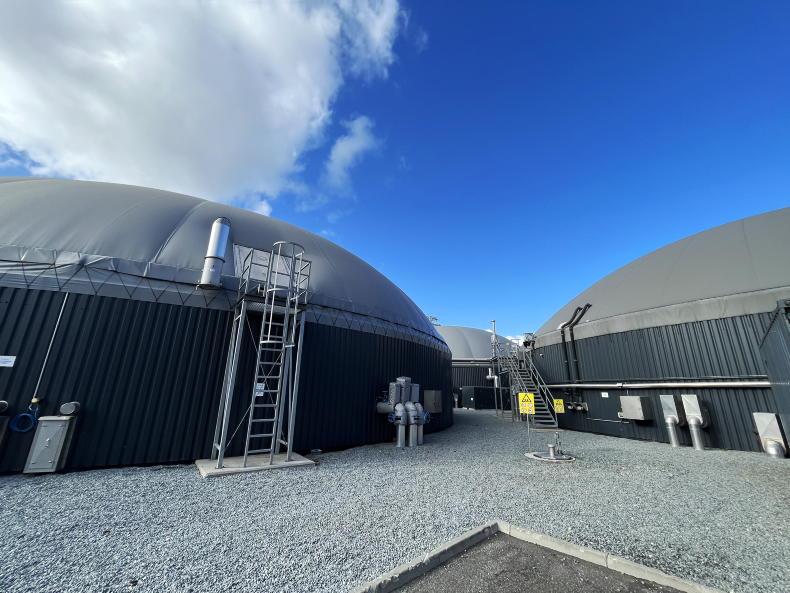
With the details of the long-awaited Renewable Heat Obligation now public, and the first of the country’s new anaerobic digestion plants under construction and set to produce biomethane by 2026, questions have been raised about the role the State’s existing renewable heat scheme will play.
The Support Scheme for Renewable Heat (SSRH) has been in place since 2019 and is designed to incentivise non-domestic heat users to switch from fossil fuels to renewable heat technologies.
The scheme has two support elements, investment aid, in the form of a capital grant of up to 40% for heat pump installations, and operational aid, in the form of a tiered 15-year tariff for biomass and biogas boilers.
The SSRH is not designed to directly incentivise the production of renewable fuels, but rather to bridge the gap for heat users to adopt renewables instead of fossil fuels.
However, despite significant biomethane targets being in place, no applications have been received for systems that use the fuel under the scheme. The Irish Farmers Journal reached out to the scheme administrator, the Sustainable Energy Authority of Ireland (SEAI) for more information.
Payments to date
To date, total commitments under the scheme come to €44.6m. The lion’s share of applications has been for operational support, with €38.3 million committed to biomass tariffs. Around €6.3 million has been allocated to grants. For operational aid, 94 applicants have been approved, including 40 in agriculture, 17 in hotels and guesthouses, eight nursing homes, eight education facilities, five manufacturing sites, four community development projects, four leisure centres, three horticultural enterprises, three commercial sites and two residential developments.
For capital grants, 21 applicants have secured approval, including six commercial projects, four manufacturing facilities, two residential developments, two community projects, two leisure centres, two hotels and guesthouses, two education facilities and one horticultural project.
The budget for the scheme was mooted to be €300m, but the SEAI said that the budget for the scheme is now allocated on an annual basis.
Tariffs
The tariff rates are not index-linked, meaning that rising fuel and input costs since the scheme’s launch in 2019 are not taken into account.
The SEAI has said, however, that tariffs are subject to annual review. Tariffs for new entrants may be adjusted subject to this annual review, which considers market changes to capex (the cost of the equipment and ancillary plant) and opex (the maintenance and fuel costs).
The decision to change tariffs is made by the Department of Climate, Energy and the Environment and the Department of Public Expenditure.
To date, the tariffs have not been adjusted up or down.
They said that the analysis for how the tariff rate was set is available and that the analysis was carried out in 2017.
Competitive
Under the scheme, biomethane (purified biogas) boilers are also eligible and can avail of the same tariff as biogas systems. However, to date, no applications for either biogas or biomethane boilers have been received.
This may, in part, be due to the very low tariff rate offered under the scheme.
Developers today are targeting a wholesale biomethane price of around 16c/kWh. The SSRH biogas tariff rate is just 2.95c/kWh, and the capacity is capped at 2,400 MWh/year.
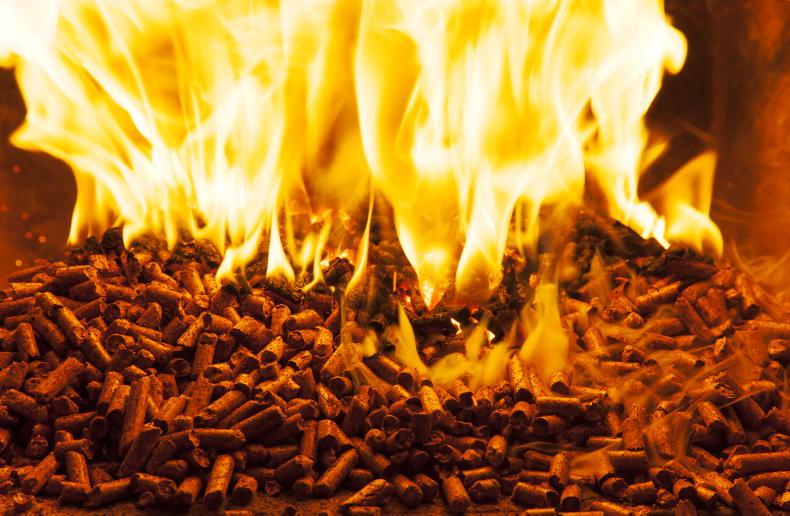
Biomass boilers, on the other hand, avail of a rate of 5.66c/kWh, gradually dropping to 0.37c/kWh up to 50,000 MWh/year.
Under the scheme, using biomethane as a heat source remains uncompetitive compared with biomass.
Not for biomethane
When asked why the tariff was so low, the SEAI said that the SSRH biogas tariff was developed for a relatively small, targeted set of users, namely in the agricultural sector, and was based on the existing availability of biogas from lower-cost feedstocks.
It explained that the analysis used to set the tariff rate was carried out in 2017, and the biogas element of the SSRH was only expected to account for around 1% of the targeted uptake in the scheme. As a result, it was not considered the primary renewable heat technology in the scheme, which focused on biomass and heat pumps.
The SEAI said that it was never a policy objective to make the production of biomethane viable for producers. While specific biomethane supports were initially considered in the economic analysis, they were not carried forward into the final scheme.
The biogas tariff was designed only to close the gap between the cost of using available biogas and fossil fuels.
When asked if it is confident that the biogas tariff is enough to incentivise companies to buy biogas or biomethane, the SEAI again said that the SSRH biogas tariff was not specifically designed to incentivise biomethane use, despite it being an eligible fuel.
When asked why the tariff was capped at 2,400 MWh/year, it said that the economic analysis determined that no incremental aid was required beyond this volume of heat.
Will biogas be dropped?
When asked if it is reviewing the operational tariff rate for biogas and biomethane boilers, the SEAI said it is in the process of appointing consultants for the 2025 tariff review.
However, given the lack of uptake to date and emerging policies to support the wider biogas and biomethane sectors, the SEAI said it will also consider whether there is a need for the biogas tariff at all during the 2025 review.
The author Stephen Robb is currently involved in a family/community proposal for an anaerobic digestion facility in Co Donegal.
With the details of the long-awaited Renewable Heat Obligation now public, and the first of the country’s new anaerobic digestion plants under construction and set to produce biomethane by 2026, questions have been raised about the role the State’s existing renewable heat scheme will play.
The Support Scheme for Renewable Heat (SSRH) has been in place since 2019 and is designed to incentivise non-domestic heat users to switch from fossil fuels to renewable heat technologies.
The scheme has two support elements, investment aid, in the form of a capital grant of up to 40% for heat pump installations, and operational aid, in the form of a tiered 15-year tariff for biomass and biogas boilers.
The SSRH is not designed to directly incentivise the production of renewable fuels, but rather to bridge the gap for heat users to adopt renewables instead of fossil fuels.
However, despite significant biomethane targets being in place, no applications have been received for systems that use the fuel under the scheme. The Irish Farmers Journal reached out to the scheme administrator, the Sustainable Energy Authority of Ireland (SEAI) for more information.
Payments to date
To date, total commitments under the scheme come to €44.6m. The lion’s share of applications has been for operational support, with €38.3 million committed to biomass tariffs. Around €6.3 million has been allocated to grants. For operational aid, 94 applicants have been approved, including 40 in agriculture, 17 in hotels and guesthouses, eight nursing homes, eight education facilities, five manufacturing sites, four community development projects, four leisure centres, three horticultural enterprises, three commercial sites and two residential developments.
For capital grants, 21 applicants have secured approval, including six commercial projects, four manufacturing facilities, two residential developments, two community projects, two leisure centres, two hotels and guesthouses, two education facilities and one horticultural project.
The budget for the scheme was mooted to be €300m, but the SEAI said that the budget for the scheme is now allocated on an annual basis.
Tariffs
The tariff rates are not index-linked, meaning that rising fuel and input costs since the scheme’s launch in 2019 are not taken into account.
The SEAI has said, however, that tariffs are subject to annual review. Tariffs for new entrants may be adjusted subject to this annual review, which considers market changes to capex (the cost of the equipment and ancillary plant) and opex (the maintenance and fuel costs).
The decision to change tariffs is made by the Department of Climate, Energy and the Environment and the Department of Public Expenditure.
To date, the tariffs have not been adjusted up or down.
They said that the analysis for how the tariff rate was set is available and that the analysis was carried out in 2017.
Competitive
Under the scheme, biomethane (purified biogas) boilers are also eligible and can avail of the same tariff as biogas systems. However, to date, no applications for either biogas or biomethane boilers have been received.
This may, in part, be due to the very low tariff rate offered under the scheme.
Developers today are targeting a wholesale biomethane price of around 16c/kWh. The SSRH biogas tariff rate is just 2.95c/kWh, and the capacity is capped at 2,400 MWh/year.
Biomass boilers, on the other hand, avail of a rate of 5.66c/kWh, gradually dropping to 0.37c/kWh up to 50,000 MWh/year.
Under the scheme, using biomethane as a heat source remains uncompetitive compared with biomass.
Not for biomethane
When asked why the tariff was so low, the SEAI said that the SSRH biogas tariff was developed for a relatively small, targeted set of users, namely in the agricultural sector, and was based on the existing availability of biogas from lower-cost feedstocks.
It explained that the analysis used to set the tariff rate was carried out in 2017, and the biogas element of the SSRH was only expected to account for around 1% of the targeted uptake in the scheme. As a result, it was not considered the primary renewable heat technology in the scheme, which focused on biomass and heat pumps.
The SEAI said that it was never a policy objective to make the production of biomethane viable for producers. While specific biomethane supports were initially considered in the economic analysis, they were not carried forward into the final scheme.
The biogas tariff was designed only to close the gap between the cost of using available biogas and fossil fuels.
When asked if it is confident that the biogas tariff is enough to incentivise companies to buy biogas or biomethane, the SEAI again said that the SSRH biogas tariff was not specifically designed to incentivise biomethane use, despite it being an eligible fuel.
When asked why the tariff was capped at 2,400 MWh/year, it said that the economic analysis determined that no incremental aid was required beyond this volume of heat.
Will biogas be dropped?
When asked if it is reviewing the operational tariff rate for biogas and biomethane boilers, the SEAI said it is in the process of appointing consultants for the 2025 tariff review.
However, given the lack of uptake to date and emerging policies to support the wider biogas and biomethane sectors, the SEAI said it will also consider whether there is a need for the biogas tariff at all during the 2025 review.
The author Stephen Robb is currently involved in a family/community proposal for an anaerobic digestion facility in Co Donegal.





SHARING OPTIONS