



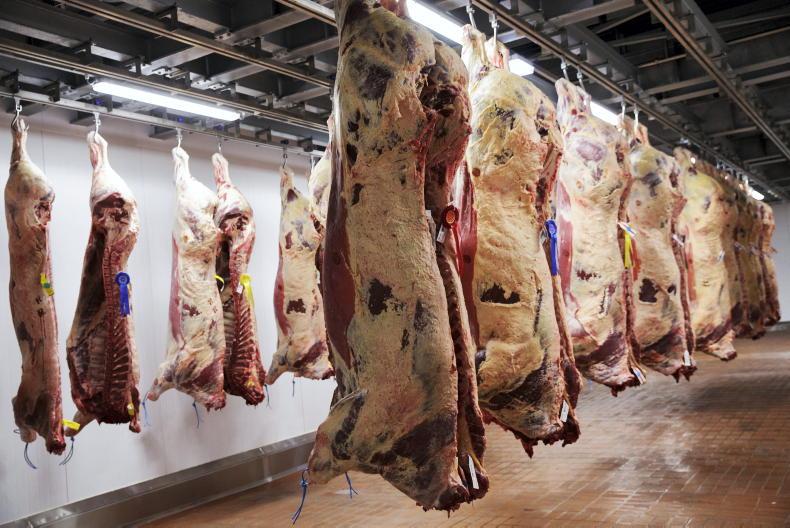
The herd statistics quoted in last week’s Irish Farmers Journal will make for uncomfortable reading for those involved in beef processing.
The fact that cattle numbers dropped by 276,000 head over the last year calls into question the factories’ high-throughput/low-margin operating model.
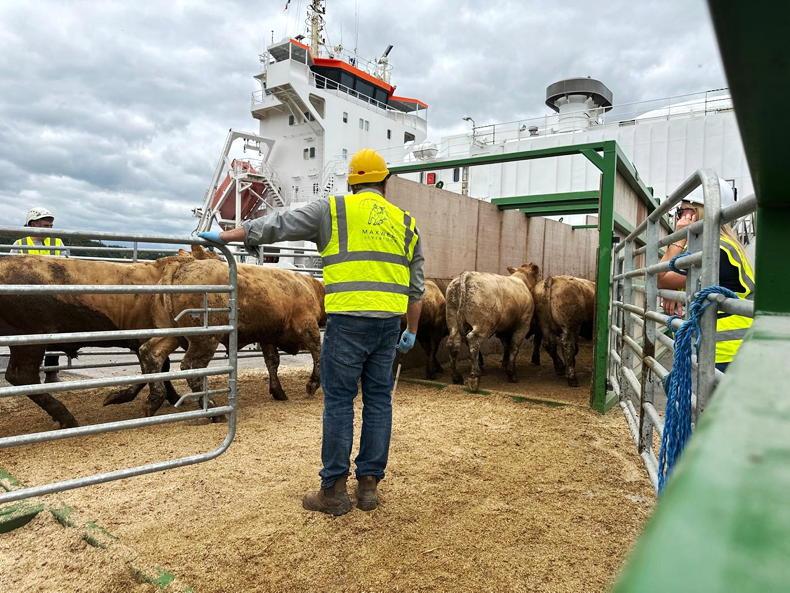
To compound the factories’ difficulties, live exports have jumped 30% to more than 290,000 animals for the year to date, while cattle prices have gone through the roof.
Some in the beef industry will claim that the sector has faced similar difficulties in the past. And that is true.
Between 1976 and 1980, for example, the national herd fell by 400,000 animals, dropping from 6.2m to 5.8m head, while live exports increased from 370,000 head to over 470,000 head.
These twin pressures took a toll on the industry and by May 1979, one-third of the country’s beef factories were shut because they could not source a sufficient supply of cattle or could not justify opening commercially.
While the current cattle supply situation is not that tight yet, the trends are moving in the same direction.
But there are also major differences, particularly in the options open to the factories.
Five decades ago, the meat factories could depend on Government to defend their interests – the same cannot be said today.
Indeed, between 1977 and 1980, Ireland had a Fianna Fáil Minister for Agriculture, Jim Gibbons, who made no secret of his support for the beef factories.
Kilkenny native Gibbons flagged his opposition to live exports within six months of taking office when he told the Irish Farmers Journal that he was “negative to the export of anything in live form”.
Curbing the export of calves, which totalled more than 130,000 head in 1978, was Gibbons’ first target.
Around 40% of the calves exported were flown out of Shannon to Italy.
However, Gibbons introduced regulations which effectively cut the maximum number of calves that could be carried per flight from 500 to 370.
In addition, brucellosis checks which took three weeks were introduced. These forced exporters to hold and feed calves for up to a month before export, which increased costs and cut margins.
Exports of store cattle to Libya and Egypt were also in the minister’s sights. In an effort to frustrate the live trade, he prohibited the shipping of cattle from herds with TB, and also lobbied Brussels in an effort to reduce the export refunds paid on live animals.
Gibbons’ efforts were supported by the unions and local TDs who feared the closure of meat processing plants and consequent loss of jobs.
However, his tactics ultimately failed to reduce the number of cattle shipped or prevent a major restructuring of the beef industry through the 1980s as factories faltered and failed in the more difficult trading environment.
Will the latest supply crisis prompt significant change in the beef processing sector? Who knows?
But the meat factories certainly won’t get a Jim-Gibbons-like dig out.
The days of them having that level of political clout are long gone.


SHARING OPTIONS