



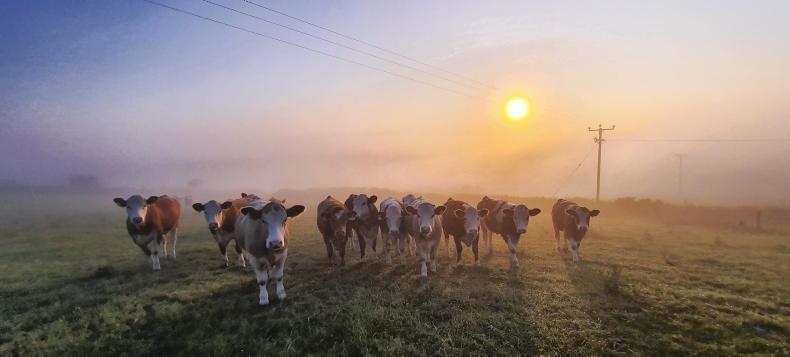
With a small bit of rain forecast I gambled and cut a few strong paddocks on the block where the cows are last week.
While I find it best to have a bank of grass ahead of the cows, I don’t want too much held up either and it was a good opportunity to tidy the place a bit too and set it up to get back growing.
Last weekend’s rain should go a long way in that regard so hopefully pasture growth will tick along nicely for another bit.
Things weren’t getting uncomfortable by any means but that top-up of moisture will probably allow a few other paddocks to be taken out for bales.
Silage stocks have built up nicely over the last while, so the aim now is to not eat into those until well into the autumn.
Having that bank of bales in the yard is a safety net in the event the decision to back clover and drop artificial nitrogen on the grazing backfires. That experiment was meant to be conducted on a small area last year but it ended up incorporating most of the grazing area.
The reason to try that out was two-fold. Firstly, there is a high clover content on most of the farm, so I wanted to test it out to see what it could do and, secondly, the issue that gave me the push to try it, high fertiliser prices.
My own attitude to grazing has evolved a lot over the last decade
As slurry is the primary fertiliser used until the end of June, it means that the next 10 weeks are the main test of that venture, so hopefully it goes as well as last year.
My own attitude to grazing has evolved a lot over the last decade. What the cows have been grazing over the last fortnight is something that I would have been disgusted by a few years ago. Like many on-farm practices it’s been yet another journey borne out of both good and bad experiences.
Certainly since 2018 and that year’s drought, I’ve been trying out a few ways to make the farm easier to manage in the event of a dry summer.
Five years ago, when grass growth eased up for most of the summer, the round feeder and a bale of silage were the tools to keep pressure off.
Last summer, an alternative approach worked successfully for the most part.
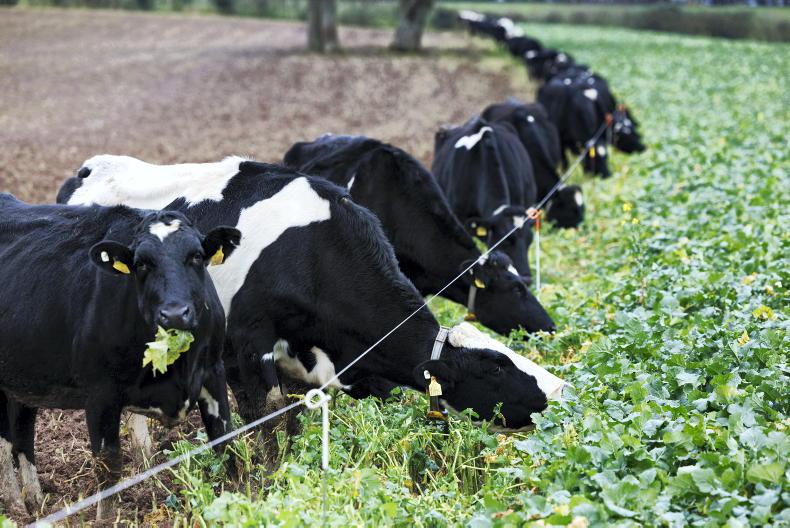
Strip wires and standing crops of grass replaced the tractor, round feeder and bale.
Checking for AI
Cows might get ahead of the wire on occasion but there is no playing around with cows while you try to open and close a gap or move the feeder. It was only a few extra minutes’ work and doubled up with checking cows for AI.
Burning up a few pounds instead of burning diesel did me no harm either.
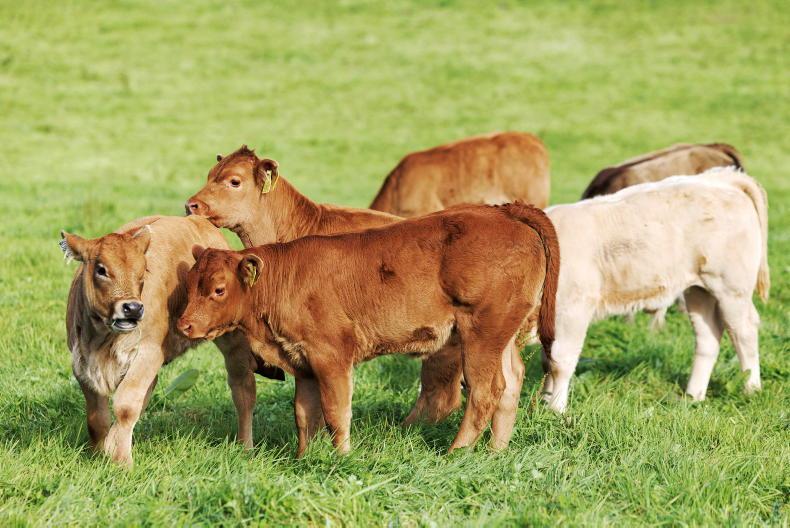
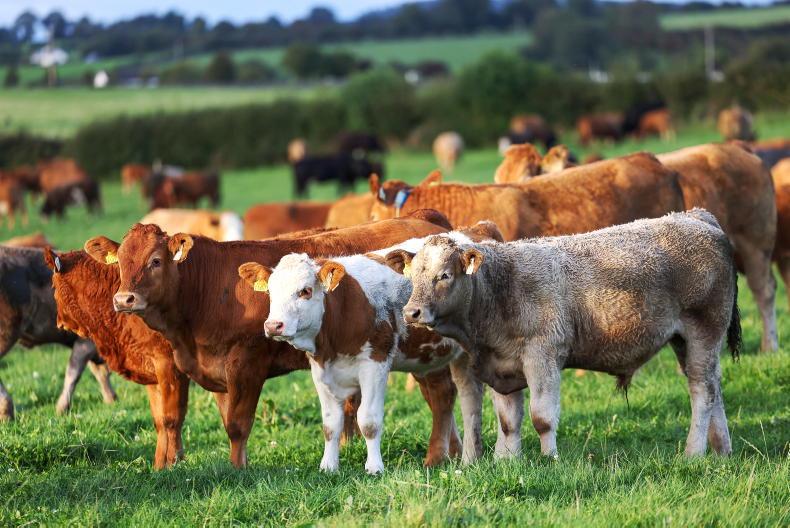
The calves can go under the wire and pick off the best of the grass too.
Over the last fortnight, even though most are just three months old, they’ve been making a big impression on the grass ahead of the cows.
Using that method means there’s always a few backup paddocks in the event it gets too dry.
It’s a combination of planning ahead but reacting as conditions change.
Previously, I would have baled whatever I felt was too strong for the grazing whereas since dry summers have become more regular, I leave a paddock or two as backup and if rain comes, they can be cut over the next week or two.



SHARING OPTIONS