


It was in February, this time last year, that I penned my first piece around here. I had just completed an online course on Climate Change Science from Exeter University and coincidently, the climate had just thrown the worst storms in the record book at us.
It was a time to put those things together, to join the dots and reflect on things to come. However, a year can bring many changes and this year is a total contrast.
I think there is nothing more pleasing than the sight of white frosty fields in February. We have now had many such days and nights and it is pleasing on so many levels.
A week or two of dry frosty weather in February is a great time to let my March calving suckler cows out of the straw bed sheds where they have been for many weeks. I firmly believe that the pick of green grass along with the muscle toning exercise will ensure stronger fitter cows at calving and healthier stronger calves on the ground next month.
It also gives us a perfect chance to spread the valuable FYM that the cows have been making since November. On an organic farm, the FYM is our main soil amendment for balancing nutrients around the farm. I have two blocks of hay ground and I like to alternate the FYM on those blocks in alternate years. Getting it out in February means that by the time hay cutting comes around next Summer the soil organisms will have have taken most of that FYM below ground where it can feed the soil and the plants.
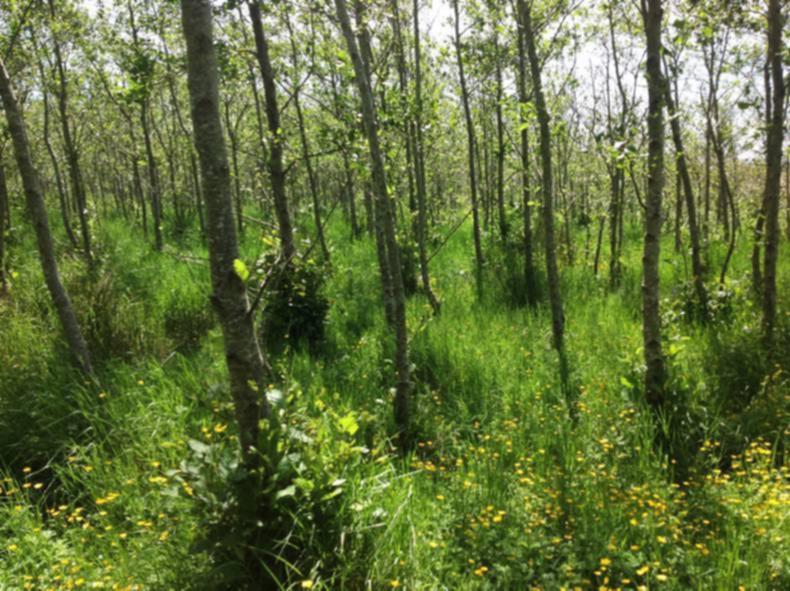
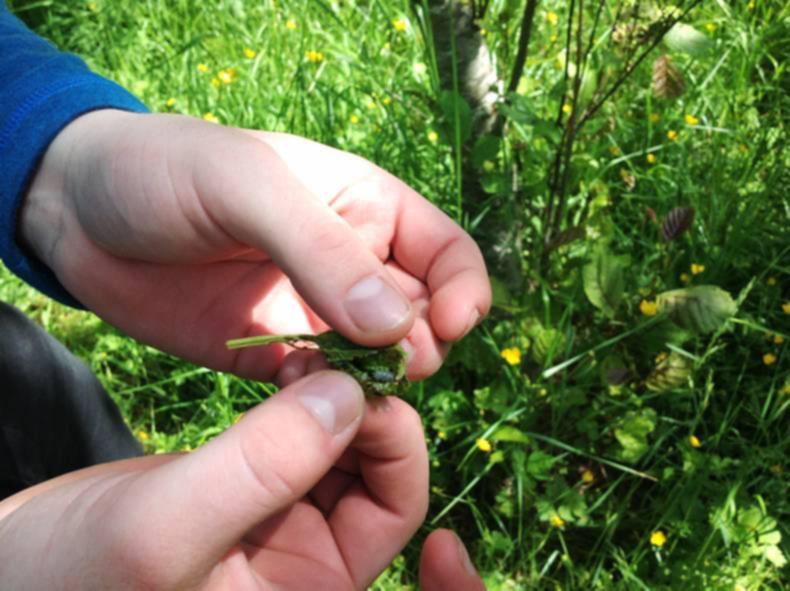
Another very important benefit of good frosty nights is the control of animal and plant pathogens. Last June I got a shock after seeing all the leaves curl up and fall off my Common Alder trees. The sight of thousands of bare trees was quite alarming. I took some photographs and emailed them off to my forestry adviser who was also alarmed and alerted her colleagues.
The pathologist in the Forestry Service diagnosed that the culprit was the larvae of the Alder Tortuous Moth. He told us that they are endemic but usually controlled by frost during winter. However, since I had no frost in the winter of 2013/14, they hadn't been controlled, and I had got an epidemic.
He assured me that the larvae would go to ground in July and the trees would produce a new flush of leaf and recover, which happily, they did. Seeing those lovely white fields these mornings gives me great comfort that I will not have that problem this year.
Another very important function of frost is vernalisation. Many of our farm crop plants are biennials or perennials and need to "know" when one yearly cycle is complete and the next one can start. The change in physiology is triggered by frost and is called vernalisation. Winter cereals and grasses all need vernalisation and will benefit from this period of frost to stimulate the rapid early Spring growth that can make such a big impact on eventual yields.
Perhaps the best known benefit of frost is its effect on ploughed ground. The effect of a number of night /day, freeze/thaw cycles, on the exposed soil, will form a crumbly structure that can save a lot of time and diesel oil when preparing seed beds later on.
So much appears to have changed since this time last year. However, the various new findings and records that have been announced show that global warming/sea-level rising scenario is "not gone away you know". Several indicators are actually accelerating faster than predicted.
Winter frosts are very important for Irish farming. Many of the effects of global warming are not known for certain. If the North Atlantic Drift stays as it is, models indicate that winters will be wetter and milder like 2013/14 but if the North Atlantic Drift moves away from Ireland, our winters could get much colder. The jury is out on that, as they say.
Sea levels rising, on the other hand is a more certain and worrying outcome. We as farmers, have the tools to sink more carbon into our farms. When I attended the Oxford Real Farming Conference last month the take home message was that If every farmer in the world increased their soil carbon by 1% it would reduce atmospheric CO2 back to pre-industrial revolution levels.
Increasing your soil carbon will make your land healthier and more productive and potentially it can slow the rate of sea level rise. That is a win win strategy! But we have got to start soon. Every journey begins with just one step in the right direction.




SHARING OPTIONS