



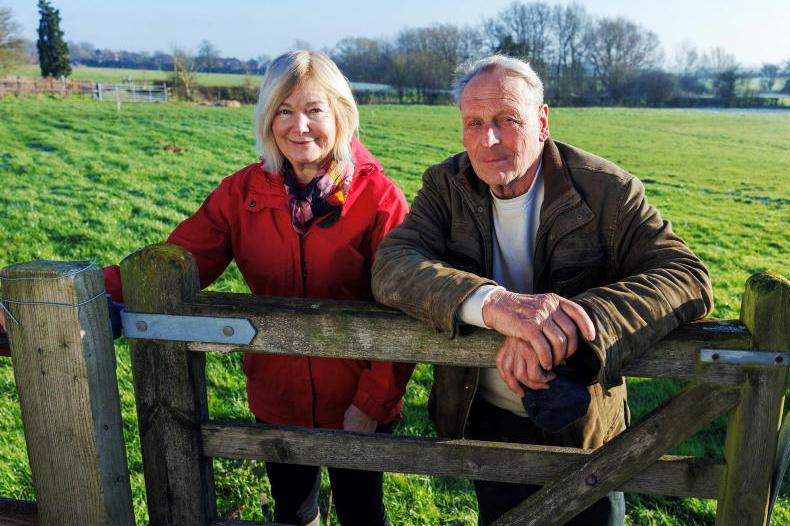
I received a phone call from my neighbour's wife earlier this week.
She was in quite a distressed state, having spent the previous fortnight at the computer preparing documentation on every activity at the farm right down to the MOT certificate for the sprayer of the contractor who occasionally comes on the farm.
It’s got so detailed you feel that they’ll next be asking for his inside leg measurement.
Her son had hurried to obtain a waste license to transport plastic to the tip. He had to renew his medicines administration certificate - dairy farmers have to do this every five years and beef farmers once in a lifetime.
Perhaps dairy farmers are so comparatively stressed they have shorter-term memories.
When we were picketing supermarket depots 20 years ago in a bid to raise the milk price, someone came up with the idea of the Red Tractor label on British-produced food stuffs to differentiate it from imported. Great idea.
What we didn’t realise that there was a whole nursery of potential civil servants and government inspectors out there waiting in the wings to morph into a stringent strident body who, every year, introduce more and more demanding regulations for what we no longer see as a financial incentive, but is now basically a stick to beat us rather than an advantage on the supermarket shelf.
So much so that it is now demanded by your milk buyer to grant your license to produce milk.
Farm safety
Last week, I went to visit a farming friend of mine who has spent the last three years in a wheelchair paralysed from the neck down.
The farming industry has an appalling record of fatal accidents. Part of this is because it is an ever-changing landscape of different tasks presenting a massive variety of risk.
Secondly, tiredness and rushing to finish in time for afternoon milking may come into play.
An acquaintance of mine is retired and has a part-time job. He is a scaffold inspector. When scaffolding is erected, no one can venture on to it until he has inspected it and passed it as safe.
Unfortunately, farming has neither finance nor time to employ a risk assessor, so we have to make a judgment sometimes on the spur of the moment, sometimes with disastrous results.
On the fodder front, we have had a small amount of rain, minuscule in comparison to what is needed.
We achieved a grand total of two bales to the acre at a cost of £18 for the grass in each bale before we cut it.
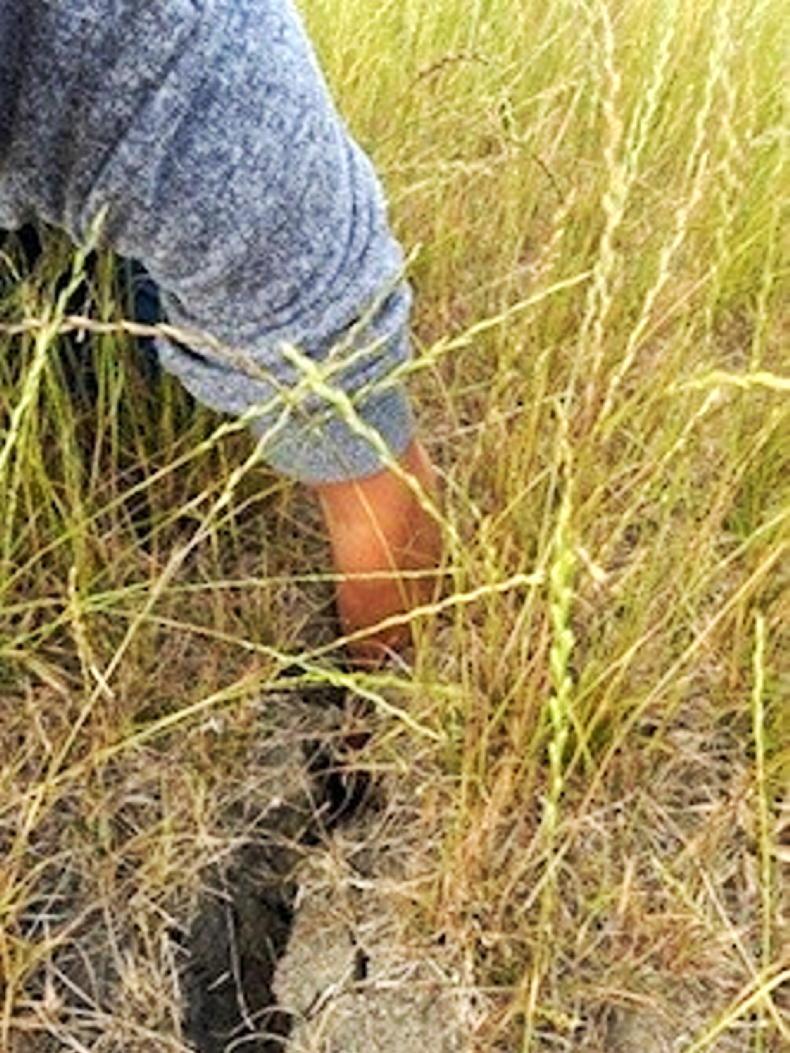
The picture above of a crack in the ground shows that my son-in-law's arm went in up to his elbow.



SHARING OPTIONS