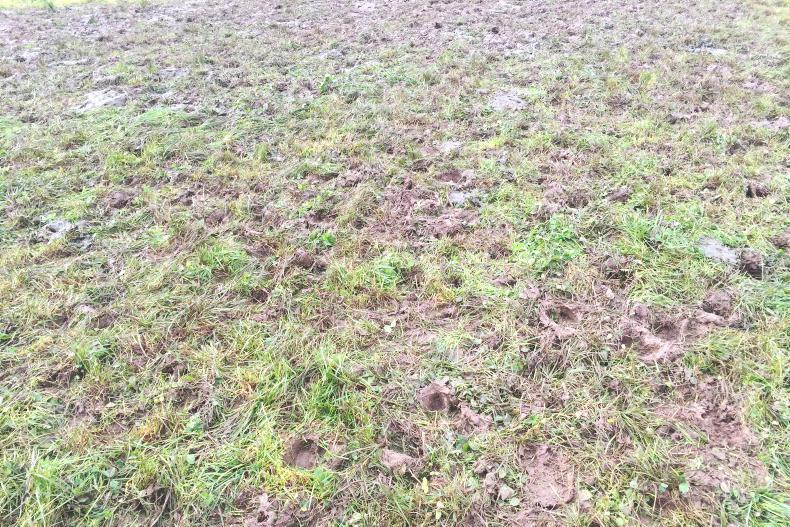
My barometer has been falling rapidly and it is lashing rain outside. I am glad that the few cattle that I have are gone, as they would be losing weight outside and they would not be doing the paddocks any good either.
The deer have their backs to the rain and gale, but they are fine. They have a good waterproof outer coat and a warm inner one. They are happy to be out-wintered and even when I did provide a shed, they tended to lie out in the open. The stag is not rutting any more and hopefully has satisfied himself and his harem.
When it dries up a bit, I am seriously thinking of planting some trees this autumn and winter. It can be profitable and provides a great interest for farmers. There are no deadlines to follow and therefore no pressure. If you plant in one of the forestry schemes, the cost of fencing and planting are covered and a premium is paid annually for fifteen years. To me, it is a win-win situation.
I have planted a few acres under the Native Woodland Scheme and another lot in one of the general afforestation schemes. These trees are now about ten years old and are looking well. The first lot are a mixture of oak and scots pine, with a few other natives thrown in, such as hazel and wild cherry. A small portion of the plantation is ash on its own - a slight worry due to the risk of the dreaded ash die-back disease.
The other planting is a mixture of hybrid larch with oak, with one row of oak and one row of larch. A few scots pine are planted on the perimeter. Larch also has a new disease, but the hybrid variety may be alright.
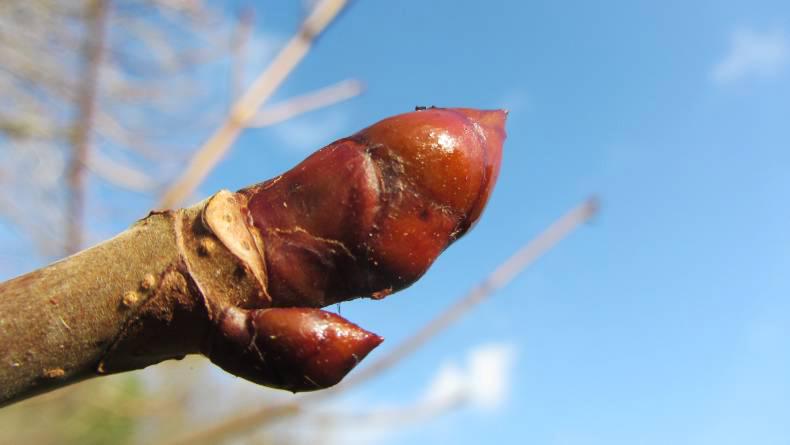
All the required information is available from the Forestry Service and Teagasc are also very helpful and knowledgeable. A minimum of 0.1 ha is required to be grant-aided for broadleaves. When thinning your trees, you will have a ready supply of timber for stove or boiler.
Even if you do not want to plant under a scheme, please plant some trees anyway. It’s helpful to the environment not just for wildlife, but also for carbon sequestration. You will have the advantage of not being tied by rules and regulations and you can choose from a wider selection of species.
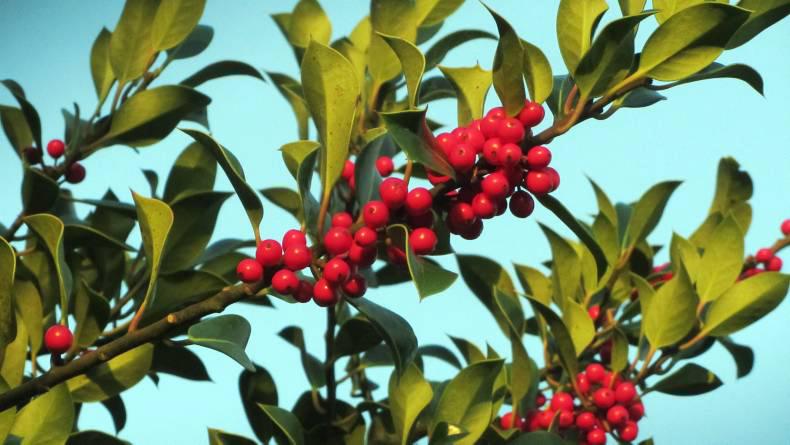
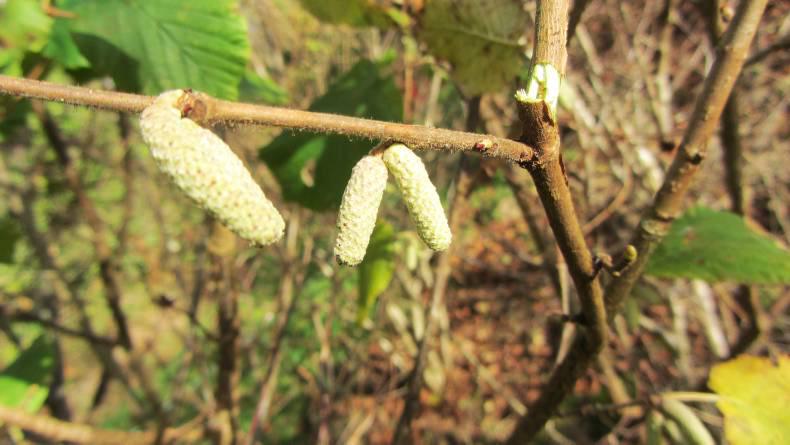
You won’t go wrong with natives, but you can plant some exotics for added interest (Last month I suggested scots pine and hazel for
My barometer has been falling rapidly and it is lashing rain outside. I am glad that the few cattle that I have are gone, as they would be losing weight outside and they would not be doing the paddocks any good either.
The deer have their backs to the rain and gale, but they are fine. They have a good waterproof outer coat and a warm inner one. They are happy to be out-wintered and even when I did provide a shed, they tended to lie out in the open. The stag is not rutting any more and hopefully has satisfied himself and his harem.
When it dries up a bit, I am seriously thinking of planting some trees this autumn and winter. It can be profitable and provides a great interest for farmers. There are no deadlines to follow and therefore no pressure. If you plant in one of the forestry schemes, the cost of fencing and planting are covered and a premium is paid annually for fifteen years. To me, it is a win-win situation.
I have planted a few acres under the Native Woodland Scheme and another lot in one of the general afforestation schemes. These trees are now about ten years old and are looking well. The first lot are a mixture of oak and scots pine, with a few other natives thrown in, such as hazel and wild cherry. A small portion of the plantation is ash on its own - a slight worry due to the risk of the dreaded ash die-back disease.
The other planting is a mixture of hybrid larch with oak, with one row of oak and one row of larch. A few scots pine are planted on the perimeter. Larch also has a new disease, but the hybrid variety may be alright.
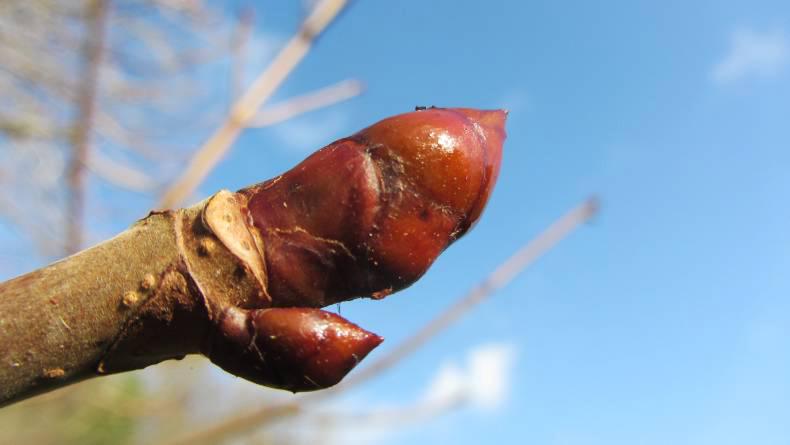
All the required information is available from the Forestry Service and Teagasc are also very helpful and knowledgeable. A minimum of 0.1 ha is required to be grant-aided for broadleaves. When thinning your trees, you will have a ready supply of timber for stove or boiler.
Even if you do not want to plant under a scheme, please plant some trees anyway. It’s helpful to the environment not just for wildlife, but also for carbon sequestration. You will have the advantage of not being tied by rules and regulations and you can choose from a wider selection of species.
You won’t go wrong with natives, but you can plant some exotics for added interest (Last month I suggested scots pine and hazel for







SHARING OPTIONS