We’re down to 47 cows milking here now outside Abbeyleix. We dried off 49 during the week, and the last of them will be wrapped up on the 22 December. At this stage of the year you’d expect yields to be slipping back, and they are – the herd is doing about 11.5 litres at the minute. But in fairness to the cows, solids are still up at 5.9% fat and 4.5% protein on the last few collections, so I can’t complain.
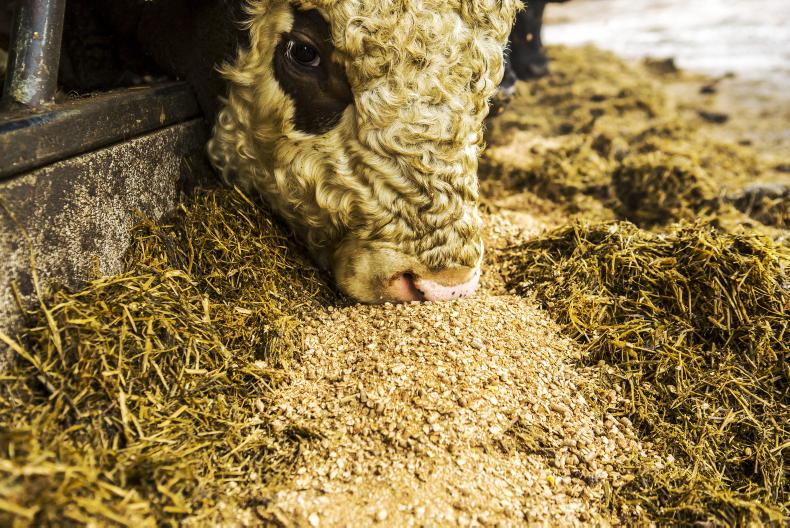
Considering they’re only on 68 DMD silage and 4kg of nuts, I’m happy with them. The cell count has stayed fairly steady too, sitting between 110,000 and 140,000, which is grand for late lactation. It’s always a relief when things don’t start going wrong on you in November or December.
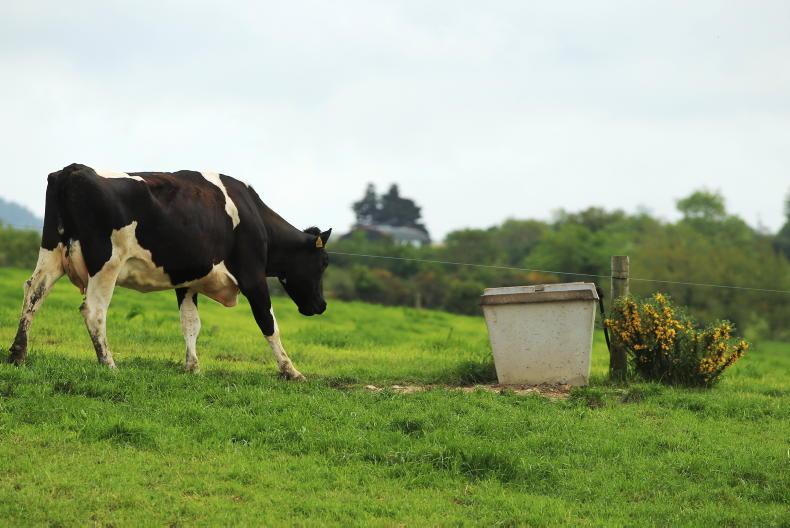
I did the closing cover last week and we came in at 890kg DM/ha, which I’m happy enough with going into spring. One paddock has a high cover – about 2,000kg. A lot of people would say that’s far too heavy for the backend, and maybe it would be on wetter ground, but this field is bone dry and it has carried big covers for me before. The grass is still a great green colour and doesn’t look like it will melt away, if the grass was yellowish, I woudn’t carry it.
I’ve done this in other years and it worked out grand, so hopefully it’ll be the same again. I’ll be only delighted with that grass come February or March. I wouldn’t leave a cover like that on any of the heavy fields though.
TB
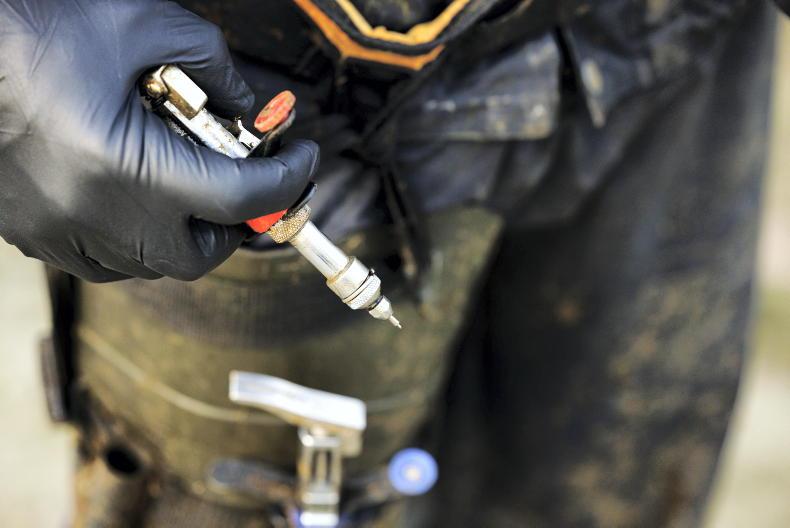
We had the annual TB test last week and, I’ll be honest, it’s the first time I was genuinely nervous about it. Two neighbours on either side of us – farms that haven’t had TB in over 30 years – went down recently. When you see that happening on both sides, you’d be worried.
And sure enough, we went down ourselves – with three cows. We’ve never had TB here before, so it hit home fairly quickly what’s involved. You always hear about the hassle and the knock-on effects, but until you’re stuck in the middle of it, you don’t realise just how disruptive it is.
There are no badger setts on the farm that we’re aware of. We’ve always kept an eye out and never saw any sign, so we’re left scratching our heads. Maybe a passing badger we never spotted, maybe cattle-to-cattle across a boundary – you just don’t know. That’s nearly the worst part: when you don’t know where it started, you don’t know how to stop it happening again.
Losing the cows is one thing, but it’s everything that comes after – restrictions, extra labour, plans turned upside down. The earliest we could be clear is May, and that’s only if we get no more reactors.
All calves now have to be kept on the farm, which throws the whole system out of sync. The breeding bull sales are gone for this year anyway, and maybe next year too, depending on how it plays out.
We’re lucky enough that we have the buildings to make it work. By shifting the straw into another machinery shed and setting up five new pens for 11 calves in each, we’ll just about manage – but it’ll be more work, no doubt about it.
It shows how vulnerable every farm is, no matter how clean a record you have. You can be doing everything right, and one test can turn the year on its head.
All we can do now is hope for a clean test in the spring and deal with what is in front of us. Farming will always throw challenges at you, but you just have to keep going and take the wins when they come.