Mid-July seems to be the time when it gradually dawns on me that the workload has started to ease and a wee bit of metaphorical breathing space has entered my farming.
The intensity of lambing, followed by the subsequent feeding and management of all livestock translate into a few months of steady pressure. Silage making always increases my anxiety, but eventually things appear to be under control.
I try to then reward myself by not busting a gut on the work front and make a conscious effort to take the time to appreciate and enjoy what we, as farmers, have on our daily plates.
I’ll be in no hurry to complete the rounds on the quad bike, and if I happen to bump into (not literally) any of the neighbours out walking their dogs I’ll stop for a short blether with them.
The recent incredible weather exaggerates this, because riding round local roads in a T-shirt and shorts at 8am is an unfamiliar bonus in our climate. And of course, just as I was beginning to think that NI had the best weather imaginable (I know, I’ve a short memory), a number of things combined to bring back the old stress and worries I’ve become so used to.
Less desirable
The fantastic spell of warm and dry conditions gradually morphed into something altogether less desirable. Grass stopped growing, and while other parts of the country received adequate rainfall, the east coast missed most of the passing showers.
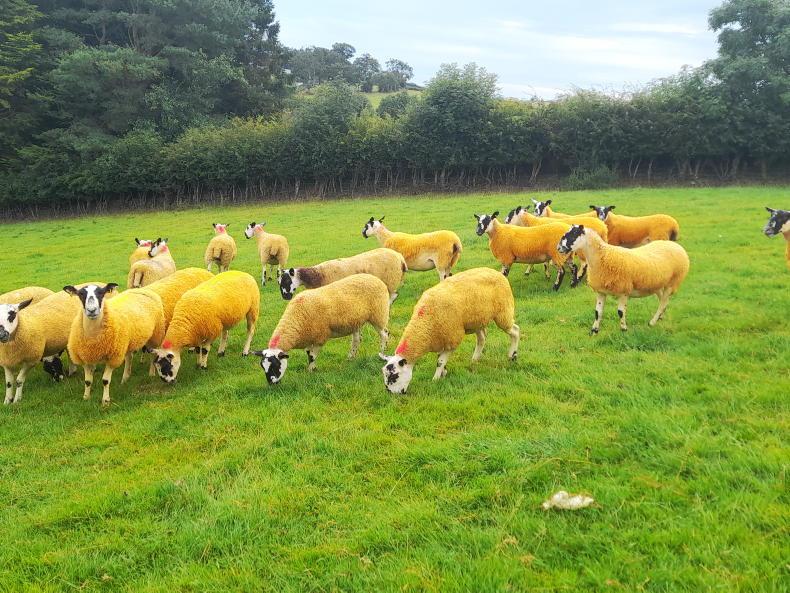
More and more lambs required a bit of meal feeding to keep them moving forward, and weaned ewes had to be kept on tight bounds: there was no spare grazing for thinner ewes and culls.
On the cattle front, some beef bullocks were sold to make space, and I found myself looking ahead three or four weeks to see if the crystal ball could magically provide a few extra fields of lush grazing. It couldn’t.
Anxious
Then, with holidays across the water looming, I had one of those anxious weeks with the joys of a TB test and a quality assurance inspection to look forward to.
The host dairy farm has been stuck with about 150 extra calves and although they have had two clear tests, I was told I needed another one as we are associated herds. No pressure then, Derek. Therefore, my nighttime thoughts (at 3am) centred on what to do after failing the TB test, not passing the FQAS inspection, and going on holiday with no grass for livestock.
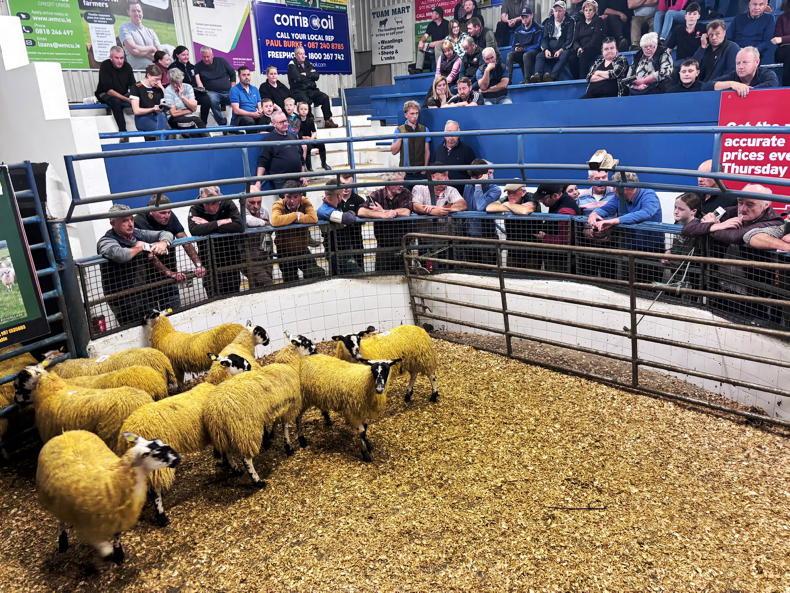
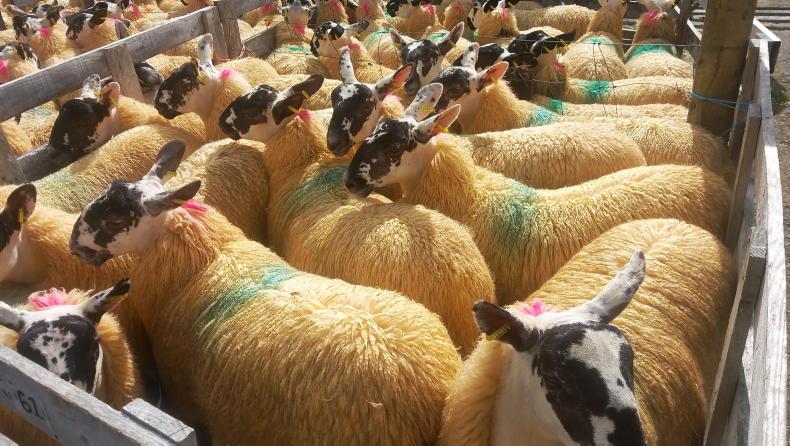
But at least I had the annual mule hogget sale in Ballymena to look forward to. Surprise, surprise, that’s not how it panned out.
Clear
The FQAS inspection went well. The inspector was both thorough and fair, and I may or may not have a couple of minor misdemeanours to rectify.
Then a day later we had the reading of the TB test. To say I was apprehensive would be the understatement of the century. I had glanced at a few of the heifers in the mornings and this is possibly the worst thing you can do. Some of the wrinkles in their necks can look remarkably like a big bottom lump (never a top one) and it is incredibly easy to convince yourself she’s a reactor.
In fact, at our last test, I was putting a batch of bullocks back down a lane and some of their lumps looked to me, like the size of half tennis balls twenty minutes after being injected. Those swellings seemed to recede inside 24 hours, but it taught me not to go looking so soon.
Miraculously, all my worrying had been for nothing because we had a completely clear test. Only another farmer with my anxiety issues could appreciate the absolute relief as the last beast exits the crush. I would have hugged the vet but he’s just not a particularly emotional or touchy feely sort of person.
Beauties
Therefore, I set off next morning for Ballymena, full of the joys that only farming can provide. I was going to buy a few pens of real ones; big beauties that would please a crying child. Wrong again.
Someone turned up with apparently bottomless pockets, looking for about 500 sheep.
I watched in horror as all the pens I had taken a fancy to, pre-sale, made over £400.
Now, I know I can get carried away when bidding for ewes, but I do have my limits and they’re a long way short of four hundred quid for a mule hogget.
In the end I lowered my sights a bit and bought two pens of lovely hoggets for £325 apiece. Now that they’re home, I’m really pleased with them and glad I didn’t stretch myself for those fancy ones. Imagine paying £450 for a breeding ewe – at current prices I can keep more than three homebred ewe lambs for the price of one. That’s a bargain even the supermarkets couldn’t match.