



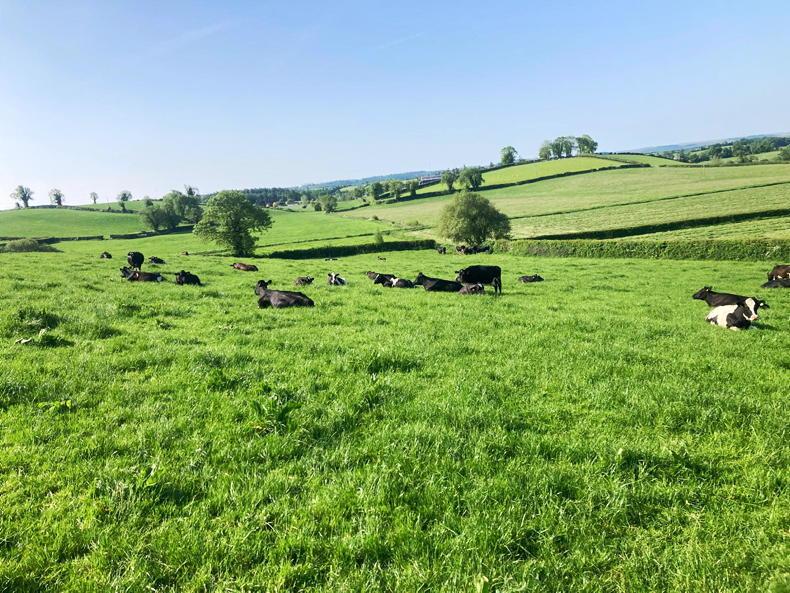
Making decisions around succession is probably the biggest financial and emotional deal we will ever complete.
That in itself creates mental torture for some. But, like lots of things in life there are no rules and you can do it on your own terms - ultimately the only person or people with any say are those with legal ownership of the business.
Succession should be viewed as one of the most positive experiences within agriculture, as allowing young people into any industry can only bring new energy and ideas.
Today my succession plan is quite simple; to be financially independent from the core farm business as early as possible, which is currently 57 years old (the earliest you can draw a personal pension).
Why? My kids still dream of being scientists and jockeys and may never venture to the farm for a career. But then again, they might. If I can remove myself financially from the farm at a relatively young age then a whole host of opportunities suddenly become viable.
If my kids decide to farm, provided I don’t mess things up between now and then, the business should have the repayment capacity to borrow for expansion, improving or diversifying.
They can put their stamp on the business, experience dealing with debt first hand while getting the satisfaction and lessons of developing something.
It will also create the opportunity of having extra hands on deck when required, without the pressure of providing multiple household incomes or paying for labour that is becoming increasingly hard to source.
However, succession doesn’t have to mean keeping it in the family or that an arrangement will last for ever. The above could be agreed with an outsider and/or for a certain period of time.
Such third-party deals are an option, although they can get very complicated if you let them. They can also create unwanted tax implications, so as ever planning and research are paramount.
Land
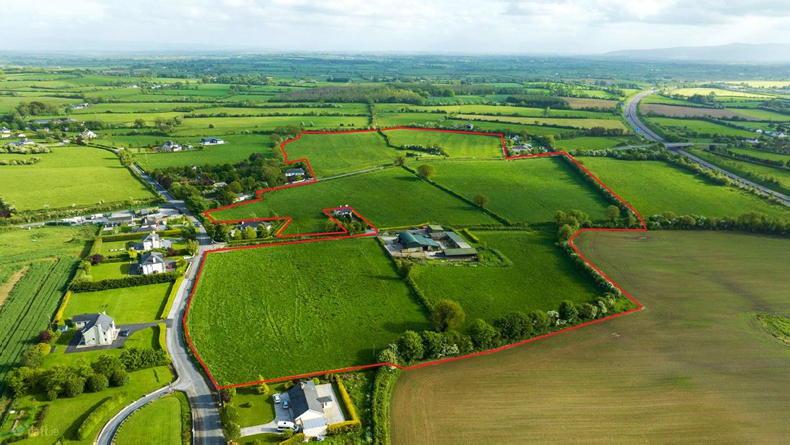
My plan is based on the business only and not the hard assets, i.e. the land. The land can create a whole host of discussions around kitchen tables and can cause friction, while legal advice will always raise the question of marital issues.
In addition, passing assets to the next generation with terms and conditions attached doesn’t sit well with me. If I want to provide for non-farming siblings or a pension for myself then I feel it is my responsibility to do so. If something needs to be sold to do that, then I need to take responsibility for that, not leave it for the next generation to sort.
By separating the business and the land we have the opportunity to create proper multi-generational ownership. Everyone can have their clear roles within the business while allowing for a degree of independence.
Tension
Tension seems to happen when assumptions and expectations wrongly occur within both junior and senior parties. Planning, evolving and communicating can relieve most of this.
Perhaps by just initially concentrating on the business (and not the land) it can focus everybody’s mind and may make concessions from all parties more acceptable.
It is also important to identify and define key moments in the history of the farm.
Are we talking about inheriting the progress and value the current custodian added to the five generations beforehand, or is the junior party inheriting the work done by all six generations?
Did we take stock of where the business was 20 years ago when junior really started contributing? Or are we only taking stock now after junior has invested half a career in the business?
Like lots of things in life, my views evolve as more grey hair appears. But if we view succession purely as a way of transferring assets tax efficiently, we risk preventing young farmers from having progressive and ambitious careers.
Succession should be a positive opportunity providing career highlights and farming independence. It shouldn’t spoil the fun and progress of family farming.
As a wiser man than me once said, it is about providing a hand up not a hand out.



SHARING OPTIONS