



While I’m sure many farmers are suffering during this prolonged dry spell, thankfully we haven’t been too badly affected.
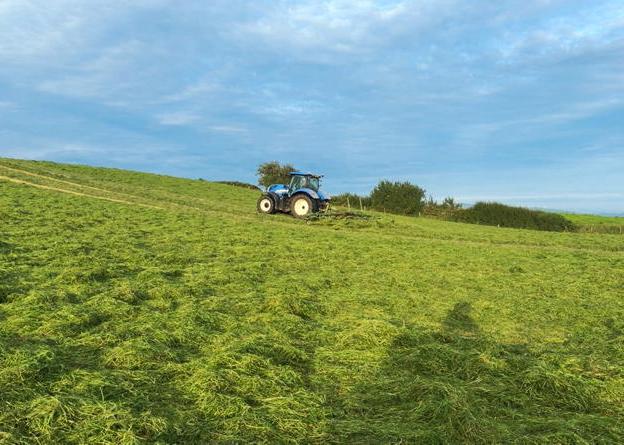
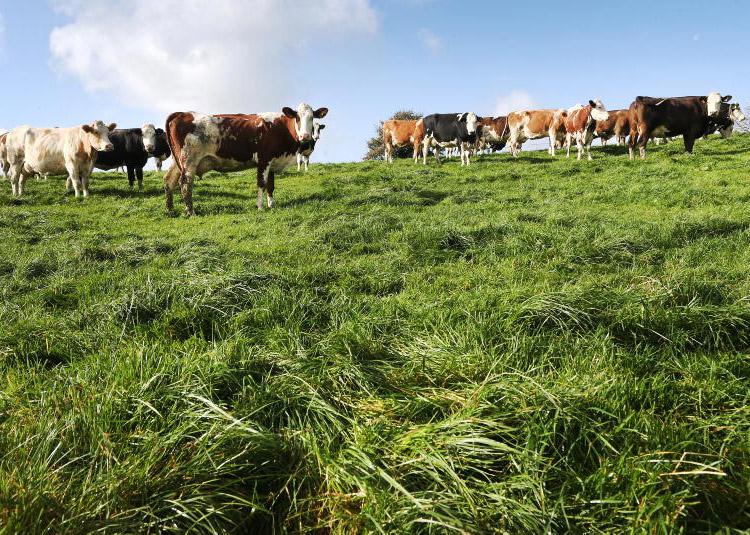
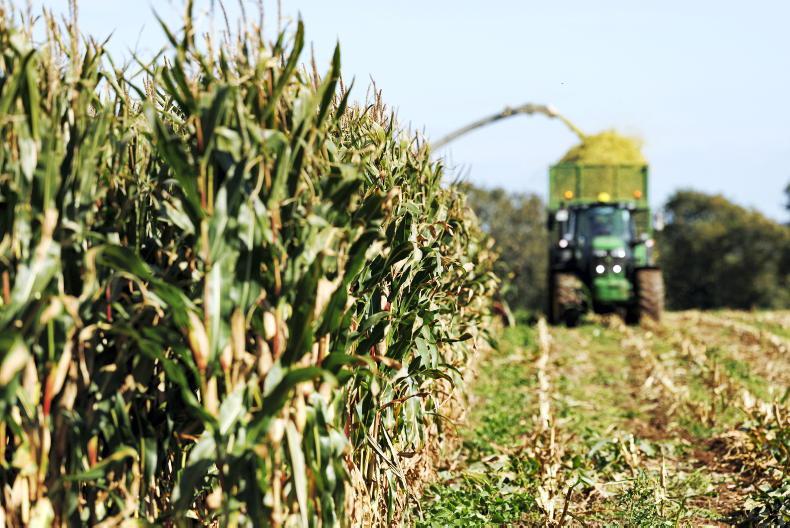
The cows are content grazing and we have extra ground back in the grazing rotation after taking our second-cut silage. That second cut was harvested on 23 June and for once, the weather played ball.
Although I never like looking for rain, I think this is one of the first times I’ve noticed the grass around the stone ditches starting to lose its colour. However, I’m sure the rain will come soon enough without us wishing for it.
But I can only imagine how burnt up some of the farms further east are by now.
Thankfully, our soils tend to hold moisture well, and we usually get that little bit more rainfall.
Back in 2018, I was working on the AFBI research farm at Hillsborough, where cows on some of the grazing trials had to be housed because of the drought. Ironically, that same year turned out to be one of our best growing seasons here in Castlederg, with plenty of grass and the opportunity to utilise it all.
Growth
Although the weather has been good over the past month, grass growth just hasn’t reached its usual levels.
We were talking about it last week and felt the grass has probably been under stress for most of the growing season.
We had a wet spring, followed by a cold May, and now a dry July, none of which is ideal for growing grass.
I currently have 60 acres marked for third cut, but I’m considering taking a further six acres out of the silage ground and grazing it instead.
We have plenty of silage in the yard, and I don’t want cows getting too tight for grass. If we do end up with a surplus of grass later in the season, baling a few extra acres is always an option.
The settled weather has also allowed us to tackle plenty of outdoor jobs. Over the past few weeks, we’ve been carrying out drainage work on parts of our out farm.
This ground was rented out for several years and, if I’m honest, we probably haven’t invested enough time or money in it since taking it back.
Dad bought the farm over 40 years ago, but while digging we’ve found surprisingly few existing drains but plenty of natural springs.
If it was any closer to the home yard, we would put in well liners but it just doesn’t make financial sense when it is just grazing for heifers. Over the past few weeks, we’ve installed somewhere between 150 and 200 metres of new drains.
I do find that whenever we’re busy with fieldwork, other jobs around the farm can start to slip because there just aren’t enough hours in the day. However, we don’t often get a dry spell like this that allows us to complete drainage work.
TB test
At the time of writing, we have another busy week ahead. First up on Monday morning is the dreaded TB test.
We’re currently open and hopefully that remains the case, but only time will tell.
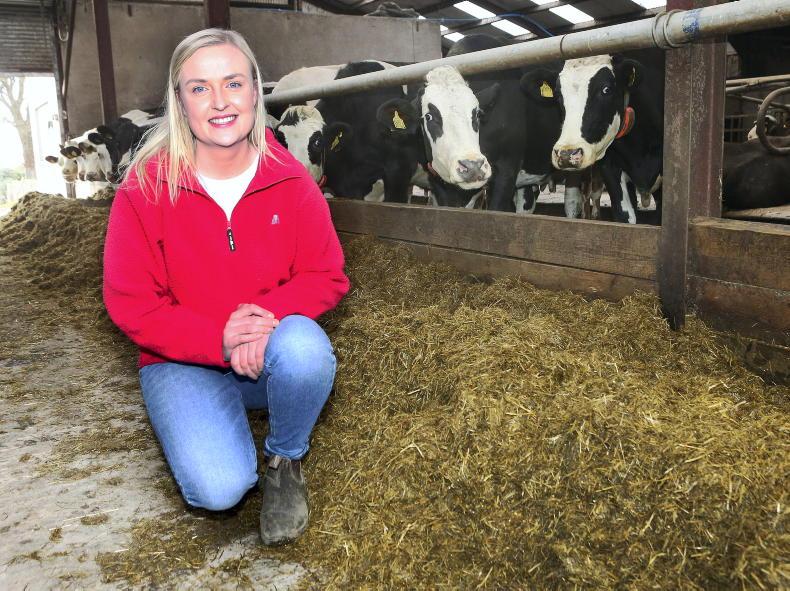
Over five years ago we converted one of the sheds into a drafting system for the milking herd. Now, for jobs like the TB test, the cows come straight out of the parlour, through the crush and are tested immediately after milking.
It has made a huge difference, reducing stress for both the cows and ourselves, while also cutting the time it takes to test the milking herd by at least half.
Dry off
On Tuesday we’ll dry off the first group of cows due to calve in October. They’re naturally beginning to tail off in milk and drying them off now will also take a bit of pressure off the grazing platform for the rest of the herd.
Last week we baled a field that had been sprayed off two weeks prior.
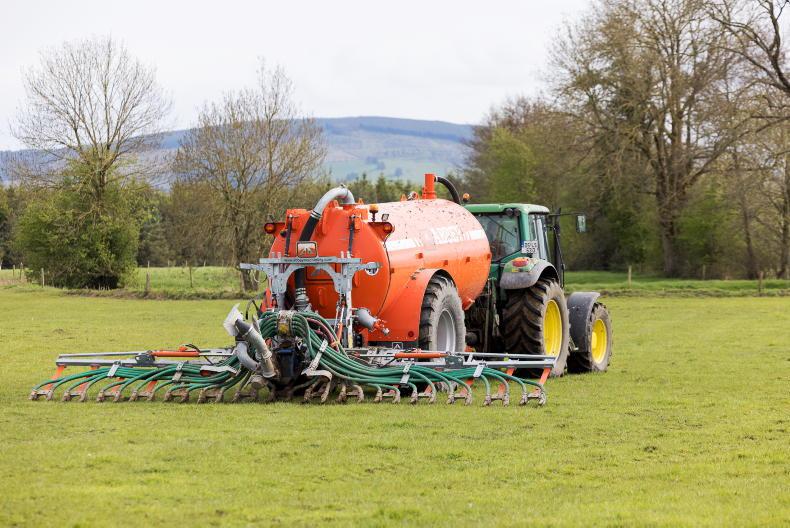
The plan for the rest of the week is to spread slurry and farmyard manure on it, then get it ploughed and prepared while the weather is still on our side. Hopefully, we’ll get the field reseeded before conditions change.
Like every summer, we’re trying to make the most of the weather while it lasts. The jobs never seem to end, but we’ve learned to take every dry day when it comes, because it rarely lasts long in the west.


SHARING OPTIONS