



DEAR SIR:
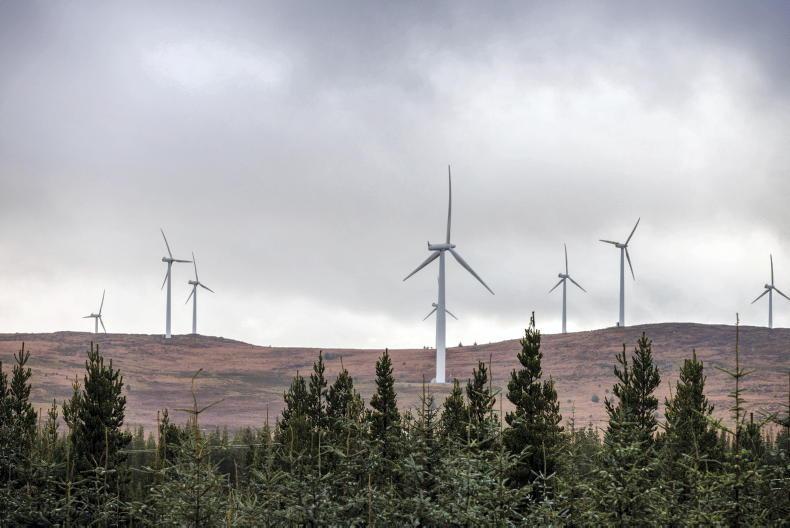
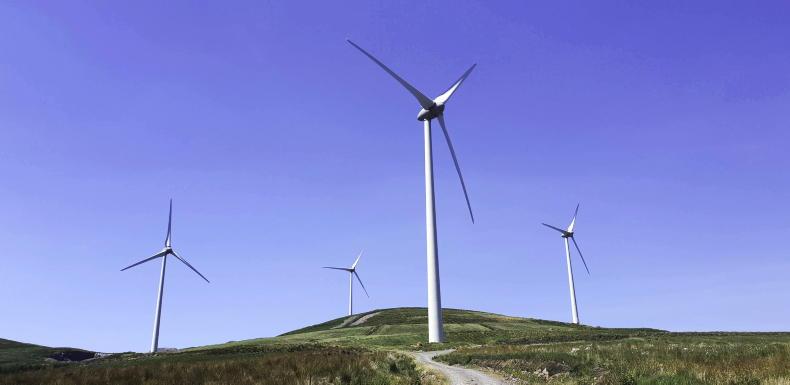
Rory McKevitt’s attempt to discredit our proposal to convert Moneypoint to biomass is based on some lazy and misleading analysis. Those who have read our reports will know that we are not saying that Ireland does not need wind; just that it already has enough.
The reason for this view is that converting Moneypoint to biomass is cheaper than building more wind. Mr McKevitt fails to acknowledge that building more wind farms will impose additional costs on the transmission system, owing to the variable nature of the wind.
Accommodating the first 20% of wind was comparatively easy, accommodating the second will be far more expensive, as confirmed by the Single Electricity Market Committee last year.
We are quite happy to have our cost estimates reviewed. We checked that our estimate of the conversion costs of Moneypoint of €380m (not €350m quoted by Mr McKevitt) was “of the right order” with ESB, as the general manager for Moneypoint, Brendan Murphy, confirmed at an open meeting in Kilrush in January. Mr McKevitt mentions the far higher relative cost of a new station being built in Mayo as if this is somehow relevant. He ignores the fact that Moneypoint does not need to build new boilers, turbines, transformers and switchgear! So it is not surprising that Moneypoint is far cheaper.
Similarly, our fuel estimate (€7.5/GJ) was based on published information of Drax’s supply costs. We adjusted for Moneypoint’s superior location on the Shannon and the ability to load directly from large bulk carriers, rather than have to tranship to rail and carry some 60 miles to Drax. We cross-checked this with published market prices for biomass pellets and shipping costs from the ports of southern US, as well as prices in northwest Europe. We also considered the potential for Ireland to produce biomass pellets. Work at UCD by Prof Jimmy Burke suggests that a sufficient supply chain could be viable at €6/GJ but only if long-term contracts are available.
Mr McKevitt’s analysis behind his assertion that biomass at Moneypoint would cost €135/MWh amounted to taking the £105/MWh the British government agreed to pay for Drax and converting it into euro.
Strategic decisions on delivering clean, secure and affordable power should be based on fact.


SHARING OPTIONS