



Bord Bia's new food processor standard (FPS) requires processors to submit a three- to five-year sustainability plan, which is designed to ensure adherence to best practice in food processing from intake through to dispatch.
The new standard for food processors combines and replaces the meat processor quality assurance standard (MPQAS) and the prepared fruit and vegetable standard (PFVS).
The FPS will become mandatory from 15 November 2022, but processors can opt to be audited against the new standard from 15 May.
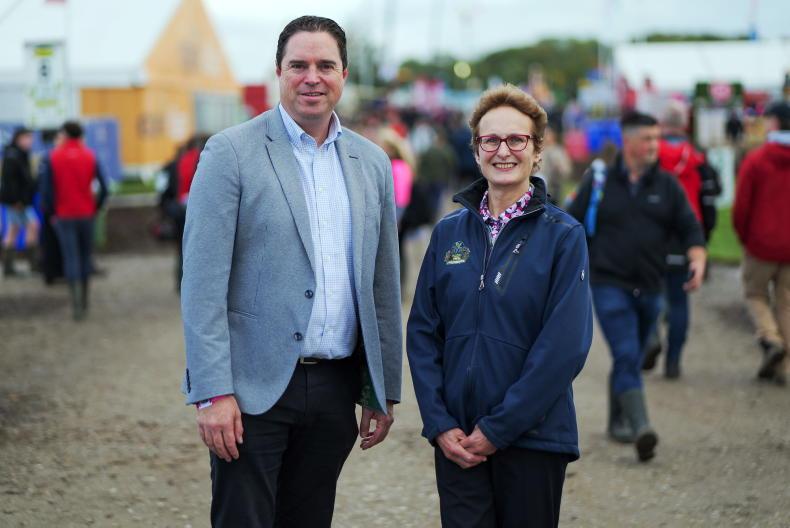
Head of operations at Origin Green Alice McGlynn said that the new standard’s requirements are "not vastly different from the previous schemes", but there is greater emphasis on sustainability, food safety and, for meat processors, animal welfare.
Verified
To achieve certification to the standard, businesses will be required to have an independently verified sustainability plan in place, such as with Origin Green membership.
The sustainability plan submitted must set targets and track progress over time.
Members must also provide evidence of an appropriate food safety culture, which is a requirement of a new EU food safety regulation.
The standard is structured into five core modules to allow members to tailor the scope of their certification to match their operations.
Modules A and B are mandatory for any processor that wishes to use the Bord Bia logo on packs.
Modular approach
Bord Bia has said that this modular approach facilitates a more "agile response to changing market and legislative demands".
McGlynn added: “From a marketing perspective, the new standard will demonstrate to national and global customers that Irish food processors are continuously evolving their practices to meet increasing market demands around sustainability, transparency, traceability and authenticity, across all aspects of animal and food processing.”
Bord Bia currently operates schemes for primary producers of beef, dairy, lamb, poultry, pig, egg, feed, and horticulture.
The standards are developed through a technical advisory committee made up of representatives from the industry, Bord Bia, farm organisations, Teagasc, the Food Safety Authority of Ireland, the Department of Agriculture and other regulatory experts.



SHARING OPTIONS