While Irish agriculture employs just 4% of the national workforce, in 2024 it accounted for one third of workplace fatalities, and in fact has frequently accounted for up to 50% of all workplace fatalities.
Of those workplace fatalities, 55% are caused by tractors and farm machinery. Figures show tractors and quads are the two most dangerous machines on Irish farms.
Farmers and contractors must check that all tractors and machinery are suitable for the job, and that they are properly maintained, paying particular attention to brakes, steering, hitching of implements and ensuring a clean, cutter free cab with good visibility.
It is important that tractor and machinery operators are skilled and competent and they understand the equipment, and put safety first.
Tyres and lights
The winter months can be long and dreary, with tractor and loader work often being carried out in the dark. Good work lights make dark tasks that little bit easier, and are a lot safer for others around the farm.
The same applies for road lights. Chances are that while you are driving a tractor on the road, you are the slowest moving vehicle.
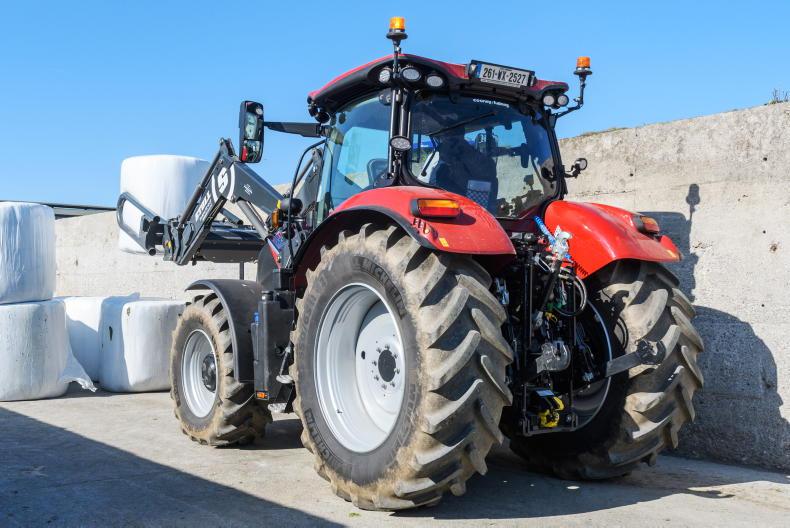
Make sure all lights are working, especially the beacon, which is required when on the road. Lights are not just for your visibility but for other road users too.
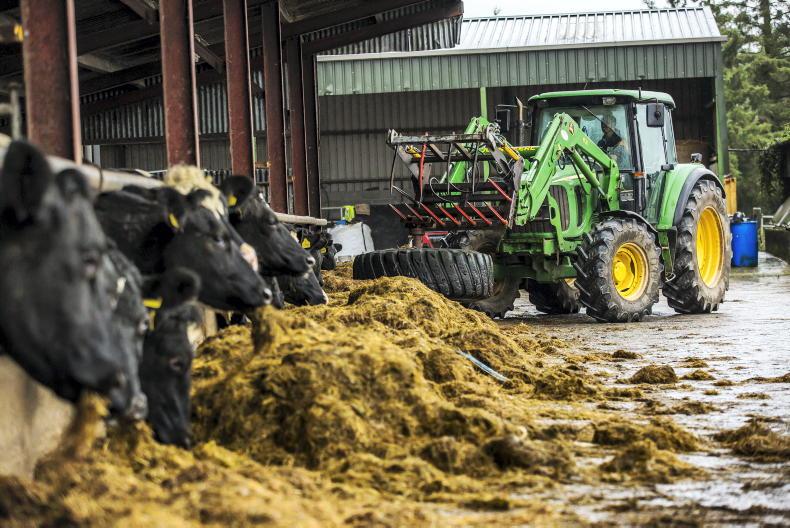
Coming into this time of the year, the busiest tractors will soon be loader tractors. Tyre condition, especially front tyres, is very important.
Tyres with splits or signs of perishing should be replaced. Get them checked by your local tyre specialist. Pressures should be within spec and the same for each front tyre.
A difference will make the tractor less stable with weight on the loader. Check that all wheel nuts are present and tightened to the correct torque.
Cab
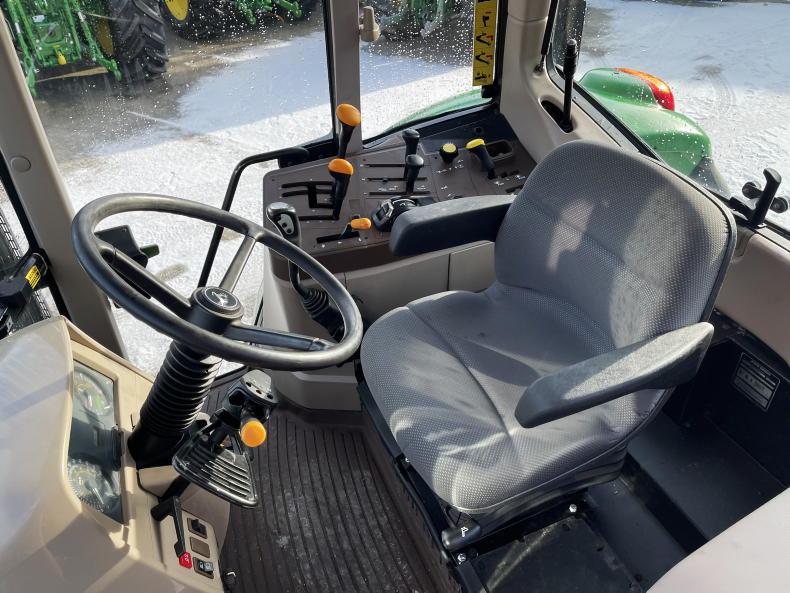
Before beginning work, the seat should be correctly adjusted, and the operator should take time to familiarise themselves with cab controls and their functions.
Users should correctly enter the tractor using the steps and hand rails. Remember, the older you get, the less forgiving gravity is. Before beginning work, the seat should be correctly adjusted, and the operator should take time to familiarize themselves with cab controls and their functions.
Good house-keeping does not require any qualifications. Keep the cab floor free from any clutter, in particular beside the hand-brake and behind the seat.
We don’t want any bottles or rubbish rolling around the floor, obstructing the use of pedals/controls. Items such as net or feed bags will get caught up in controls, or worse, your feet.
The mirror is perhaps one of the most essential pieces of equipment on a tractor/loader. Whether around the yard or on the road, it is something that is in constant use.

Whether around the yard or on the road, the mirror is something that is in constant use.
Mirrors are especially vulnerable to damage, particularly on our vegetation-laden ditches. Most glasses are inexpensive and are easy to replace. Effective front and rear wipers are essential. Most wiper head replacements are not expensive. Good practice is to change front and rear wiper heads together, before winter arrives. Don’t forget to refill the washer bottle too.
Brakes
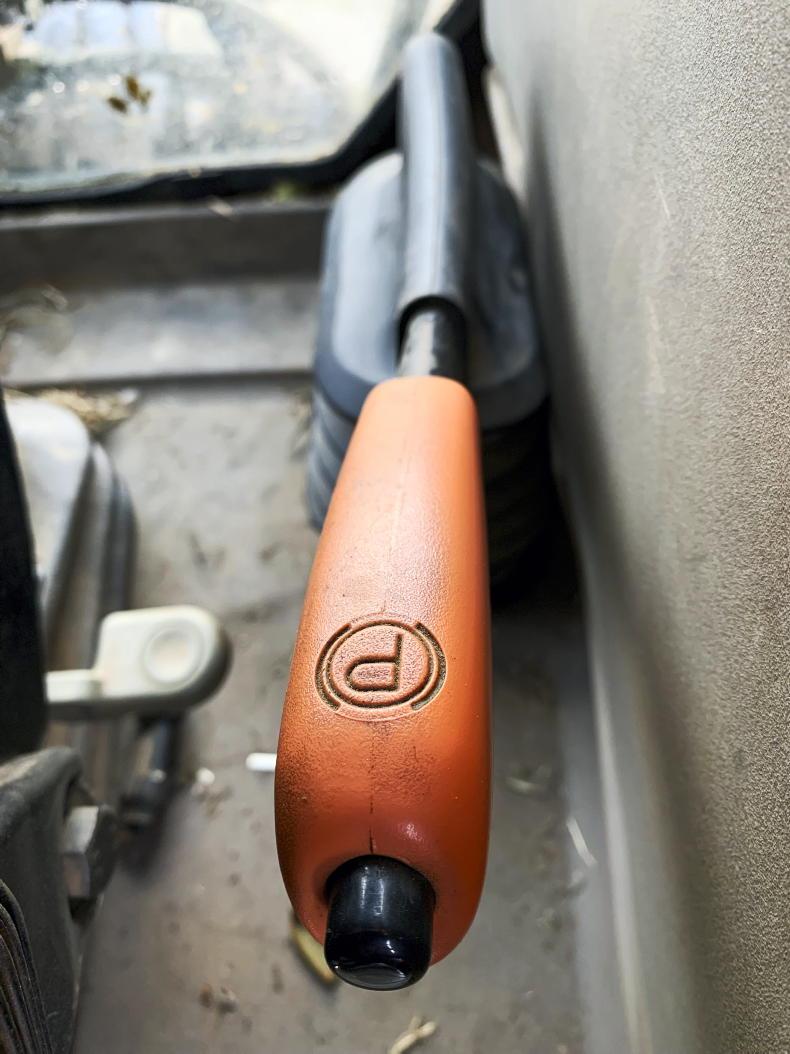
The handbrake must be functional, this is non-negotiable.
A faulty or ineffective handbrake is one of the more dangerous defects on any tractor. The handbrake must be functional, this is non-negotiable.
Ensure the tractor has functional brakes. Implements such as a trailer or slurry tanker should have working and correctly adjusted brakes for adequate braking power from both a safety perspective, and to prevent further costly wear on the tractor’s brakes.
PTO
The PTOs a hugely dangerous part of the tractor. When operated at full speed, a PTO shaft will rotate clockwise at 540 revolutions per minute (rpm). It’s vital the PTO U-Guard cover is present and intact. Likewise, check the shaft cover is on safe, and safety chains are present.
Hydraulics
Hydraulic systems store oil under high pressure. Pressure is measured in pounds per square inch, better known as PSI. As an example of how dangerous hydraulics systems are, they could offer up to 3,000psi.
To put this into perspective, 100psi would penetrate your skin. Never place a finger near any leak in a hydraulic hose pipe. This is likely to cause infection. Even if the smallest amount of oil is forced under the skin, seek medical assistance.
Operators should examine the condition of hydraulic hoses and couplings before using them. Damaged pipes or couplings should be repaired or replaced.
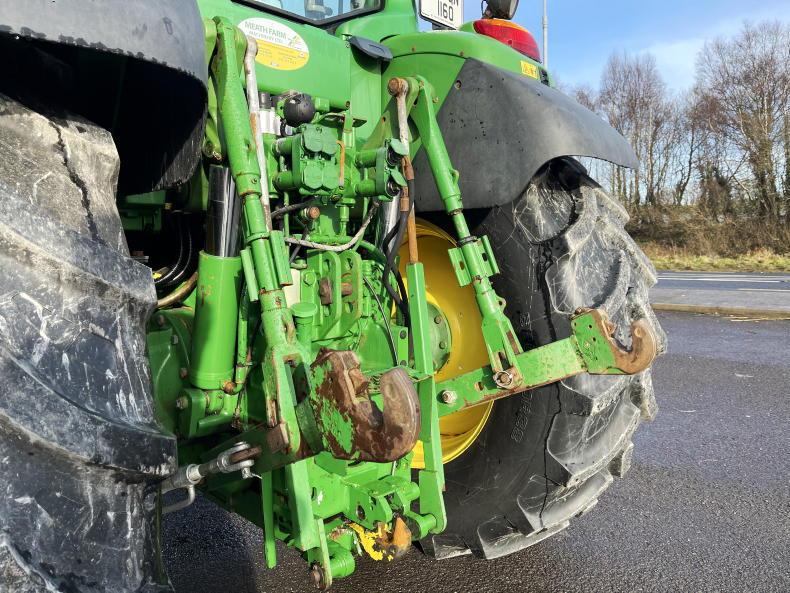
While using mounted implements, stabilsiers should be in place and working/moving freely - this is important and often overlooked.
Hooking on implements
When attaching implements, always try and avoid placing yourself in a crush zone. Before hooking up a trailed implement check the towing eye for wear. Once attached, check that hitch is locked into place. It’s good practice to grease and lubricate areas such as rear linkages, front loaders, rock-shafts and hitches to ensure they are not seized.
Make sure the hitch locking mechanism both releases and locks correctly. Rectify or get repaired if required. An escaped trailer, feeder or spreader will not end well.
While using mounted implements, stabilisers should be in place and working/moving freely – this is important and often overlooked. Their purpose is to secure the implement and prevent unwanted implement movement/ swaying which could cause the operator to lose control of the tractor.
Front-end loader
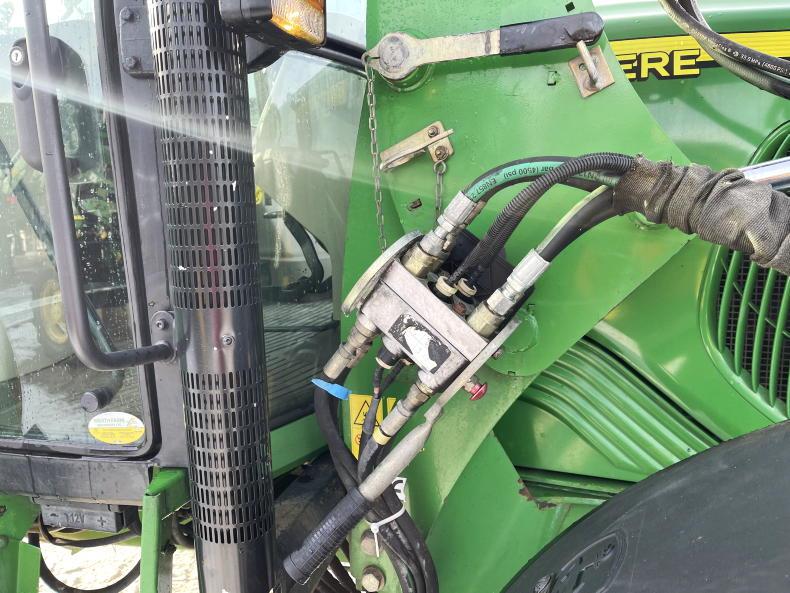
If a front-end loader is fitted, the loader brackets that attach the loader on to the tractor should be inspected for signs of wear or any cracks.
If a front-end loader is fitted, the loader brackets that attach the loader on to the tractor should be inspected for signs of wear or any cracks. Any cracks should be dealt with, as they pose a serious safety hazard. Operators should be aware of the distance the front loader sticks out while exiting blind entrances.
Driving on slopes
If you use tractors or equipment on slopes, carefully assess the risk of overturning. It’s advised to always assess the slope and ground conditions before commencing work. Consider if it is worth taking the risk of operating on sloping ground. Walk the slope before driving on it and select the right gear before approaching the slope, to avoid gear change.
Safe Stop Procedure
Always practice the Safe Stop procedure. Engage handbrake, place the controls in neutral, turn the engine off and remove the keys. Always park the tractor in a suitable location.
It’s important to lower all hydraulically mounted equipment such as the loader or rear implement. You have to think that someone might be in the farmyard in the dark checking for cows calving. They might not be aware you had a shear grab on the front and very easily walk into it and hurt themselves. It has happened and is easily avoided.
While Irish agriculture employs just 4% of the national workforce, in 2024 it accounted for one third of workplace fatalities, and in fact has frequently accounted for up to 50% of all workplace fatalities.
Of those workplace fatalities, 55% are caused by tractors and farm machinery. Figures show tractors and quads are the two most dangerous machines on Irish farms.
Farmers and contractors must check that all tractors and machinery are suitable for the job, and that they are properly maintained, paying particular attention to brakes, steering, hitching of implements and ensuring a clean, cutter free cab with good visibility.
It is important that tractor and machinery operators are skilled and competent and they understand the equipment, and put safety first.
Tyres and lights
The winter months can be long and dreary, with tractor and loader work often being carried out in the dark. Good work lights make dark tasks that little bit easier, and are a lot safer for others around the farm.
The same applies for road lights. Chances are that while you are driving a tractor on the road, you are the slowest moving vehicle.
Make sure all lights are working, especially the beacon, which is required when on the road. Lights are not just for your visibility but for other road users too.
Coming into this time of the year, the busiest tractors will soon be loader tractors. Tyre condition, especially front tyres, is very important.
Tyres with splits or signs of perishing should be replaced. Get them checked by your local tyre specialist. Pressures should be within spec and the same for each front tyre.
A difference will make the tractor less stable with weight on the loader. Check that all wheel nuts are present and tightened to the correct torque.
Cab
Before beginning work, the seat should be correctly adjusted, and the operator should take time to familiarise themselves with cab controls and their functions.
Users should correctly enter the tractor using the steps and hand rails. Remember, the older you get, the less forgiving gravity is. Before beginning work, the seat should be correctly adjusted, and the operator should take time to familiarize themselves with cab controls and their functions.
Good house-keeping does not require any qualifications. Keep the cab floor free from any clutter, in particular beside the hand-brake and behind the seat.
We don’t want any bottles or rubbish rolling around the floor, obstructing the use of pedals/controls. Items such as net or feed bags will get caught up in controls, or worse, your feet.
The mirror is perhaps one of the most essential pieces of equipment on a tractor/loader. Whether around the yard or on the road, it is something that is in constant use.
Whether around the yard or on the road, the mirror is something that is in constant use.
Mirrors are especially vulnerable to damage, particularly on our vegetation-laden ditches. Most glasses are inexpensive and are easy to replace. Effective front and rear wipers are essential. Most wiper head replacements are not expensive. Good practice is to change front and rear wiper heads together, before winter arrives. Don’t forget to refill the washer bottle too.
Brakes
The handbrake must be functional, this is non-negotiable.
A faulty or ineffective handbrake is one of the more dangerous defects on any tractor. The handbrake must be functional, this is non-negotiable.
Ensure the tractor has functional brakes. Implements such as a trailer or slurry tanker should have working and correctly adjusted brakes for adequate braking power from both a safety perspective, and to prevent further costly wear on the tractor’s brakes.
PTO
The PTOs a hugely dangerous part of the tractor. When operated at full speed, a PTO shaft will rotate clockwise at 540 revolutions per minute (rpm). It’s vital the PTO U-Guard cover is present and intact. Likewise, check the shaft cover is on safe, and safety chains are present.
Hydraulics
Hydraulic systems store oil under high pressure. Pressure is measured in pounds per square inch, better known as PSI. As an example of how dangerous hydraulics systems are, they could offer up to 3,000psi.
To put this into perspective, 100psi would penetrate your skin. Never place a finger near any leak in a hydraulic hose pipe. This is likely to cause infection. Even if the smallest amount of oil is forced under the skin, seek medical assistance.
Operators should examine the condition of hydraulic hoses and couplings before using them. Damaged pipes or couplings should be repaired or replaced.
While using mounted implements, stabilsiers should be in place and working/moving freely - this is important and often overlooked.
Hooking on implements
When attaching implements, always try and avoid placing yourself in a crush zone. Before hooking up a trailed implement check the towing eye for wear. Once attached, check that hitch is locked into place. It’s good practice to grease and lubricate areas such as rear linkages, front loaders, rock-shafts and hitches to ensure they are not seized.
Make sure the hitch locking mechanism both releases and locks correctly. Rectify or get repaired if required. An escaped trailer, feeder or spreader will not end well.
While using mounted implements, stabilisers should be in place and working/moving freely – this is important and often overlooked. Their purpose is to secure the implement and prevent unwanted implement movement/ swaying which could cause the operator to lose control of the tractor.
Front-end loader
If a front-end loader is fitted, the loader brackets that attach the loader on to the tractor should be inspected for signs of wear or any cracks.
If a front-end loader is fitted, the loader brackets that attach the loader on to the tractor should be inspected for signs of wear or any cracks. Any cracks should be dealt with, as they pose a serious safety hazard. Operators should be aware of the distance the front loader sticks out while exiting blind entrances.
Driving on slopes
If you use tractors or equipment on slopes, carefully assess the risk of overturning. It’s advised to always assess the slope and ground conditions before commencing work. Consider if it is worth taking the risk of operating on sloping ground. Walk the slope before driving on it and select the right gear before approaching the slope, to avoid gear change.
Safe Stop Procedure
Always practice the Safe Stop procedure. Engage handbrake, place the controls in neutral, turn the engine off and remove the keys. Always park the tractor in a suitable location.
It’s important to lower all hydraulically mounted equipment such as the loader or rear implement. You have to think that someone might be in the farmyard in the dark checking for cows calving. They might not be aware you had a shear grab on the front and very easily walk into it and hurt themselves. It has happened and is easily avoided.






SHARING OPTIONS