



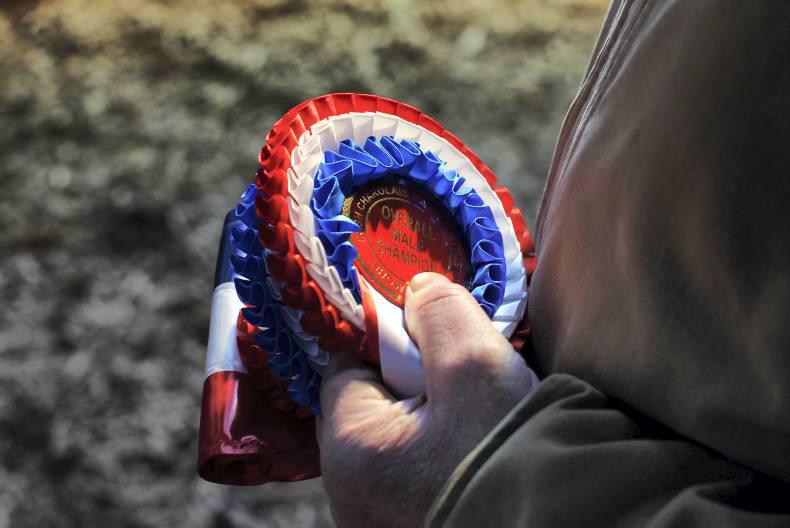
The new regulations aim to encourage internal trade with breeding animals and genetic material, facilitate their import into the EU, and help EU breeders exports to third countries.
Following overwhelming adoption by MEPs this Tuesday, they must now be rubber-stamped by the Council of agriculture ministers before they come into force.
Michel Dantin of the European’s People’s Party said the agreement will improve the “functioning of the internal market in the sale of breeding animals and their genetic material and turns genetic potential of a great number of EU breeds into a real asset for exports”.
As a result of the new rules, breeding-related controls will be strengthened, particularly for imported animals and their germinal products to ensure their compliance with EU standards.
Existing rules on the registration and classification of purebred breeding animals in herd-books, flock-books and studbooks will be harmonised.
Specificities of each area
Breed societies will have to meet specific criteria to obtain recognition from national authorities. How to settle potential disputes and defining the rights of members are specified in the new rules.
The European Parliament has said that special rules will apply to reflect specificities of each area; for example, animals in the horse sector are also used for competition and must comply with standards and eligibility criteria regulated at international level.
Michel Dantin also said that the new rules “take into account functioning and economic realities of EU’s animal breeding sector.”




SHARING OPTIONS