



Women account for over one-third of the agricultural sector’s workforce, however only 13.3% of these workers actually own the farms they work on.
According to the Central Statistics Office (CSO) Farm Structure Survey 2023, the latest data that is available, women make up 34.1% of Ireland’s farming labour force, yet only 13.3% of farm holders are female, representing 17,519 women.
This marks modest progress from 11.9% in 2013, while the west records the highest proportion of female farm holders at 13.9%.
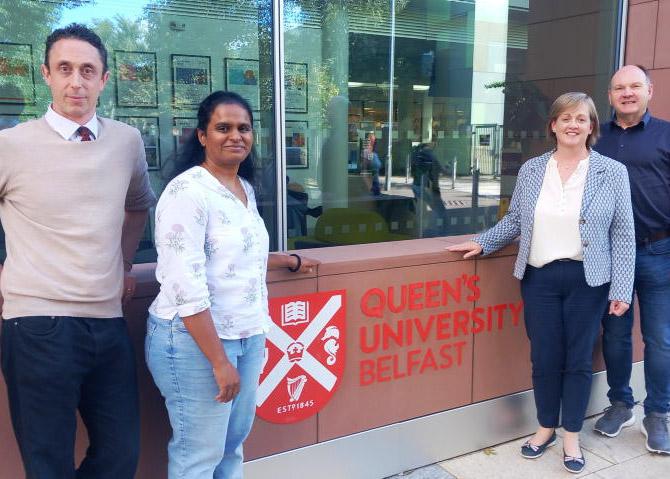
Recent research and official statistics suggest progress is being made, but structural and cultural barriers continue to limit women’s visibility in agriculture. The HER-SELF project, funded by the Department of Agriculture, Food and the Marine and led by Munster Technological University, Maynooth University and Teagasc, provides a deeper understanding of these inequalities.
Drawing on national datasets, focus groups and interviews, it established a baseline of women’s experiences in Irish farming.
Underrepresented
The research found that female farm holders remain underrepresented, accounting for around 13.4% of farm holders, with little change since 1991. Women also carry out 37% of family farm work, much of it unpaid, yet many report feeling they are not recognised as “real” farmers.
The long-standing perception of women as helpers rather than decision-makers remains deeply embedded in farming culture.
Traditional inheritance practices continue to reinforce these inequalities. The “son as heir” mindset persists in many families, while daughters often receive fewer opportunities to develop practical farming skills, including machinery training.
Although third-level agricultural science courses are becoming increasingly popular among girls, these gains have not yet translated into equal ownership or leadership opportunities.
Women also face the challenge of balancing farm work with off-farm employment and caring responsibilities.
Achieving greater equality will require recognising women’s contributions, improving access to ownership and decision-making, and challenging the cultural norms that have historically limited their place in Irish farming, the report found.



SHARING OPTIONS