



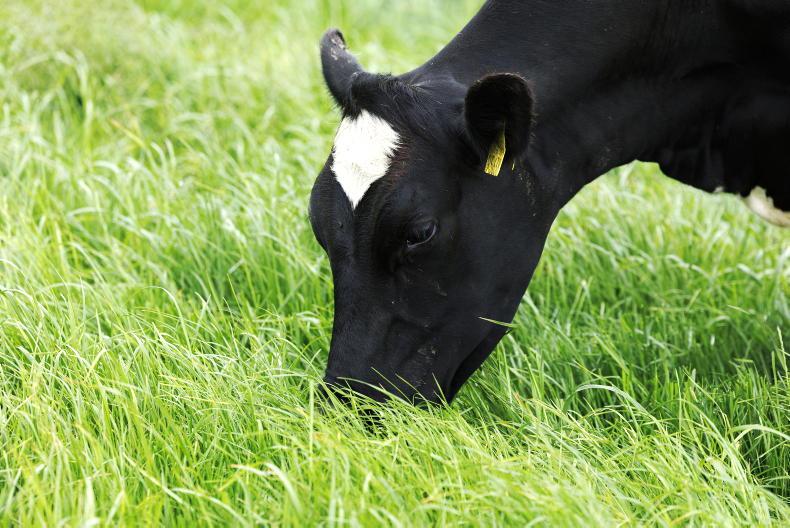
Had you told me in August I’d write about too much grass by October, I’d have sent you for a lie-down.
By late summer, many farms in the south-east were already into winter silage.
Fodder stretchers like soya hulls and palm kernel, plus plenty of meal, kept the show on the road.
Then the rain came back, and warm soils full of nitrogen sent growth through the roof.
The grass looks great, but it’s watery, rich in protein and short on fibre.
Cows are loose and milk urea results are high.
Heavy meal in the drought, and now lush grass, both drag rumen pH down.
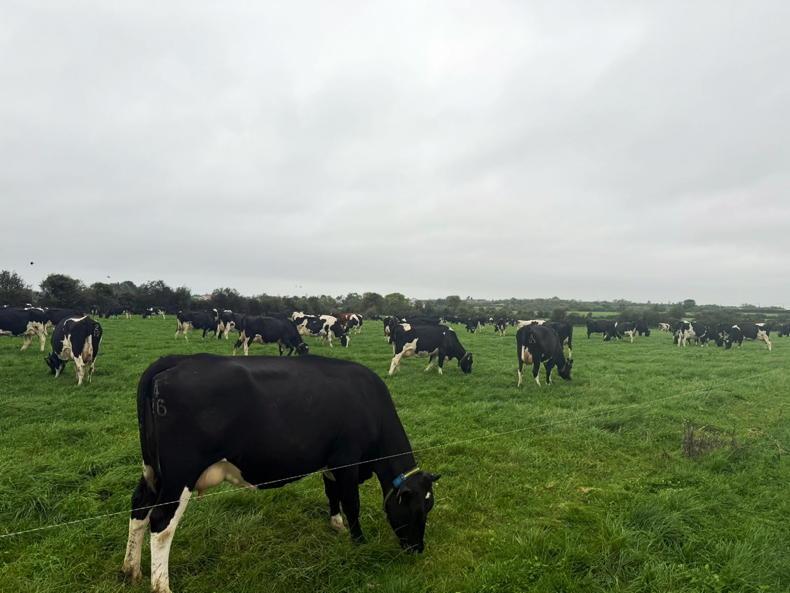
Irish research found low rumen pH in over half the grazing cows sampled, so I’d bet subacute ruminal acidosis (SARA) is on plenty of farms this year.
It’s a quiet one: patchy dung, fewer cows cudding, a dip in butterfat.
But a sour rumen lets toxins into the blood, sparking inflammation and leaving the cow with less in reserve to fight off lameness and infection.
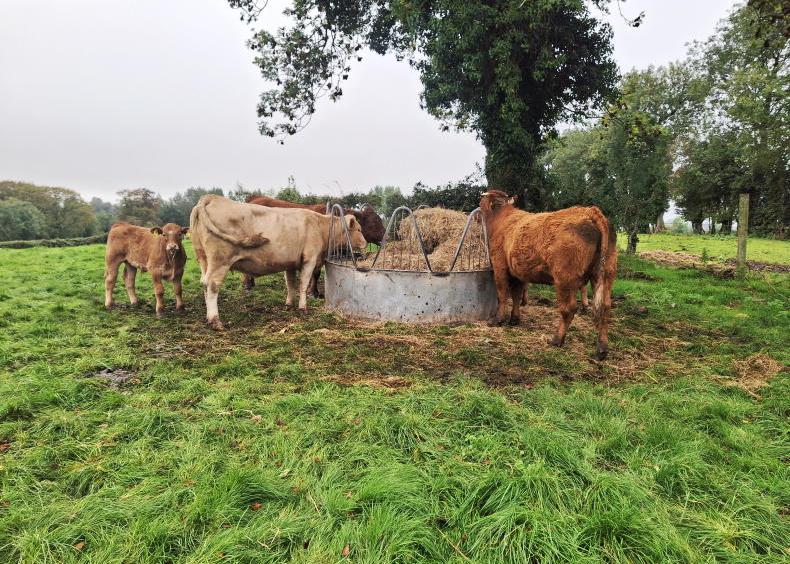
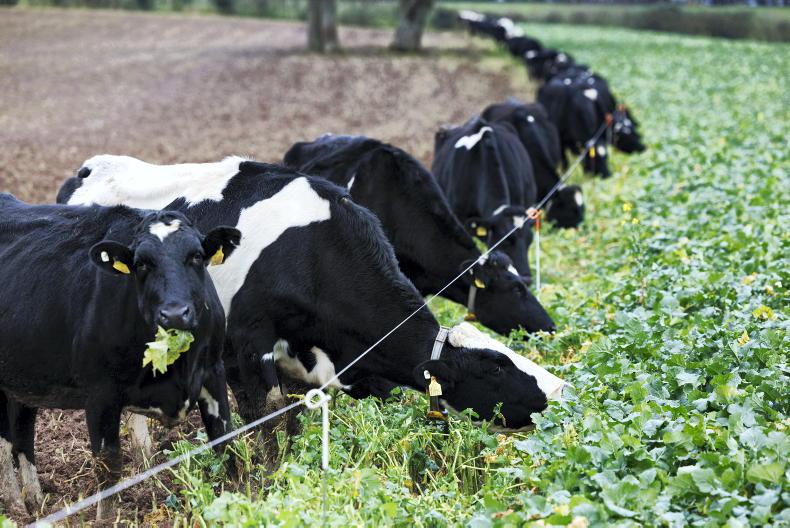
More meal won’t help. Keep straw or silage in front of them and use a 12-hour strip wire so they can’t cherry-pick.
Parasites love this weather too. Lungworm has been busy, even in adult cows, so any coughing is worth a call to your vet.
Stomach worms are also thriving, and a dung sample is the cheapest way to check.
A dose today won’t stop reinfection while it stays warm and wet.
A plan worked out with your vet is worth more this autumn than any single dose.
Joaquim Canotilho, XLVets
Ormonde Veterinary, Kilkenny




SHARING OPTIONS