



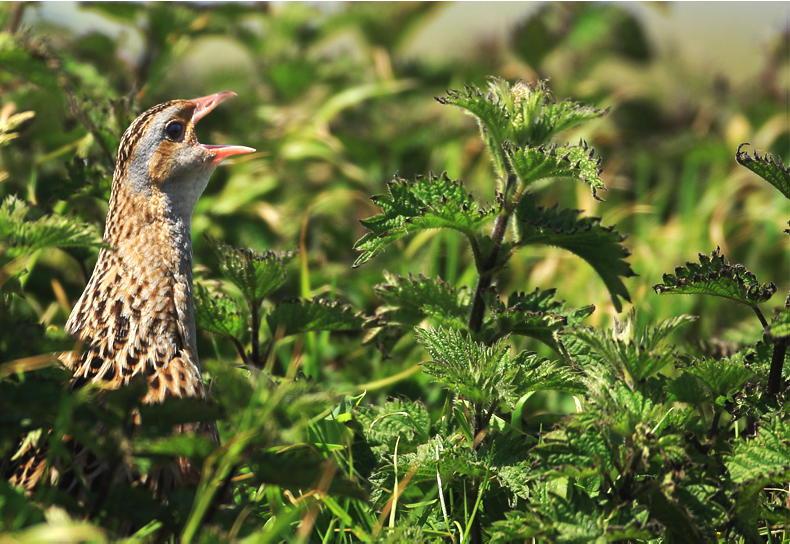
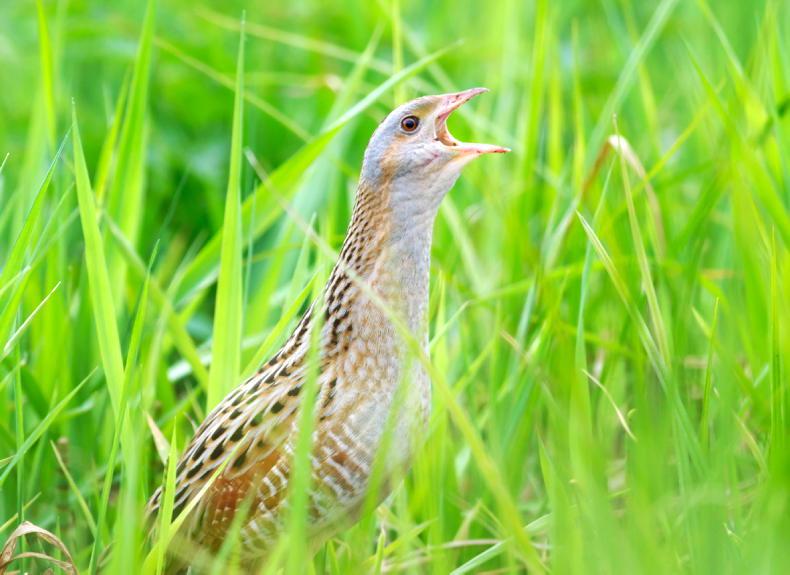
My mother remembers the corncrake as a nuisance. Its relentless, mechanical call echoed through summer nights, keeping her awake. Today, hearing one is a rare privilege, afforded to residents of a handful of peninsulas and islands in the northwest. For the rest of the country, they are gone. They could not survive modern methods of farming.
They are not alone in that. Despite growing awareness, Ireland is losing its fight against biodiversity loss.
For all its perceived complexity, biodiversity (formerly known as nature) is straightforward - different species require different niches. If we simplify fields or landscapes, we lose niches and we lose nature. The most dangerous moment for nature is when land changes hands.
In west Cork over the summer, I was reminded of Aldo Leopold’s words: “One of the penalties of an ecological education is that one lives alone in a world of wounds.”
Across the Mizen peninsula for sale signs advertised small plots of land, 21ac here, 15ac there – the last of the small, often marginal, family-held parcels. And hotspots of biodiversity.
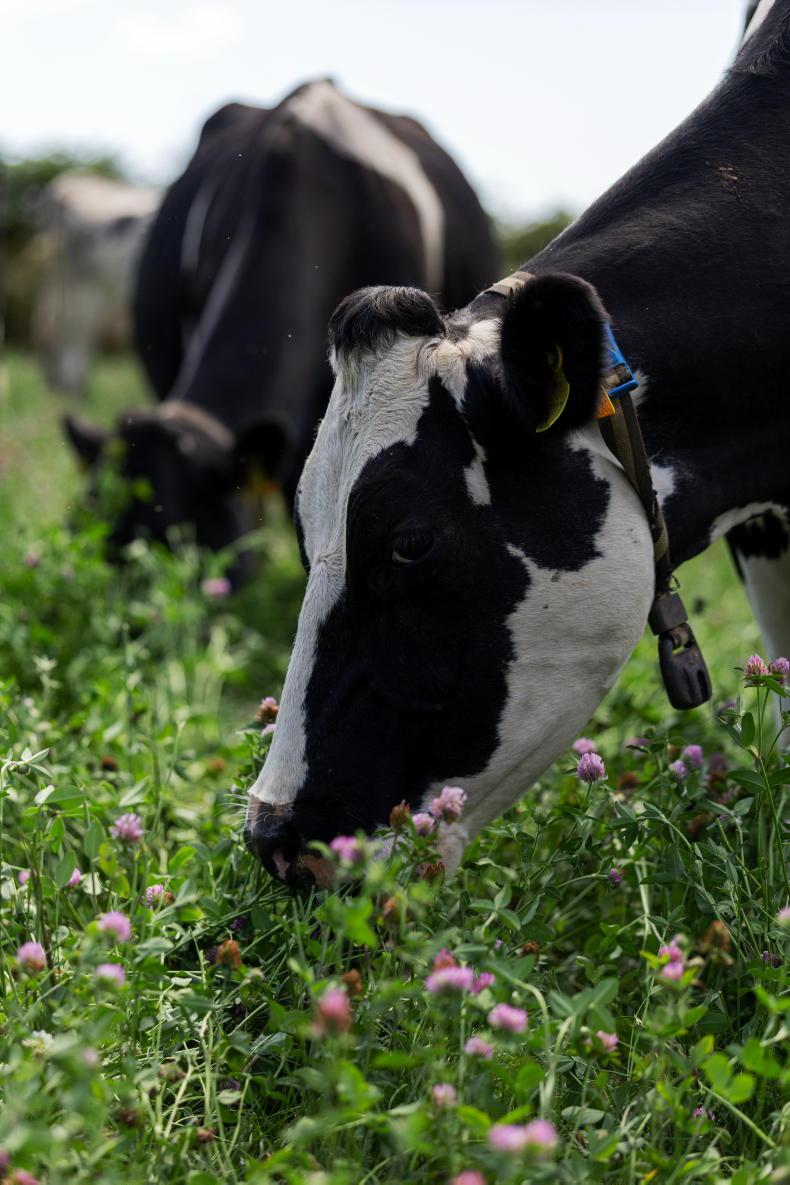
On parcels that had recently changed hands, the reality of biodiversity loss was unfolding – diggers and rock-breakers reshaped terrain, fields levelled, reseeded, sprayed, and cleared. Hedgerows ripped out. Old grasses and wildflowers replaced with ryegrass and clover.
Within farming circles, this is all accepted as normal. Good, even. Dairy farming here affords a precious opportunity to stay on the land, and with the rollback of the nitrates derogation extra land is at a premium. Those who can get their hands on it can justify what follows until the cows come home, saying: “We need the scale, we need the efficiency, we need to survive.”
What I find fascinating though, is our collective acceptance of this loss. Birds like the corncrake and the curlew disappeared from almost every county in Ireland with barely a murmur. No protests, no placards, no rallies in their defence.
This is strange, because in many ways, we are obsessed with the past – farming culture is full of nostalgia.
There are tractor runs and vintage rallies up and down the country. Old Massey Fergusons will draw a crowd at a show, farmyards across the country proudly display threshing mills, horse-drawn ploughs, and other relics of bygone eras. Stories of the meitheal, the days on the bog, the old characters – it’s endless nostalgia really.
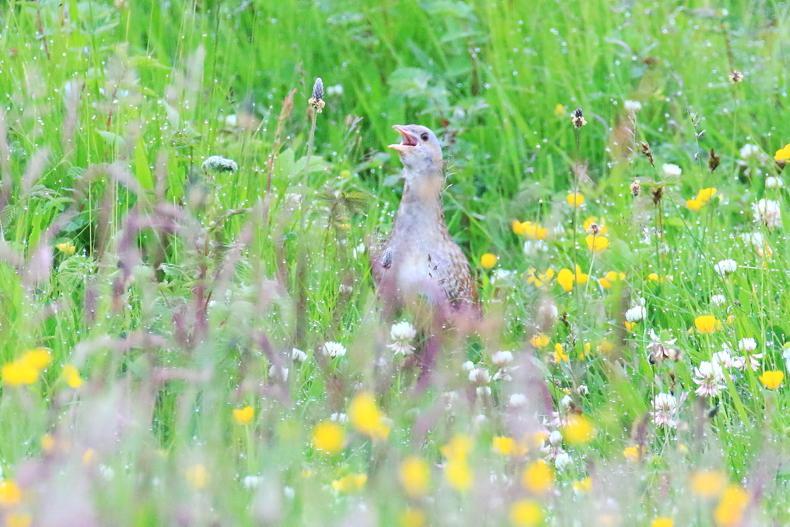
Community statues
But when it comes to nature, lost species might well have never existed. There are no community statues of the curlew, no public rallies for the hen harriers, no local tributes paid for the lost hay meadows of wildflowers. You won’t hear about them down in the pub, or around the mart ring, at least not without significant probing.
And yet when unfamiliar change, like renewable energy appears, rural Ireland can mobilise, and mount dogged resistance, with loss of natural heritage foisted as a central concern. All of a sudden the birds, bees, the fairy forts and whatever else gives some leverage are on the table. In Abbeyknockmoy, Co Galway, a huge row is brewing over a proposed 1,000ac solar farm. Declan Ganley, businessman and former presidential candidate, is leading the charge.
In one sense, I commend these campaigns. Renewable energy has (tragically in my view) adopted the playbook of the fossil fuels industry, lining the pockets of the few, letting the broader communities live with the consequences.
However, while they may be right to protest, the arguments the protestors put forward often don’t hold water.
The land to be converted to solar is a mixture of tillage and livestock.
Let me preface what I’m about to say with this – these are important sectors. Tillage in particular is the bedrock of our ability to feed ourselves, particularly now in an increasingly unstable world.
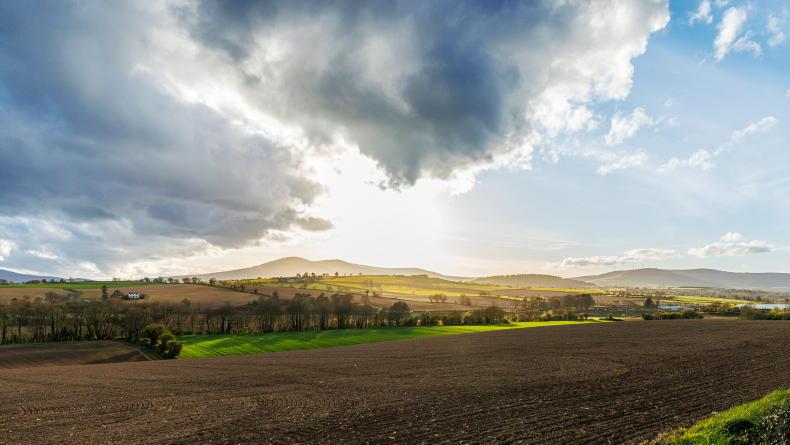
However, while familiar, rolling fields of wheat or ryegrass are radically altered places, every bit the ecological aberration a solar farm is.
But they are our aberrations.
The solar panels? They’re different. They’re new, foreign. They belong to someone else.
They are resisted almost instinctively – but by most measures, they are a less intensive land use than farming. The soil under panels lies undisturbed, wildflowers grow free of chemicals.
Even tillage, seen as a benign land use, requires yearly soil cultivation, along with repeated applications of fertilisers, herbicides, pesticides, and fungicides. This isn’t criticism, but a statement of fact.
I’m not saying one land use is better or worse than the other, more that we find it hard to see them objectively. Our familiarity with pastoral scenes of grazing animals and fields of cereals allows us to overlook their often dire impact on nature.
Better environmental payments are needed for farmers
This familiarity and acceptance means that despite the rhetoric of reform, biodiversity continues to be whittled away. It goes without saying that we need better environmental payments for farmers, we also need effective laws and enforcement to protect it. A depressing reality is that proper regulation is still perceived to be political suicide. No TD wants to be painted as anti-farmer, particularly when livelihoods are at stake.
Cork TDs know that continued habitat loss is happening on their own doorstep, but they daren’t say it publicly. Our politicians are ultimately a reflection of ourselves. If we, the electorate, don’t find it fundamentally unacceptable that we have deprived the next generation of the sound of the curlew, or the corncrake, then we can’t expect our politicians will either. We may not lament nature’s passing, but our kids and grandkids might.
I don’t want to be the one they ask “was it worth it?"
Ray Ó Foghlú is an environmental scientist and woodland conservationist. He is also a farm programmes co-ordinator with the Hometree charity.


SHARING OPTIONS