


The number of farmers eligible for payments of up to €7,000 under the long-awaited agri-environment schemes looks set to be significantly boosted.
The finalised Green Low-Carbon Agri-Enviromental Scheme (GLAS) is set to be officially opened for applications this weekend.
Many of the details of the schemes are as previously set out.
It is believed that the new requirements of GLAS+, a €2,000 top-up to GLAS, will allow a much greater number of farmers with a priority environmental asset, such as the hen harrier, on their land to get paid on increased numbers of hectares under the scheme.
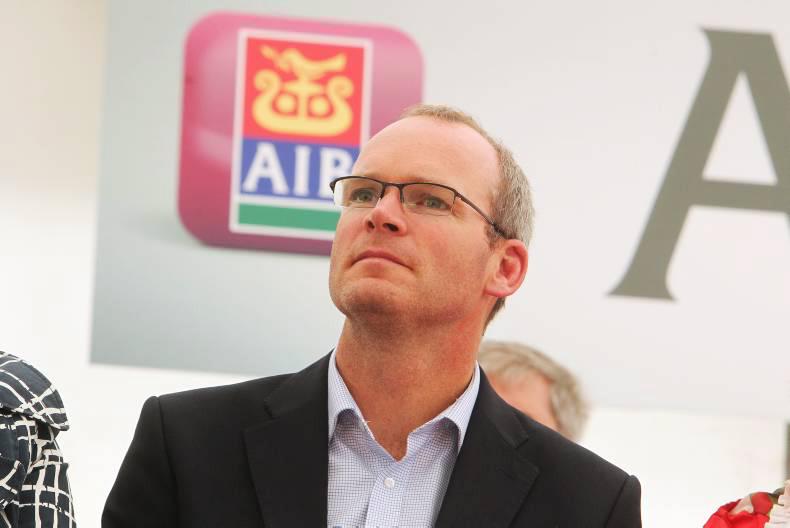
When originally launching the scheme, Minister for Agriculture Simon Coveney set a target of getting 50,000 farmers to enter GLAS with a cap on payments of €5,000.
At the time, the GLAS+ top-up of €2,000 was targeted at only a limited number of farmers who had two priority environmental assets on their land.
Final negotiations with the European Commission are believed to have centred around the cap on hectares farmers were allowed to submit for payment under the scheme. The Commission is believed to have similar issues with the French and Polish environmental schemes.
Once opened, the focus on GLAS will switch to getting 20,000 to 30,000 farmers plans submitted before the 15 May deadline. With just 59 working days until that date, consultants and advisers will be under pressure, with many already refusing to take on new clients.
The Department has said 450-500 advisers have been fully trained to submit GLAS plans and the online system that is set to be opened next week will make it much easier to submit applications.
Minister Coveney is expected to officially open GLAS at the Fine Gael Ard Fhéis on Saturday following a walk on the farm of Mayo IFA chairman Padraic Joyce.
Clawback
With online applications for the National Reserve already flooding in, the Minister has made the decision to apply a clawback rate of 50% to the sale of entitlements without land for the scheme year 2016. In a statement, the Minister said the principal purpose of this is to prevent the speculative abuse of entitlements allocated from the National Reserve.
The decision was made after a single payment advisory group meeting where farming and advisory bodies expressed major concern that there is no retention clause included with the current National Reserve rules. This allowed farmers to receive an allocation of entitlements from the National Reserve and sell them as entitlements the following year.
Ireland previously applied a clawback of 30% on the sale of entitlements without land in 2006. Entitlements clawed back revert to the National Reserve and provide a source of funding for the Reserve which will facilitate the allocation of entitlements to young farmers and new entrants in subsequent scheme years.
Last week, the Department warned that farmers cannot split the holding of owned land they farmed in 2013 to create naked hectares for another farmer to submit to the National Reserve.
It has been clarified this week that farmers are allowed sell land and stack their entitlements if the land sold is not being used to create entitlements under the National Reserve. One more positive development is that the Scottish derogation that will allow farmers who farmed in 2013 but did not own entitlements gain access to the new system. It is believed that around 6,000 farmers could benefit. The final details on that scheme are to be announced by the Minister next week.



SHARING OPTIONS