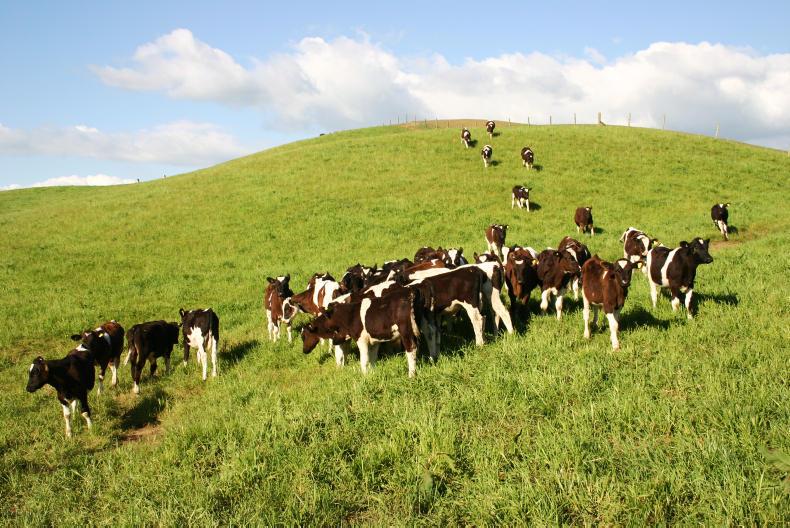
An estimated 75% of the country’s dairy calves produced each year are seen as surplus to requirements and 2.3m are processed as bobby calves each year.
Andrew Jolly, extension manager for New Zealand’s beef and lamb sector, has said farmers need to realise the value of these dairy calves in the beef production sector. After completing a recent study, he says the calves are an opportunity that could be worth in the region of $1bn to the New Zealand market.
Jolly says the rate of surplus calves going into beef production is steadily rising with around 60% of dairy origin calves joining beef or milking herds eventually.
ADVERTISEMENT
Increasing returns
He has outlined five strategies that could possibly increase the returns from surplus calves including:
Increasing the use of beef genetics in dairy herds.
Increasing the use of sexed semen in dairy herds.
Introducing a measurement of beef performance through the supply chain to allow feedback.
Introducing a dairy beef profit partnership which everyone involved could receive returns from.
Educating farmers on the topic and explaining their options to them.
Previous coverage.
The treatment of bobby calves in the country had been highlighted earlier this year, following undercover operations at a series of dairy calves around the country. The harrowing footage showed young calves being thrown around and having their throats slit by slaughterhouse workers.
In light of the undercover footage, the New Zealand government introduced tougher regulations on the treatment of bobby calves including, calves cannot be less than four days old when slaughtered and killing by blunt force trauma is strictly prohibited.
This content is available to digital subscribers and loyalty code users only. Sign in to your account, use the code or subscribe to get unlimited access.
The reader loyalty code gives you full access to the site from when you enter it until the following Wednesday at 9pm. Find your unique code on the back page of Irish Country Living every week.
CODE ACCEPTED
You have full access to the site until next Wednesday at 9pm.
CODE NOT VALID
Please try again or contact support.
An estimated 75% of the country’s dairy calves produced each year are seen as surplus to requirements and 2.3m are processed as bobby calves each year.
Andrew Jolly, extension manager for New Zealand’s beef and lamb sector, has said farmers need to realise the value of these dairy calves in the beef production sector. After completing a recent study, he says the calves are an opportunity that could be worth in the region of $1bn to the New Zealand market.
Jolly says the rate of surplus calves going into beef production is steadily rising with around 60% of dairy origin calves joining beef or milking herds eventually.
Increasing returns
He has outlined five strategies that could possibly increase the returns from surplus calves including:
Increasing the use of beef genetics in dairy herds.
Increasing the use of sexed semen in dairy herds.
Introducing a measurement of beef performance through the supply chain to allow feedback.
Introducing a dairy beef profit partnership which everyone involved could receive returns from.
Educating farmers on the topic and explaining their options to them.
Previous coverage.
The treatment of bobby calves in the country had been highlighted earlier this year, following undercover operations at a series of dairy calves around the country. The harrowing footage showed young calves being thrown around and having their throats slit by slaughterhouse workers.
In light of the undercover footage, the New Zealand government introduced tougher regulations on the treatment of bobby calves including, calves cannot be less than four days old when slaughtered and killing by blunt force trauma is strictly prohibited.
If you would like to speak to a member of our team, please call us on 01-4199525.
Link sent to your email address
We have sent an email to your address. Please click on the link in this email to reset your password. If you can't find it in your inbox, please check your spam folder. If you can't find the email, please call us on 01-4199525.
ENTER YOUR LOYALTY CODE:
The reader loyalty code gives you full access to the site from when you enter it until the following Wednesday at 9pm. Find your unique code on the back page of Irish Country Living every week.






SHARING OPTIONS