Traditionally, 50% of the tillage area farmed in the country was on rented land. In recent years, it’s been fairly well agreed that this has declined to 40%, but it could be lower at this stage. There are no definitive figures available. Land has been lost as rental prices have risen, profits have declined and demand for rented land has increased from dairy farmers and solar farms.
In the past, tillage farmers often had conacre agreements, where land was rented for an 11-month period and the agreement had to be renewed every year. Now most rental agreements are long-term, to avail of tax breaks for the owner.
Looking ahead to 2026, it’s fair to say that the tillage area is expected to decline, as many farmers are unlikely to renew leases that are up for renewal. In the past few years leases have been hard to keep, as demand from dairy farmers in particular has been too strong, in their pursuit to hold onto their cow numbers.
Some landowners want tillage farmers on the ground and are keeping prices where they were, more are looking to increase leases up for renewal, while some go to auction and reach totally unreasonable prices. That said, some tillage farmers have been the winners on those very high leases, which is unbelievable.
Where are tillage incomes?
Tillage incomes have declined dramatically in recent years. In 2022, grain prices reached record levels, as supply concerns due to the war in Ukraine drove up the markets. In that year, the average income on 71ha (175ac) tillage farms was €76,654, according to Teagasc. This was an increase of 23% from 2021 when incomes were at €57,900.
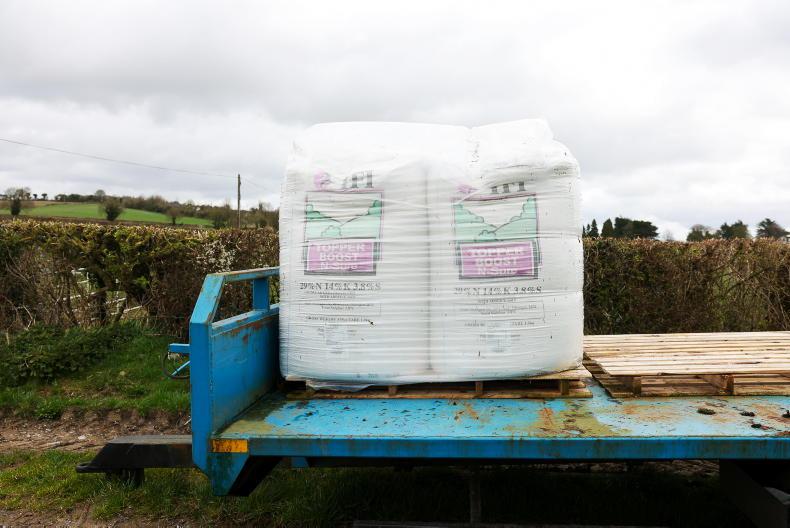
However, the key difference in those years was input costs. If input costs had remained the same, profits on tillage farms would have been much higher. As grain prices increased in 2022, so too did gas, oil, transport and many more inputs. In 2022, input costs increased by 32%. Fertiliser costs rose by 125%, crop protection, seed, fuel and energy costs all increased.
Since then, these costs have declined, but still remain at extremely high levels and so as grain prices fall, the drop in input prices is not keeping up. Farmers also face further costs like the Carbon Border Adjustment Mechanism (CBAM), which could increase the price of fertiliser by more than €50/t this year, but by as much as €300-€500/t by 2034. Fertiliser costs will rise each year until 2034 if CBAM continues as predicted. This increase is much more than the price of land rental on just a tonne of fertiliser – it could put farmers out of business.
To put this in perspective, remember that this tax will only be placed on fertiliser being sold to farmers in the EU. The big grain producers of the world will not have to contend with this tax and will be selling their grain into Ireland and Europe. Back to incomes – in 2023, the income on tillage farms plummeted to €21,399. This increased to about €30,000 in 2024 and is estimated to be about €47,200 in 2025 – it is predicted to fall to €46,900 in 2026.
Some of this income is coming from livestock enterprises on farms. The average income on specialist cereals, oilseed and protein tillage farms without livestock has been estimated at €40,925 in 2024, €46,015 in 2025 and €43,437 in 2026, according to Teagasc.
Where are prices likely to go?
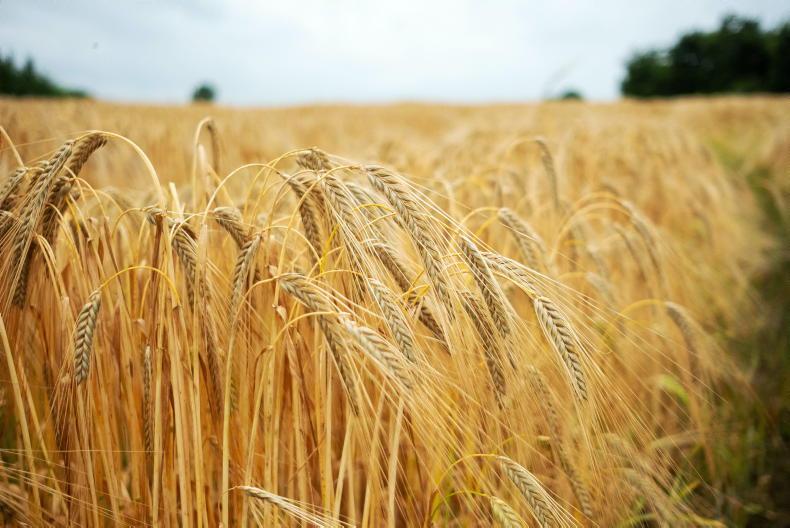
At present, prices are fairly stable, but are not at profitable levels. The harvest price for green feed wheat is at about €190/t and the green feed barley price sits at about €180/t. That’s about €20/t behind 2024 and €5-€10/t behind 2025 levels. Unfortunately, market reports suggest that there is a lot of grain all over the world, meaning there are high supplies and more grain than there is demand at present.
That said, markets can change very quickly. A drought in the growing season or wet weather at planting in a key producing region could impact markets. Premium markets have also been eroded. There is significantly reduced demand for malting barley, mainly due to a decline in demand from distilleries. Malting barley demand is expected to pick up again, but this is unlikely to happen in 2026, according to market reports. Tirlán has also reduced the number of gluten-free oats contracts. These crops offered growers premiums over feed and so will impact profitability on farms.
What crops are the most profitable?
Potatoes, beet and maize are predicted to be among some of the most profitable crops by Teagasc for 2026 (Table 2, available on ifj.ie). This is despite the large investment needed to grow them. However, potato farmers are struggling with sales at present, so this may impact figures. Sales are reported to be down, with some farmers failing to get their target sales out at Christmas time.
Teagasc has predicted total direct costs to increase by about 3% in 2026 on cereal, bean and oilseed farms. The average net margin is predicted to be €235/ha in 2026, but there is a huge range on this. Some farmers are losing money. This figure does not include land rental. So the €235/ha is easily eroded when land rental is added in. Tables 1 and 2 (online) are estimates of 2026 crop costs and returns from Teagasc, which were released in autumn 2025. Farmers will need to make use of as many schemes as possible in 2026 to maximise incomes. However, the protein payment, which is one of the most valuable, may be hard to avail of this year, as merchants are reporting reduced demand for beans from feed mills. Beans have remained in storage from the 2025 harvest. Some farmers are also limited on rotation for beans in 2026 due to pests.
Traditionally, 50% of the tillage area farmed in the country was on rented land. In recent years, it’s been fairly well agreed that this has declined to 40%, but it could be lower at this stage. There are no definitive figures available. Land has been lost as rental prices have risen, profits have declined and demand for rented land has increased from dairy farmers and solar farms.
In the past, tillage farmers often had conacre agreements, where land was rented for an 11-month period and the agreement had to be renewed every year. Now most rental agreements are long-term, to avail of tax breaks for the owner.
Looking ahead to 2026, it’s fair to say that the tillage area is expected to decline, as many farmers are unlikely to renew leases that are up for renewal. In the past few years leases have been hard to keep, as demand from dairy farmers in particular has been too strong, in their pursuit to hold onto their cow numbers.
Some landowners want tillage farmers on the ground and are keeping prices where they were, more are looking to increase leases up for renewal, while some go to auction and reach totally unreasonable prices. That said, some tillage farmers have been the winners on those very high leases, which is unbelievable.
Where are tillage incomes?
Tillage incomes have declined dramatically in recent years. In 2022, grain prices reached record levels, as supply concerns due to the war in Ukraine drove up the markets. In that year, the average income on 71ha (175ac) tillage farms was €76,654, according to Teagasc. This was an increase of 23% from 2021 when incomes were at €57,900.
However, the key difference in those years was input costs. If input costs had remained the same, profits on tillage farms would have been much higher. As grain prices increased in 2022, so too did gas, oil, transport and many more inputs. In 2022, input costs increased by 32%. Fertiliser costs rose by 125%, crop protection, seed, fuel and energy costs all increased.
Since then, these costs have declined, but still remain at extremely high levels and so as grain prices fall, the drop in input prices is not keeping up. Farmers also face further costs like the Carbon Border Adjustment Mechanism (CBAM), which could increase the price of fertiliser by more than €50/t this year, but by as much as €300-€500/t by 2034. Fertiliser costs will rise each year until 2034 if CBAM continues as predicted. This increase is much more than the price of land rental on just a tonne of fertiliser – it could put farmers out of business.
To put this in perspective, remember that this tax will only be placed on fertiliser being sold to farmers in the EU. The big grain producers of the world will not have to contend with this tax and will be selling their grain into Ireland and Europe. Back to incomes – in 2023, the income on tillage farms plummeted to €21,399. This increased to about €30,000 in 2024 and is estimated to be about €47,200 in 2025 – it is predicted to fall to €46,900 in 2026.
Some of this income is coming from livestock enterprises on farms. The average income on specialist cereals, oilseed and protein tillage farms without livestock has been estimated at €40,925 in 2024, €46,015 in 2025 and €43,437 in 2026, according to Teagasc.
Where are prices likely to go?
At present, prices are fairly stable, but are not at profitable levels. The harvest price for green feed wheat is at about €190/t and the green feed barley price sits at about €180/t. That’s about €20/t behind 2024 and €5-€10/t behind 2025 levels. Unfortunately, market reports suggest that there is a lot of grain all over the world, meaning there are high supplies and more grain than there is demand at present.
That said, markets can change very quickly. A drought in the growing season or wet weather at planting in a key producing region could impact markets. Premium markets have also been eroded. There is significantly reduced demand for malting barley, mainly due to a decline in demand from distilleries. Malting barley demand is expected to pick up again, but this is unlikely to happen in 2026, according to market reports. Tirlán has also reduced the number of gluten-free oats contracts. These crops offered growers premiums over feed and so will impact profitability on farms.
What crops are the most profitable?
Potatoes, beet and maize are predicted to be among some of the most profitable crops by Teagasc for 2026 (Table 2, available on ifj.ie). This is despite the large investment needed to grow them. However, potato farmers are struggling with sales at present, so this may impact figures. Sales are reported to be down, with some farmers failing to get their target sales out at Christmas time.
Teagasc has predicted total direct costs to increase by about 3% in 2026 on cereal, bean and oilseed farms. The average net margin is predicted to be €235/ha in 2026, but there is a huge range on this. Some farmers are losing money. This figure does not include land rental. So the €235/ha is easily eroded when land rental is added in. Tables 1 and 2 (online) are estimates of 2026 crop costs and returns from Teagasc, which were released in autumn 2025. Farmers will need to make use of as many schemes as possible in 2026 to maximise incomes. However, the protein payment, which is one of the most valuable, may be hard to avail of this year, as merchants are reporting reduced demand for beans from feed mills. Beans have remained in storage from the 2025 harvest. Some farmers are also limited on rotation for beans in 2026 due to pests.
SHARING OPTIONS