Use your lights
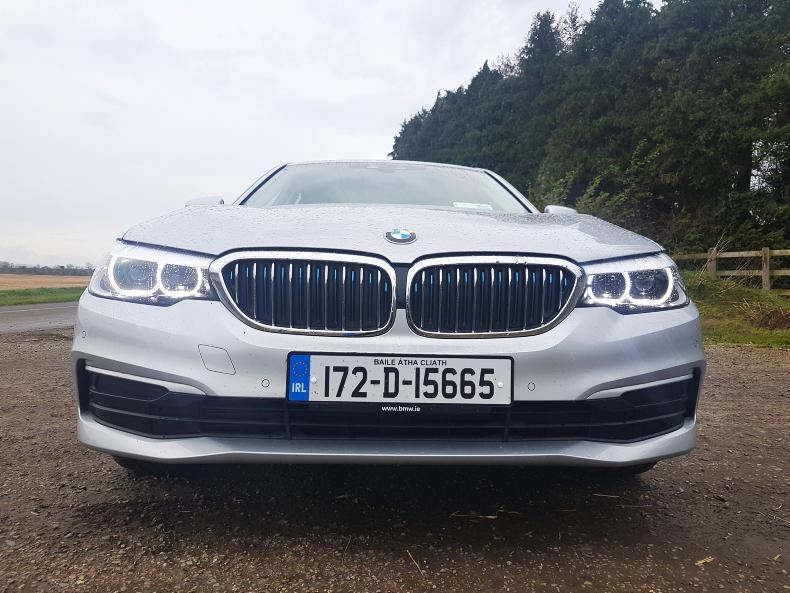
As we come into the winter months, motorists are advised to use dipped headlights during the day so you are easily seen. Headlights and taillights should be clean and in working order. Ensure the beam on your headlights is adjusted correctly to avoid dazzling other drivers unnecessarily.
Only use fog lights in foggy conditions and don’t forget to turn them off after they have been used in fog and mist.
Check your tyres
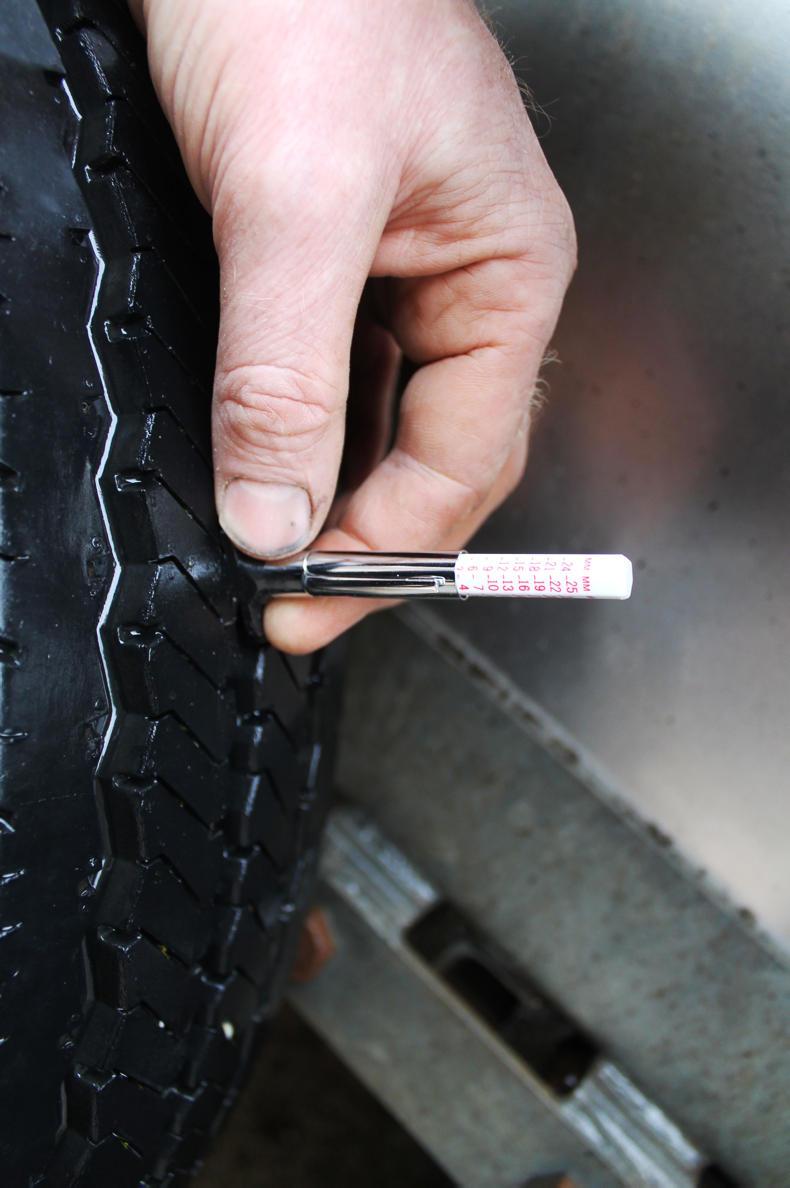
Your tyres are your only contact with the road. Car tyres should be above the minimum legal thread depth of 1.6mm but they need to be changed before they get this worn. The RSA advises replacing tyres when they reach 3mm and don’t buy second hand tyres as you cannot be sure of their history.
The legal limit for motorcycle tyres is 1mm and again should be replaced before they get this worn. Tyres need to be at the manufacturers recommended level to give the motorist the best chance in extreme conditions.
Safe distance
It takes longer to stop a car during the winter weather so slow down and allow extra distance between you and the car in front. Remember, only a fool breaks the two second rule!
Understand your brakes
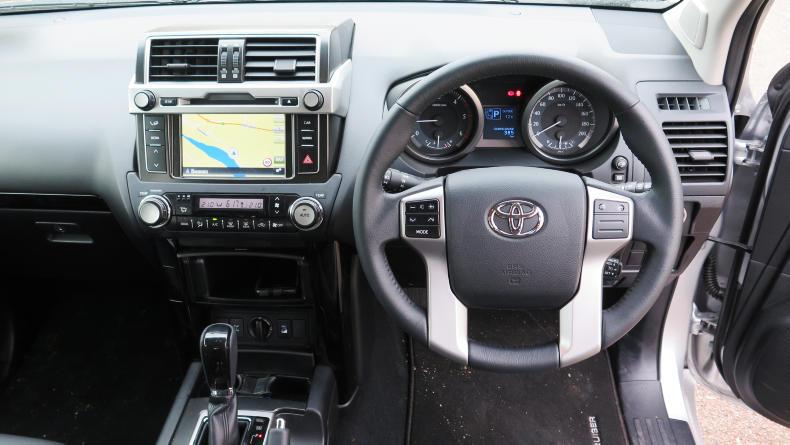
Check your car manual and find out if your vehicle has safety assist technology such as electronic stability control (ESC) or anti-lock braking system (ABS). Learn how these technologies can assist your driving in harsh weather conditions.
Make sure you can clearly see
All too often motorists do not de-fog or de-ice windows and mirrors which can compromise visibility. This winter make sure windows and mirrors are clear, and carry a de-icer and screen scraper in the car. Do not use boiling water as this can crack the windscreen. Wipers are especially important for driving this winter; they need to be checked for wear and tear, and replaced if necessary.
Be prepared
During these winter months it is advised that motorists carry a number of essentials in the boot of their car, should severe weather strike this year.
High visibility vest.Appropriate footwear in case you need to leave your vehicle eg boots.A hazard warning triangle.Spare wheel.Tow Rope.A shovel.De-icing equipment (for glass and door locks).Spare bulbs.First aid kit.A fire extinguisher.A working torch.A car blanket, additional clothing & some food and water.It’s recommend that drivers keep their fuel tanks topped up especially in times of adverse weather conditions. You do not want to run out of fuel on a journey in bad weather.
In the event of a breakdown
Drivers need to ensure their vehicle is well in off the road so as not to obstruct other vehicles. The driver should also put on their hazard warning lights.
If the vehicle breaks down on the motorway pull in as far as you can, alerting traffic behind you with hazard lights. The driver should leave their vehicle, get behind the barrier (on the embankment) and call the Gardaí, on their mobile phone or roadside telephone.
Beware of black ice
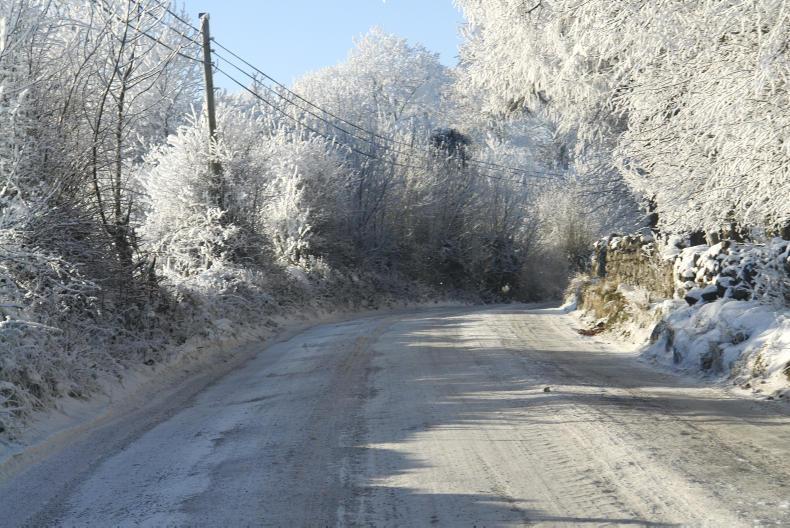
Black ice is one of winter’s biggest hazards as it is difficult to see. Watch out for sheltered/shaded areas on roads, under trees and near high walls.
And most importantly:
Keep up to date. Listen to local weather and traffic reports. Pay heed to the weather warnings alerting drivers of unsafe and dangerous driving conditions.
Use your lights
As we come into the winter months, motorists are advised to use dipped headlights during the day so you are easily seen. Headlights and taillights should be clean and in working order. Ensure the beam on your headlights is adjusted correctly to avoid dazzling other drivers unnecessarily.
Only use fog lights in foggy conditions and don’t forget to turn them off after they have been used in fog and mist.
Check your tyres
Your tyres are your only contact with the road. Car tyres should be above the minimum legal thread depth of 1.6mm but they need to be changed before they get this worn. The RSA advises replacing tyres when they reach 3mm and don’t buy second hand tyres as you cannot be sure of their history.
The legal limit for motorcycle tyres is 1mm and again should be replaced before they get this worn. Tyres need to be at the manufacturers recommended level to give the motorist the best chance in extreme conditions.
Safe distance
It takes longer to stop a car during the winter weather so slow down and allow extra distance between you and the car in front. Remember, only a fool breaks the two second rule!
Understand your brakes
Check your car manual and find out if your vehicle has safety assist technology such as electronic stability control (ESC) or anti-lock braking system (ABS). Learn how these technologies can assist your driving in harsh weather conditions.
Make sure you can clearly see
All too often motorists do not de-fog or de-ice windows and mirrors which can compromise visibility. This winter make sure windows and mirrors are clear, and carry a de-icer and screen scraper in the car. Do not use boiling water as this can crack the windscreen. Wipers are especially important for driving this winter; they need to be checked for wear and tear, and replaced if necessary.
Be prepared
During these winter months it is advised that motorists carry a number of essentials in the boot of their car, should severe weather strike this year.
High visibility vest.Appropriate footwear in case you need to leave your vehicle eg boots.A hazard warning triangle.Spare wheel.Tow Rope.A shovel.De-icing equipment (for glass and door locks).Spare bulbs.First aid kit.A fire extinguisher.A working torch.A car blanket, additional clothing & some food and water.It’s recommend that drivers keep their fuel tanks topped up especially in times of adverse weather conditions. You do not want to run out of fuel on a journey in bad weather.
In the event of a breakdown
Drivers need to ensure their vehicle is well in off the road so as not to obstruct other vehicles. The driver should also put on their hazard warning lights.
If the vehicle breaks down on the motorway pull in as far as you can, alerting traffic behind you with hazard lights. The driver should leave their vehicle, get behind the barrier (on the embankment) and call the Gardaí, on their mobile phone or roadside telephone.
Beware of black ice
Black ice is one of winter’s biggest hazards as it is difficult to see. Watch out for sheltered/shaded areas on roads, under trees and near high walls.
And most importantly:
Keep up to date. Listen to local weather and traffic reports. Pay heed to the weather warnings alerting drivers of unsafe and dangerous driving conditions.







SHARING OPTIONS