Silage eye leads to sore eyes and temporary blindness in sheep. \ Philip Doyle
ADVERTISEMENT
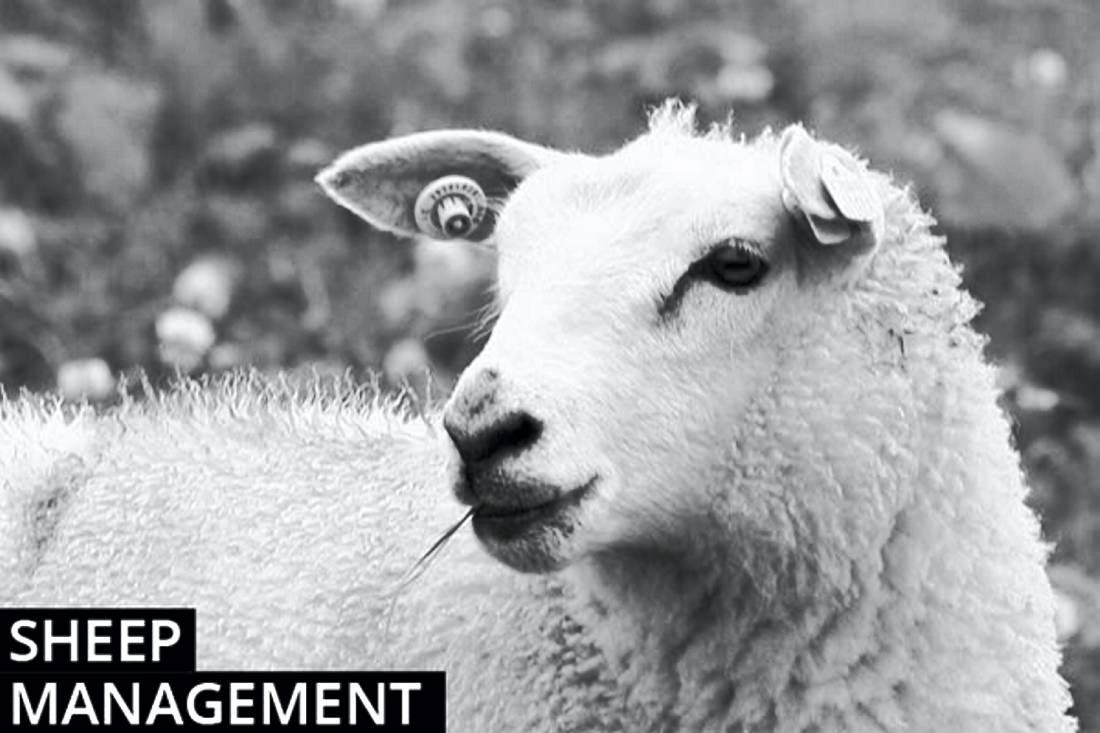
A problem reported in recent weeks is ewes with sore eyes and temporary blindness. The cause is likely to be ocular listeriosis or what is commonly referred to as silage eye due to its common occurrence when sheep are eating silage.
If left untreated, it can lead to long-term blindness
The ailment is generally associated with sheep eating mouldy silage and, in particular, where animals are eating in close contact at a round feeder or burrowing their heads into round bales. It can also spike in cold windy conditions as has been the case in recent weeks.
ADVERTISEMENT
Animals appear with watery eyes that have a cloudy appearance on closer inspection. Eyes are often swollen or closed.
Treatment
Veterinary advice is recommended as if left untreated it can lead to long-term blindness.
Veterinary treatment generally includes administering antibiotic and anti-inflammatory injections into the tissue around the eye, or an eye ointment.
Note that anti-inflammatory injections should not be used without veterinary advice as incorrect administration can lead to abortion in pregnant ewes. As with listeriosis, the disease risk can be reduced by avoiding feeding mouldy forage, cleaning feeders regularly and not letting excessive forage build-up and go stale.
This content is available to digital subscribers and loyalty code users only. Sign in to your account, use the code or subscribe to get unlimited access.
The reader loyalty code gives you full access to the site from when you enter it until the following Wednesday at 9pm. Find your unique code on the back page of Irish Country Living every week.
CODE ACCEPTED
You have full access to the site until next Wednesday at 9pm.
CODE NOT VALID
Please try again or contact support.
A problem reported in recent weeks is ewes with sore eyes and temporary blindness. The cause is likely to be ocular listeriosis or what is commonly referred to as silage eye due to its common occurrence when sheep are eating silage.
If left untreated, it can lead to long-term blindness
The ailment is generally associated with sheep eating mouldy silage and, in particular, where animals are eating in close contact at a round feeder or burrowing their heads into round bales. It can also spike in cold windy conditions as has been the case in recent weeks.
Animals appear with watery eyes that have a cloudy appearance on closer inspection. Eyes are often swollen or closed.
Treatment
Veterinary advice is recommended as if left untreated it can lead to long-term blindness.
Veterinary treatment generally includes administering antibiotic and anti-inflammatory injections into the tissue around the eye, or an eye ointment.
Note that anti-inflammatory injections should not be used without veterinary advice as incorrect administration can lead to abortion in pregnant ewes. As with listeriosis, the disease risk can be reduced by avoiding feeding mouldy forage, cleaning feeders regularly and not letting excessive forage build-up and go stale.
If you would like to speak to a member of our team, please call us on 01-4199525.
Link sent to your email address
We have sent an email to your address. Please click on the link in this email to reset your password. If you can't find it in your inbox, please check your spam folder. If you can't find the email, please call us on 01-4199525.
ENTER YOUR LOYALTY CODE:
The reader loyalty code gives you full access to the site from when you enter it until the following Wednesday at 9pm. Find your unique code on the back page of Irish Country Living every week.







SHARING OPTIONS