Ewe condition: The countdown to breeding is on with mid-season lambing flocks only a matter of weeks away from joining ewes with rams. While the timeline to make significant alterations to ewe condition is too tight, there are still benefits that can be achieved in boosting condition and reproductive performance.
Where ewe lambs are being mated at a later date, then there is an opportunity to delay breeding in younger ewes.
The merits of retaining aged ewes that have failed to regain any level of body condition despite preferential treatment are questionable, given these ewes typically cause the greatest issues down the line. This number should be at a low level in flocks.
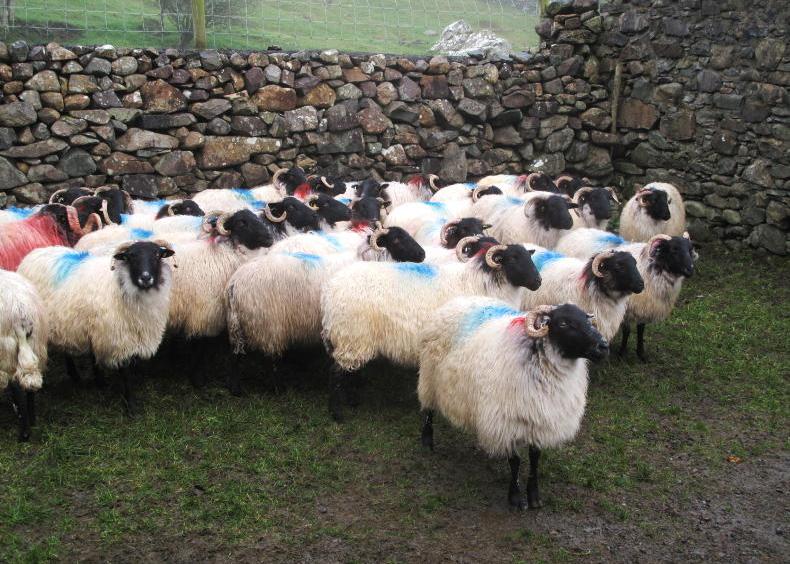
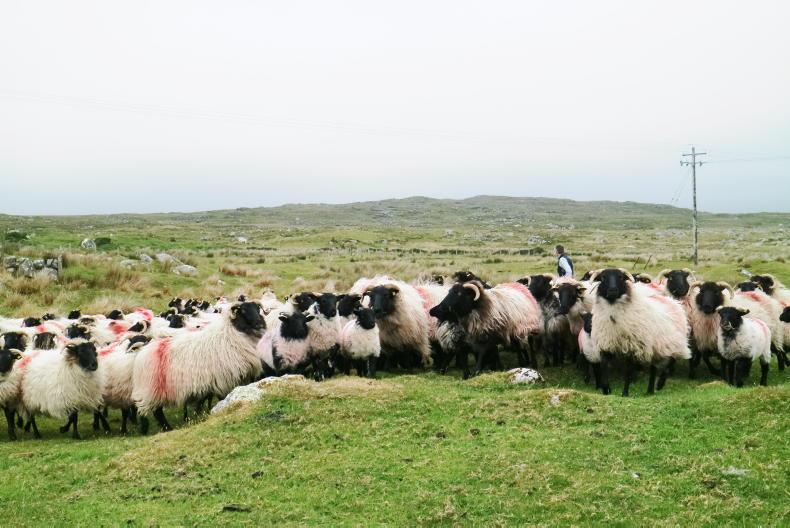
There is more scope to alter ewe condition in later lambing and hill flocks, with reproductive performance in Scottish Blackface ewes influenced to an even greater degree by improvements in body condition and liveweight.
Research shows increasing from BCS 2.0 to 3.0 has the potential to raise the lambing percentage by in the region of 13.5%. The higher lambing percentage is achieved through a combination of an increased litter size and a reduced barren rate.
Teagasc research has outlined weight targets at mating as follows:
Two-tooth hoggets should weigh at least 84% of mature weight at breeding.30-month-old sheep should weigh at least 91% of mature weight at joining.Ewe lambs should weigh at least 61% of mature weight if put to the ram, which in a hill context generally does not occur. Furthermore, having ewes in an optimum BCS of 3.0 to 3.25 will deliver in tightening the lambing spread.
Grass dry matter: Torrential rainfall in many parts of the country in recent weeks has greatly reduced the dry matter content in grass. This is not helping farmers that are experiencing poor slaughter performance and low killouts in lambs.
Where this is an issue then the only real option available for many is to increase the dry matter content in the diet and offer concentrate supplementation.
The levels required to boost performance do not need to be significant – a feeding rate of 0.3kg to 0.5kg will suffice in many situations to lift performance.
There will be merit on some farms in feeding a higher level of concentrates, with ram lambs lacking significant flesh cover the most common culprit. The best response where feeding higher levels at grass is for forward lambs, which will respond better to a shorter intensive feeding period.
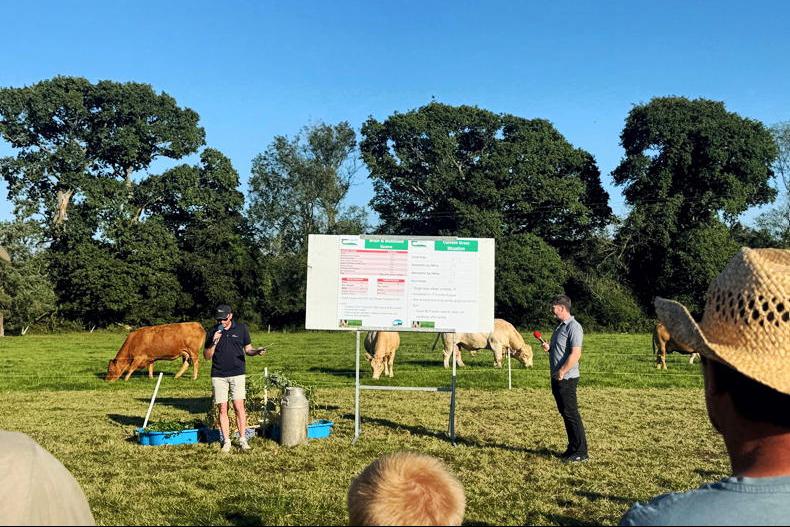
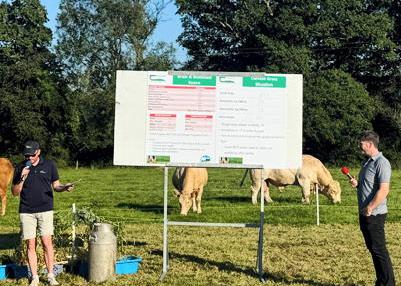
Organic roadshow: A cross-industry roadshow focused on organic livestock farming is to travel to four counties over the coming weeks to provide information to existing and prospective organic farmers.
The ‘Growing prospects for organic livestock’ roadshow is to provide farmers with information on the market demand for organic lamb and beef, sale outlets for organic livestock and the financial performance of organic farms.
Leakage of organic lamb to conventional finishing systems is a big challenge for the industry. The events lineup is as follows:
24 September in the Killeshin Hotel in Portlaoise, Co Laois.1 October in the Shearwater Hotel in Ballinasloe, Co Galway.8 October in the Woodlands House Hotel in Adare, Co Limerick.15 October in the Abbey Hotel in Donegal town, Co Donegal.
Ewe condition: The countdown to breeding is on with mid-season lambing flocks only a matter of weeks away from joining ewes with rams. While the timeline to make significant alterations to ewe condition is too tight, there are still benefits that can be achieved in boosting condition and reproductive performance.
Where ewe lambs are being mated at a later date, then there is an opportunity to delay breeding in younger ewes.
The merits of retaining aged ewes that have failed to regain any level of body condition despite preferential treatment are questionable, given these ewes typically cause the greatest issues down the line. This number should be at a low level in flocks.
There is more scope to alter ewe condition in later lambing and hill flocks, with reproductive performance in Scottish Blackface ewes influenced to an even greater degree by improvements in body condition and liveweight.
Research shows increasing from BCS 2.0 to 3.0 has the potential to raise the lambing percentage by in the region of 13.5%. The higher lambing percentage is achieved through a combination of an increased litter size and a reduced barren rate.
Teagasc research has outlined weight targets at mating as follows:
Two-tooth hoggets should weigh at least 84% of mature weight at breeding.30-month-old sheep should weigh at least 91% of mature weight at joining.Ewe lambs should weigh at least 61% of mature weight if put to the ram, which in a hill context generally does not occur. Furthermore, having ewes in an optimum BCS of 3.0 to 3.25 will deliver in tightening the lambing spread.
Grass dry matter: Torrential rainfall in many parts of the country in recent weeks has greatly reduced the dry matter content in grass. This is not helping farmers that are experiencing poor slaughter performance and low killouts in lambs.
Where this is an issue then the only real option available for many is to increase the dry matter content in the diet and offer concentrate supplementation.
The levels required to boost performance do not need to be significant – a feeding rate of 0.3kg to 0.5kg will suffice in many situations to lift performance.
There will be merit on some farms in feeding a higher level of concentrates, with ram lambs lacking significant flesh cover the most common culprit. The best response where feeding higher levels at grass is for forward lambs, which will respond better to a shorter intensive feeding period.
Organic roadshow: A cross-industry roadshow focused on organic livestock farming is to travel to four counties over the coming weeks to provide information to existing and prospective organic farmers.
The ‘Growing prospects for organic livestock’ roadshow is to provide farmers with information on the market demand for organic lamb and beef, sale outlets for organic livestock and the financial performance of organic farms.
Leakage of organic lamb to conventional finishing systems is a big challenge for the industry. The events lineup is as follows:
24 September in the Killeshin Hotel in Portlaoise, Co Laois.1 October in the Shearwater Hotel in Ballinasloe, Co Galway.8 October in the Woodlands House Hotel in Adare, Co Limerick.15 October in the Abbey Hotel in Donegal town, Co Donegal.
SHARING OPTIONS