Mid-season lambing flocks have, for the most part, completed scanning and have taken management decisions regarding the litter size. Trepidation sets in until the final scanning results are heard, with farmers hoping for a high scanning percentage for the most part (too high a percentage can cause headaches for hill flocks with minimal access to green land).
However, the higher the lambing percentage, the higher the risk of metabolic diseases, with one prevalent disease being twin lamb disease – and the possibility of this being exacerbated with recent wet weather and poor grazing conditions.
Twin lamb disease
Pregnancy toxaemia – or what is commonly known as twin lamb disease – is a relatively common ailment of ewes during late pregnancy. It is a metabolic condition that occurs when the nutritional demands of the lamb(s) in the womb and ewe maintenance requirements exceed the dietary intake of energy by the ewe.
As can be expected, it is more common in ewes carrying multiple lambs due to the higher nutritional demands, with the highest risk in the final three to four weeks of gestation. It’s a double-edged sword; as the lambs increase in size so to does their nutritional demands, while the increased lamb size decreases the rumen capacity, limiting the food intake.
In an effort to supply the nutritional requirements of the lambs in the face of inadequate energy intake, the ewe mobilises fat reserves. The fat is broken down to ketones, which in turn has negative effects. A characteristic sign is a sweet smell off the breath of a ewe which is affected. Advanced cases have a poor prognosis of recovery, which reinforces the importance of correct diet formulation in late pregnancy.
Causes
The prevalence of pregnancy toxaemia within a flock can be increased by several external factors. Ewes offered poor-quality forage are at greater risk due to lower energy intake, while wet silage can also be a predisposing factor, as the higher water content reduces the energy density of the feed.
Health issues are also a common contributor. Parasitic infestations (worms, liver fluke or rumen fluke) reduce the availability of nutrients in the diet, while lameness and a poor mouth can impair intake.
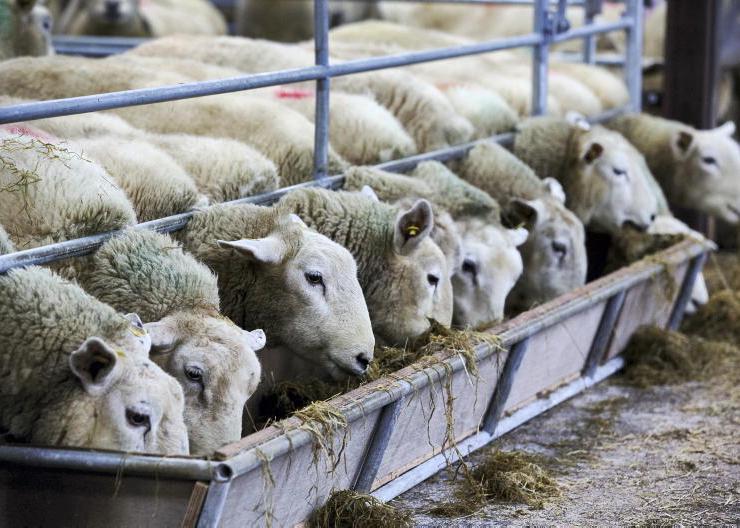
Feed intake can also be compromised by a lack of sufficient feed space, with this being particularly prevalent as ewe size increases in late pregnancy.

Scanning ewes to identify multiple lambs and batching and feeding ewes accordingly will go a long way to preventing twin lamb disease. \ Philip Doyle
Most people link twin lamb disease with thin ewes, but it can commonly occur in over-conditioned ewes (BCS of >4) that have diminished appetites with their fat reserves more easily mobilised, again making them more susceptible to the condition.
Treatment
The principal treatment route is the oral administration of glycerol or propylene glycol two to three times per day.
In more severe cases, intravenous dextrose or glucose may be administered, but the prognosis in such cases is generally poor. In late-pregnancy, ewes may be induced to lamb to reduce the metabolic demands on the ewe.
Prevention
The prognosis of ewes that obtain twin lamb disease is poor, so the adage ‘prevention is better than cure’ rings true here.
Nutritional management is the key step to preventing/reducing pregnancy toxaemia in your flock. Ewes should ideally have a condition score of three (2.5 plus for hill ewes) coming up to lambing and this should be assessed at breeding and again at mid-pregnancy to ensure the body condition targets are achieved.
Pregnancy scanning is central to feeding ewes accordingly and, as mentioned above, management factors and trough space in particular can have a big influence on outcomes.
Litter size alone should not dictate feeding regime, with many farmers successfully feeding thinner twin ewes alongside triplets, while thinner single-bearing ewes (though not commonly affected by twin lamb disease) can be housed and fed alongside twin-bearing ewes.
A strict culling programme will aid in preventing high occurrences of twin lamb disease. Older ewes with poor mouths and persistent lameness issues, leading to a reduced capacity to consume forage, should be earmarked for culling.
Hypocalcaemia (low blood calcium) and hypomagnesaemia (low blood magnesium) may be concurrent to twin lamb disease and therefore it is important to ensure that the diet is adequately balanced with minerals or vitamins.
Concentrates will generally have an inclusion rate of 5% minerals though this can also be supplemented by boluses, drenches or licks.
Mid-season lambing flocks have, for the most part, completed scanning and have taken management decisions regarding the litter size. Trepidation sets in until the final scanning results are heard, with farmers hoping for a high scanning percentage for the most part (too high a percentage can cause headaches for hill flocks with minimal access to green land).
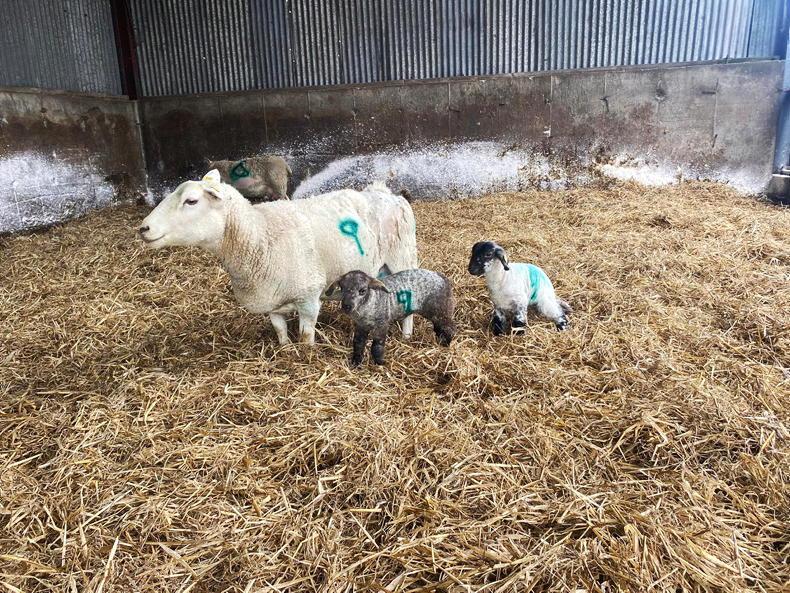
However, the higher the lambing percentage, the higher the risk of metabolic diseases, with one prevalent disease being twin lamb disease – and the possibility of this being exacerbated with recent wet weather and poor grazing conditions.
Twin lamb disease
Pregnancy toxaemia – or what is commonly known as twin lamb disease – is a relatively common ailment of ewes during late pregnancy. It is a metabolic condition that occurs when the nutritional demands of the lamb(s) in the womb and ewe maintenance requirements exceed the dietary intake of energy by the ewe.
As can be expected, it is more common in ewes carrying multiple lambs due to the higher nutritional demands, with the highest risk in the final three to four weeks of gestation. It’s a double-edged sword; as the lambs increase in size so to does their nutritional demands, while the increased lamb size decreases the rumen capacity, limiting the food intake.
In an effort to supply the nutritional requirements of the lambs in the face of inadequate energy intake, the ewe mobilises fat reserves. The fat is broken down to ketones, which in turn has negative effects. A characteristic sign is a sweet smell off the breath of a ewe which is affected. Advanced cases have a poor prognosis of recovery, which reinforces the importance of correct diet formulation in late pregnancy.
Causes
The prevalence of pregnancy toxaemia within a flock can be increased by several external factors. Ewes offered poor-quality forage are at greater risk due to lower energy intake, while wet silage can also be a predisposing factor, as the higher water content reduces the energy density of the feed.
Health issues are also a common contributor. Parasitic infestations (worms, liver fluke or rumen fluke) reduce the availability of nutrients in the diet, while lameness and a poor mouth can impair intake.
Feed intake can also be compromised by a lack of sufficient feed space, with this being particularly prevalent as ewe size increases in late pregnancy.

Scanning ewes to identify multiple lambs and batching and feeding ewes accordingly will go a long way to preventing twin lamb disease. \ Philip Doyle
Most people link twin lamb disease with thin ewes, but it can commonly occur in over-conditioned ewes (BCS of >4) that have diminished appetites with their fat reserves more easily mobilised, again making them more susceptible to the condition.
Treatment
The principal treatment route is the oral administration of glycerol or propylene glycol two to three times per day.
In more severe cases, intravenous dextrose or glucose may be administered, but the prognosis in such cases is generally poor. In late-pregnancy, ewes may be induced to lamb to reduce the metabolic demands on the ewe.
Prevention
The prognosis of ewes that obtain twin lamb disease is poor, so the adage ‘prevention is better than cure’ rings true here.
Nutritional management is the key step to preventing/reducing pregnancy toxaemia in your flock. Ewes should ideally have a condition score of three (2.5 plus for hill ewes) coming up to lambing and this should be assessed at breeding and again at mid-pregnancy to ensure the body condition targets are achieved.
Pregnancy scanning is central to feeding ewes accordingly and, as mentioned above, management factors and trough space in particular can have a big influence on outcomes.
Litter size alone should not dictate feeding regime, with many farmers successfully feeding thinner twin ewes alongside triplets, while thinner single-bearing ewes (though not commonly affected by twin lamb disease) can be housed and fed alongside twin-bearing ewes.
A strict culling programme will aid in preventing high occurrences of twin lamb disease. Older ewes with poor mouths and persistent lameness issues, leading to a reduced capacity to consume forage, should be earmarked for culling.
Hypocalcaemia (low blood calcium) and hypomagnesaemia (low blood magnesium) may be concurrent to twin lamb disease and therefore it is important to ensure that the diet is adequately balanced with minerals or vitamins.
Concentrates will generally have an inclusion rate of 5% minerals though this can also be supplemented by boluses, drenches or licks.

SHARING OPTIONS