



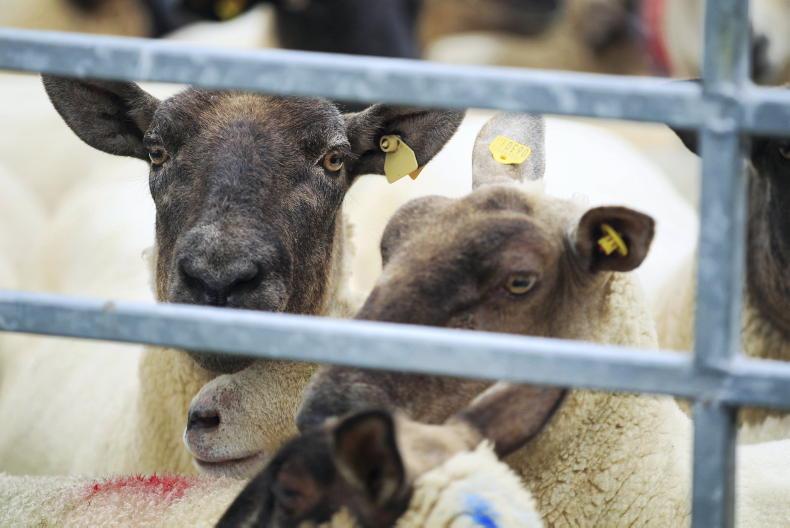
Liver fluke treatment: the Health Products Regulatory Authority or HPRA have released a caution regarding changes to withdrawal periods for oral suspensions for sheep for closantel-containing products.
The regulatory authority explains that it became aware of a limited number of reports where residues of closantel above the maximum residue limit were detected post-slaughter from treated livestock.
It says that at the time it published a notice advising users of closantel-containing products for sheep, and veterinary medicines generally, to ensure administration of the correct dose, avid over-dosing and respect the withdrawal period of the product to be administered. It adds that as an additional measure “to ensure consumer safety and to avoid non-compliant residues, the HPRA has, in recent weeks, agreed with relevant marketing authorisation holders that the withdrawal periods of selected closantel-containing products intended for use in sheep and currently marketed in Ireland be increased from 42 days to 56 days.”
The two products which farmers need to be mindful of are Flukiver 50 mg/ml oral suspension for sheep and lambs and Solantel 50 mg/ml oral suspension for sheep. AFBI in Northern Ireland this week released a warning pointing to a high risk of fluke this autumn and winter. The greatest threat at this stage of the year is from acute fluke, and therefore products should be selected that target at least immature and mature stages of the life cycle.
Shearing lambs: the sheep feature on page 43 discusses feed management where finishing lambs intensively indoors. The merits of shearing lambs and performance benefits are frequently raised. Extensive research in Teagasc Athenry shows no significant benefit from shearing lambs on average daily gain, feed intake, feed conversion efficiency or carcase weight.
The only significant difference found is a 1.2% higher kill out in shorn lambs owing to the difference in fleece weight. Where shearing has substantial benefits is in keeping lambs cleaner, allowing a higher number of sheep to be housed in a given area and where outdoors, reducing the risk of long-wooled fleeces getting caught in briars etc. Where shearing lambs, research has also shown that about three weeks’ wool regrowth is required before slaughter to allow lambs to be re-shorn if necessary pre-slaughter.
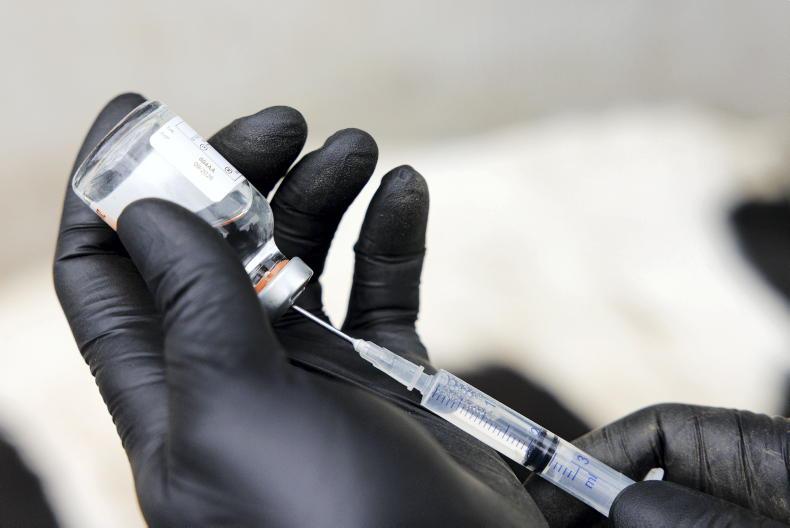
Health treatments: while on the topic of indoor finishing, a sharp change in a lamb’s environment or diet can act as a stressor in triggering an outbreak of clostridial disease or pneumonia. A full course consisting of two vaccinations, administered as per the manufacturers guidelines, is required to develop full immunity and is highly recommended for long keep lambs. A single administration of vaccine will build a level of immunity but only for a short period of time. Decisions will be based on the risk profile and duration of time that lambs are likely to remain on farm.
Lambs suffering from a fluke or worm burden will perform much lower than healthy lambs. Acute fluke is the greatest issue at this stage of the yea, and as such, treatment options are more limited to products with longer withdrawal period. If this is a concern then prompt treatment is important. Following up on the health status of lambs slaughtered will deliver beneficial information. External parasite control should also be considered, especially for lambs being purchased on to the farm.



SHARING OPTIONS