Animal identification is not new. Ever since humans began looking after livestock, there was a need to identify them.
In fact, some believe that counting itself originated from man’s need to count and identify his livestock.
Many historical methods and procedures for tracking and individual identification of animals by means of body markings have been practiced for over 4,000 years.
ADVERTISEMENT
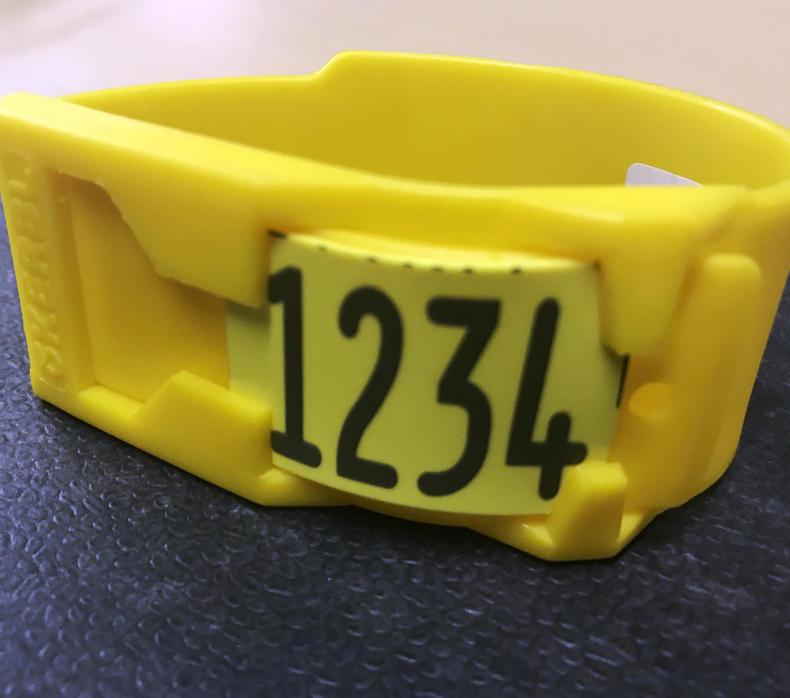
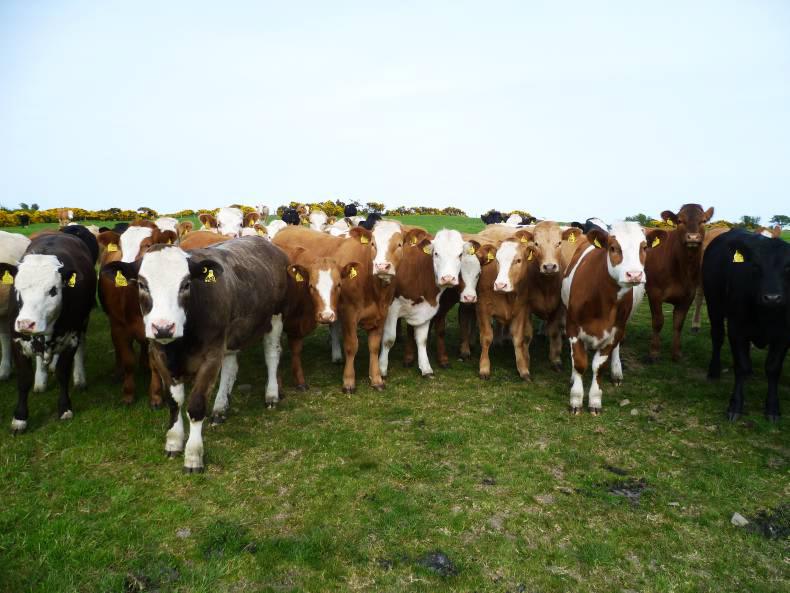
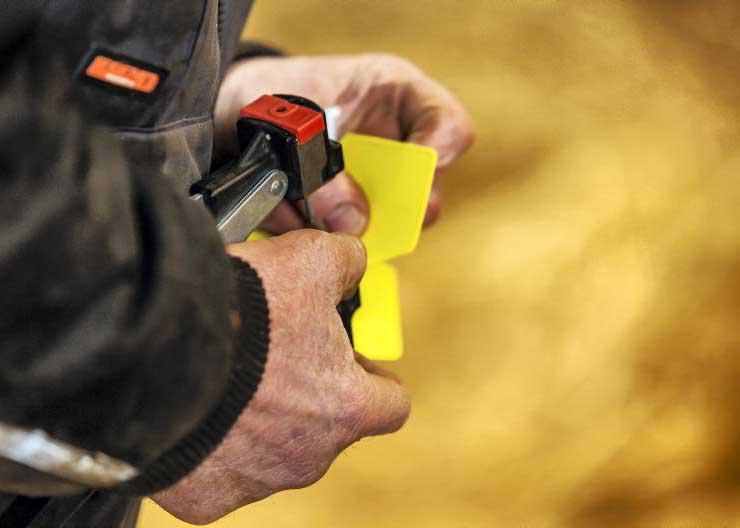
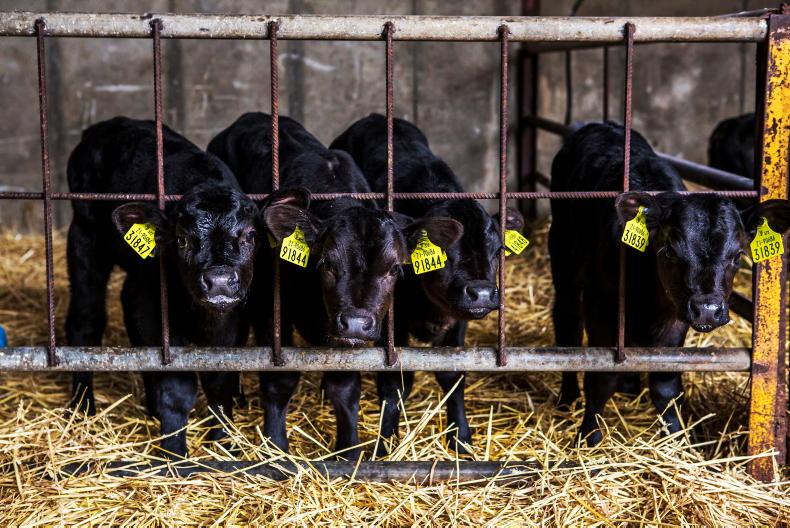
The first official identification systems are documented as far back as the 18th century. Identification systems have evolved from hot branding to ear cuts, tattoos, metal tags and freeze brands to ear tags and, today, electronic ear tags.
In modern times, livestock identification techniques have evolved into two main groups: private management identification is operated by individual farmers for their own needs; official identification, mandated by a government or industry authority.
Private
A proof of ownership and protection against stock theft – even more important in earlier times.
A tool to separate herds into groups with different management constraints (young animals, fatteners, breeding replacement, etc.)
Livestock idenitification is a basis for improved herd management through differentiation of individual performance.
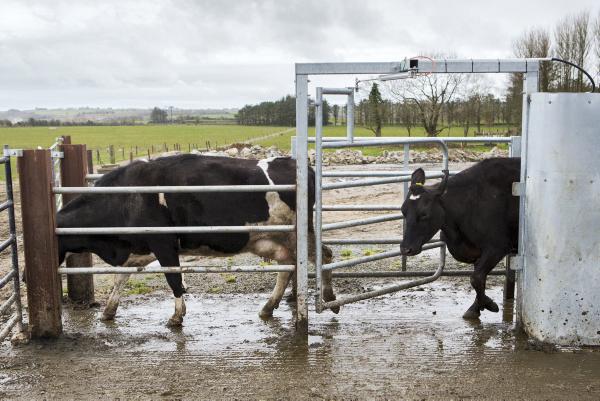
More recently, a way of automating the operation of technical equipment (dairy parlours, automated feeding systems, weighing and drafting systems, etc.)
Official
Animal disease control and eradication (tuberculosis, brucellosis, etc).
Herd Improvement through progressive genetics relying on the collection of precise individual performance and traits data.
High-level pedigree herds monitoring in all top breeds (Angus, Charolais, Holstein, Herefords, etc).
Production and movement control, associated with the control of subsidies in concerned regions.
Control of sanitary crises (BSE, foot and mouth disease, dioxine, plague, etc), and establishing their geographical extent through a precise knowledge of herd locations and movements.
Ensuring the certification of herd based warranties for farmers’ loans.
Consumer confidence in food safety through traceability. This has become more important as increasing numbers of consumers lose connection with farming and food production.
Market access for meat and dairy exporters and for live animals. Rigorous identification is of course, required for movement of livestock and food products through the single EU market.
This content is available to digital subscribers and loyalty code users only. Sign in to your account, use the code or subscribe to get unlimited access.
The reader loyalty code gives you full access to the site from when you enter it until the following Wednesday at 9pm. Find your unique code on the back page of Irish Country Living every week.
CODE ACCEPTED
You have full access to the site until next Wednesday at 9pm.
CODE NOT VALID
Please try again or contact support.
Animal identification is not new. Ever since humans began looking after livestock, there was a need to identify them.
In fact, some believe that counting itself originated from man’s need to count and identify his livestock.
Many historical methods and procedures for tracking and individual identification of animals by means of body markings have been practiced for over 4,000 years.
The first official identification systems are documented as far back as the 18th century. Identification systems have evolved from hot branding to ear cuts, tattoos, metal tags and freeze brands to ear tags and, today, electronic ear tags.
In modern times, livestock identification techniques have evolved into two main groups: private management identification is operated by individual farmers for their own needs; official identification, mandated by a government or industry authority.
Private
A proof of ownership and protection against stock theft – even more important in earlier times.
A tool to separate herds into groups with different management constraints (young animals, fatteners, breeding replacement, etc.)
Livestock idenitification is a basis for improved herd management through differentiation of individual performance.
More recently, a way of automating the operation of technical equipment (dairy parlours, automated feeding systems, weighing and drafting systems, etc.)
Official
Animal disease control and eradication (tuberculosis, brucellosis, etc).
Herd Improvement through progressive genetics relying on the collection of precise individual performance and traits data.
High-level pedigree herds monitoring in all top breeds (Angus, Charolais, Holstein, Herefords, etc).
Production and movement control, associated with the control of subsidies in concerned regions.
Control of sanitary crises (BSE, foot and mouth disease, dioxine, plague, etc), and establishing their geographical extent through a precise knowledge of herd locations and movements.
Ensuring the certification of herd based warranties for farmers’ loans.
Consumer confidence in food safety through traceability. This has become more important as increasing numbers of consumers lose connection with farming and food production.
Market access for meat and dairy exporters and for live animals. Rigorous identification is of course, required for movement of livestock and food products through the single EU market.
If you would like to speak to a member of our team, please call us on 01-4199525.
Link sent to your email address
We have sent an email to your address. Please click on the link in this email to reset your password. If you can't find it in your inbox, please check your spam folder. If you can't find the email, please call us on 01-4199525.
ENTER YOUR LOYALTY CODE:
The reader loyalty code gives you full access to the site from when you enter it until the following Wednesday at 9pm. Find your unique code on the back page of Irish Country Living every week.






SHARING OPTIONS