



Although there are some similarities between the dairy sector in Ireland and that in the Netherlands, there are also differences, a Teagasc Signpost webinar heard on Friday.
Grazed grass plays a role in both systems, although it is far more significant in an Irish context.
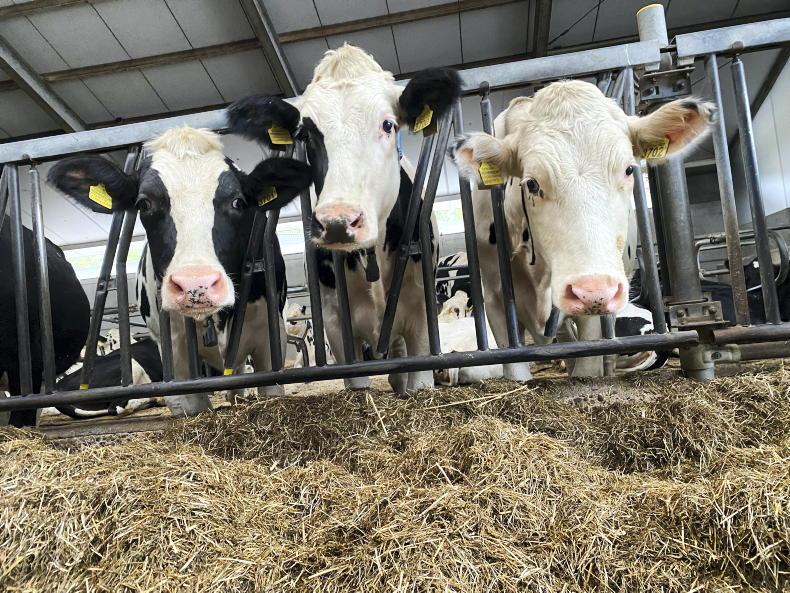
Both country’s national herds comprise a similar number of cows and average herd size, which in Ireland comes in at around 90 cows and the Netherlands at 110. However, the dairy sector in the Netherlands is among the most intensive in the world.
The Netherlands is 40% smaller than Ireland in area terms but its milk output is 66% higher, livestock research at Wageningen University Michel de Haan told attendees.
This equates to the country producing 2.7 times the milk output on an equivalent area basis.
The intensity of the Dutch farming sector also sees a demand for agricultural land unrivalled elsewhere across the EU.
Land sales see grassland averaging between €28,000/ac and €40,000/ac, while land suitable for high-value horticulture is making anywhere up to €80,000/ac in recent times, the researcher said.
Intensive but some grazing
The average dairy herd there is made up of 110 cows over a land area of 66ha, around 20% of which would typically be in maize, de Haan explained.
Systems are high-input, high-output, with around 30% of the diet consisting of concentrates giving 9,000l/cow.
Grazed grass contributes only 12% to average dairy ration, the researcher said, with maize silage, grass silage and byproducts making up the majority.
“And it is a real big diversity. We also have farms in our project that are grazing like the Irish way, grazing out all day,” de Haan added.
Derogation going
The Netherlands is in its last derogation from the nitrates directive and will have its maximum application rate for organic nitrogen put back to 170kg/ha from 2026 onwards.
Application rates will be stepped down from 2023 until 170kg/ha is implemented across the board.
“And that’s a big issue for the Netherlands. We expect some big consequences from that,” the researcher stated.
De Haan included a map in his presentation outlining where strict ammonia emission targets have been set ranging from 12% up to 95% of a reduction for different areas by 2030.
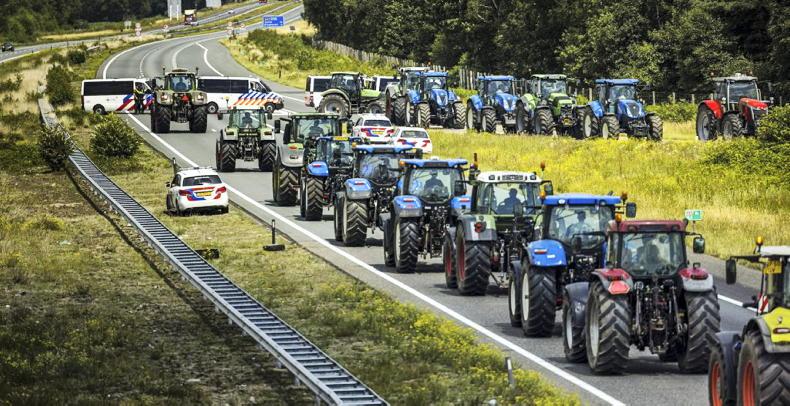
These maps caused widespread protests across the Netherlands when they were sent out to farmers last summer, as many fear stock cuts will be necessary to achieve targets in areas with little activity other than agriculture.
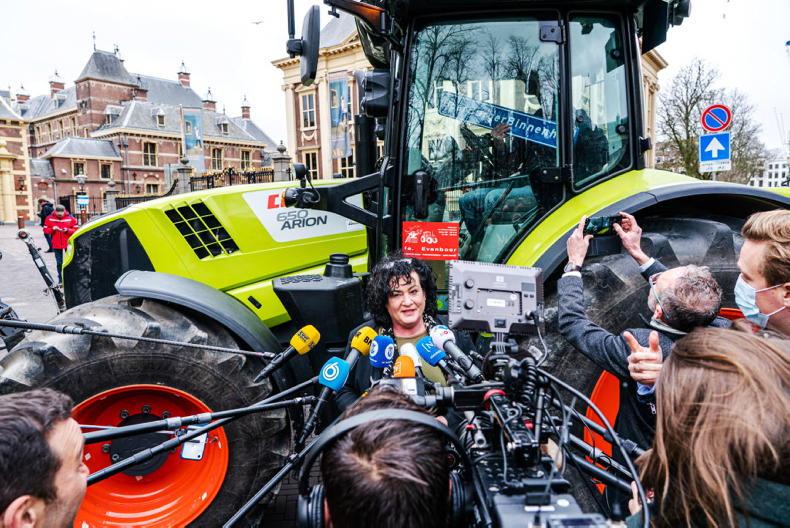
“Meanwhile, another political party was founded – BBB farmer-citizens’ movement - and this party tried to represent the voice of many people who are fed up with the current Government and all the mistakes they are making, according to the people.
“And that’s more than nitrogen and agriculture. It’s about building houses, it’s about refugees, it’s about gas. Well, people are quite fed up.”
Agricultural disagreement
Den Hann went on to explain that the current Government in the Netherlands had tried to come forward with a new policy aligning farming with its environmental goals of ammonia reduction, emissions cuts and greater biodiversity.
He said that the agreement was due by 18 May and another deadline set for 21 June, which has also been missed after the largest farming organisation in the Netherlands – the LTO – walked away from discussions.
“So, there is no agriculture agreement at the moment. This means Government has to come up with an agriculture policy, and it’s due in September. In the end, there is nothing certain in this moment.”


SHARING OPTIONS