



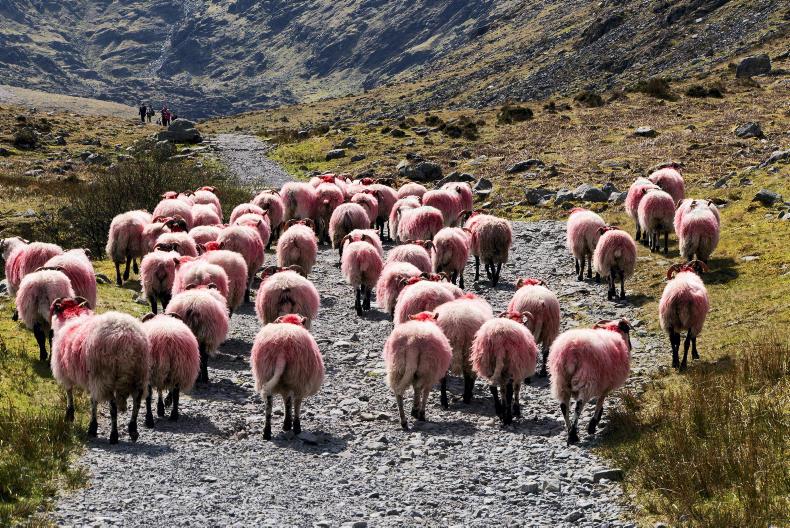
People have to understand that the Macgillycuddy’s Reeks are not a wilderness, but a landscape managed by farmers, said Stuart Stevens, chair of the South Kerry Development Association.
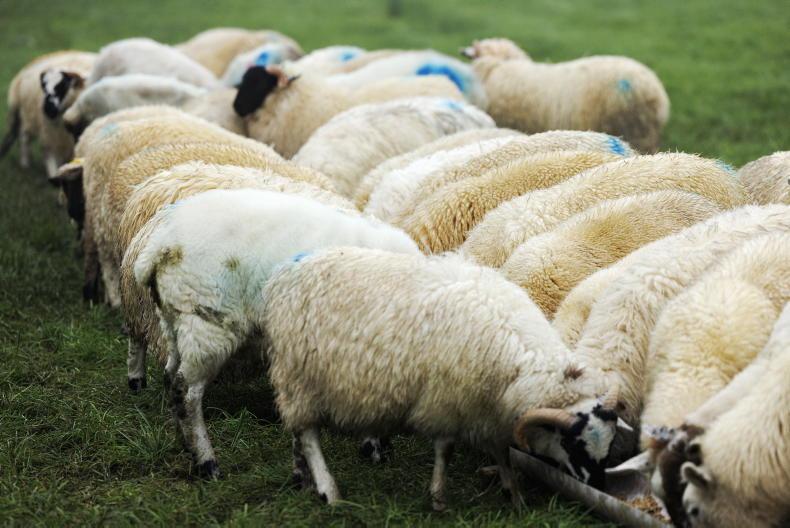
Speaking at the Irish Farmers Journal Farming on the Wild Atlantic Way event in Kerry on Friday, he said that the reason people can access the Reeks is “because of the farmers that are there and because of the sheep they maintain in that landscape”.
“The Macgillycuddy’s Reeks is the most iconic upland area in the country. Four years ago we set up the Macgillycuddy’s Reeks Mountain Access Programme.
“There have been a lot of issues down the years on access between farmers and walkers and a lot of people, I suppose, particularly in relation to the width [of the pathways].
“They don’t understand it’s privately owned, they don’t understand that they’re there at the behest of the farmers and they don’t understand the issues that farmers are facing, some of which are created by the very access that they’re facilitating.
“There are pressures on the Reeks themselves in terms of usage, wearing of paths and so on. This is becoming a big issue,” Stevens said.
125,000 people on the Reeks
In 2017, Stevens said that 125,000 people went up to the Macgillycuddy’s Reeks through the four main access routes alone. Path migration and erosion have emerged as big problems along the routes.
“We [the Mountain Access Programme] were set up to address local issues in relation to mutual respect in terms of those things and we discovered very quickly that because there’s so much goodwill among the various stakeholders, these things can be solved fairly easily.
“It has emerged over the last four years that the fundamental problems are the problems that are common to farming in peripheral areas all over the country and the Reeks just magnify it. It’s more immediate.
“We have honesty boxes on the four access points, we got €2,800 last year. We didn’t have an expectation [of how much money they would gather] but that’s less than 1% of people giving €1,” he said.
Stevens said that he makes the point that if you’re on the golf course you’ll be happy to pay €100 for a round of golf on a great course.
“You won’t get a better environment, you won’t get a better place to recreate than the uplands and people just assume they’re free. It has always been like that,” he said.
For more on Farming on the Wild Atlantic Way, see next week’s Irish Farmers Journal.


SHARING OPTIONS